
Introduction
Keithley equipment always have a special place at xDevs lab, as Model 2001 7½-digit DMM was the first precision instrument acquired by xDevs back in 2007. Keithley Instruments products are famous in low current and sensitive measurements applications and test apparatus.
Lot of their stuff like SourceMeters , current sources, parametric analyzers like Model 4200 are widely used today in both research and production facilities. In last 10 years we repaired many of the older Keithley devices as well. One of such instruments will be covered in this article below. Friend of mine asked if I’d be interested in patching up a broken Model 263 low current source/calibrator. I’ve never had a chance to played with one of these instruments before, and agreed to take a look.
Keithley 263 provide number of functions and capabilities for low-current and high resistance applications:
- Source fixed resistances from 1 kΩ to 100 GΩ in decade steps, with temperature compensation for values over 1 GΩ.
- DC Voltage source from 0 V to ±19.9995 V
- DC Current source from 0 A to ±0.0199995 A
- DC charge source from 0 C to ±19.9995 µC
- Simplified ladder calibration adjustment procedure
Manuals references, firmware dumps and service information
Keithley 263 quick reference guide, 1987
Keithley 263 Specifications datasheet, Revision B, December 2014
Disclaimer
Redistribution and use of this article or any images or files referenced in it, in source and binary forms, with or without modification, are permitted provided that the following conditions are met:
- Redistributions of article must retain the above copyright notice, this list of conditions, link to this page (/fix/kei263/) and the following disclaimer.
- Redistributions of files in binary form must reproduce the above copyright notice, this list of conditions, link to this page (/fix/kei263/), and the following disclaimer in the documentation and/or other materials provided with the distribution, for example Readme file.
All information posted here is hosted just for education purposes and provided AS IS. In no event shall the author, xDevs.com site, or any other 3rd party, including Tektronix/Keithley Instruments be liable for any special, direct, indirect, or consequential damages or any damages whatsoever resulting from loss of use, data or profits, whether in an action of contract, negligence or other tortuous action, arising out of or in connection with the use or performance of information published here.
If you willing to contribute or add your experience regarding instruments repairs or provide extra information, you can do so following these simple instructions.
Certain commercial equipment, instruments, or materials are identified in this article to foster better understanding. Such identification does not imply recommendation or endorsement by the author or/and xDevs.com, nor does it imply that the materials or equipment identified are necessarily the best available for the purpose. Devices and components were not screened or conditioned prior to use in the electronic assembly or repair, unless explicitly stated otherwise.
Exterior and functionality of Model 263
Model 263 is old brown-era generation instrument in the glorious 1980’s Keithley days. Back then instruments were designed with analog functionality and performance over form.

The interface might not be as fancy and fluent to use as with newer modern instrument. But controls and display are simple to use and intuitive even without reading the manual first.
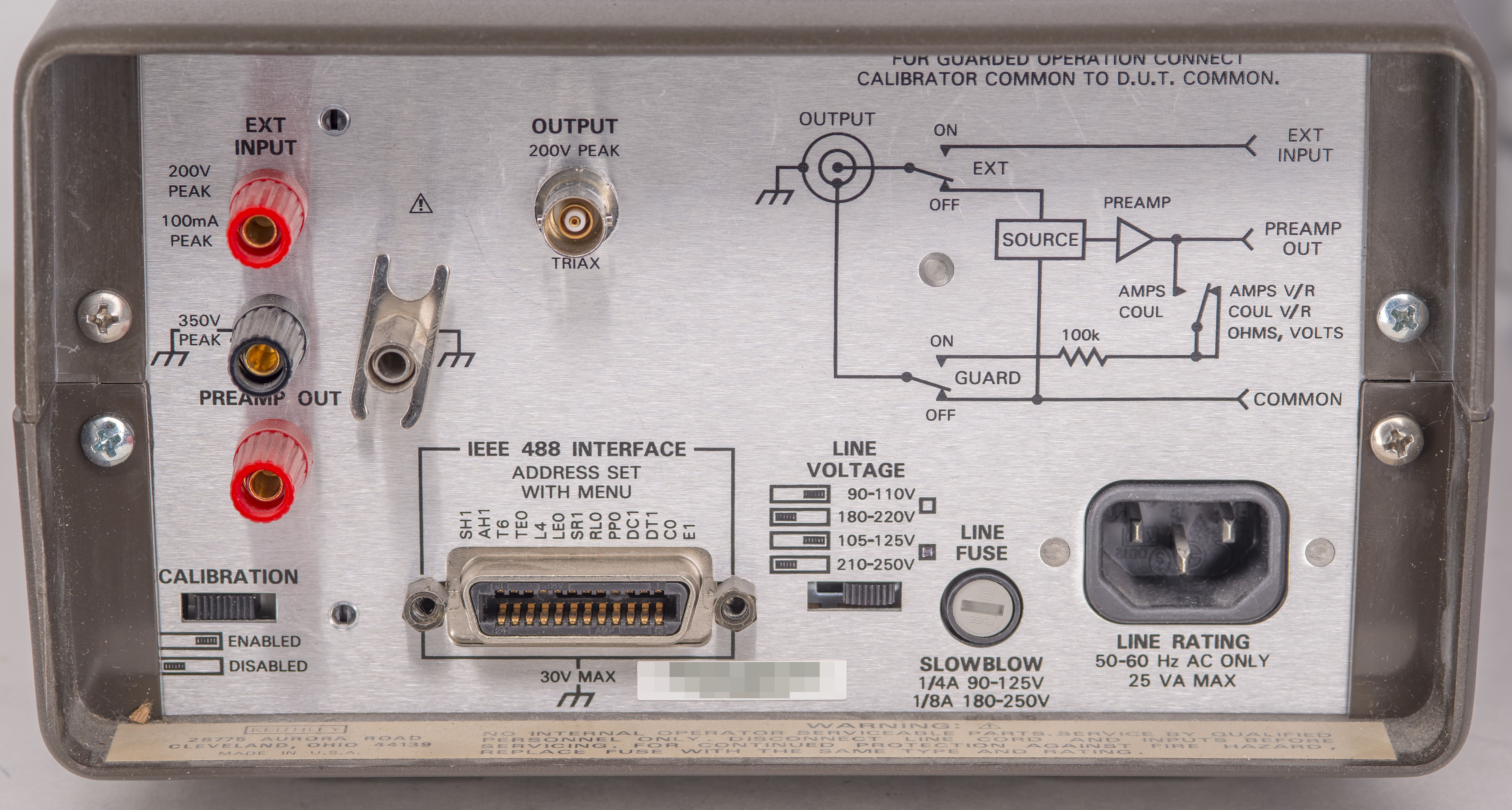
Calibrator/source has triaxial interface but with obsolete now 2-lug type receptacle. 263 has internal voltage source for level up to ±19.9995 V DC but accepts external voltage source up to ±200 V peak with 100 mA maximum compliance. On the back we can also find common IEEE-488 GPIB interface port, AC mains voltage selector switch, calibration lock-down switch and transimpedance preamplifier analog output for external plotter/digitizer. Both LO and chassis ground are available for various interconnect options.
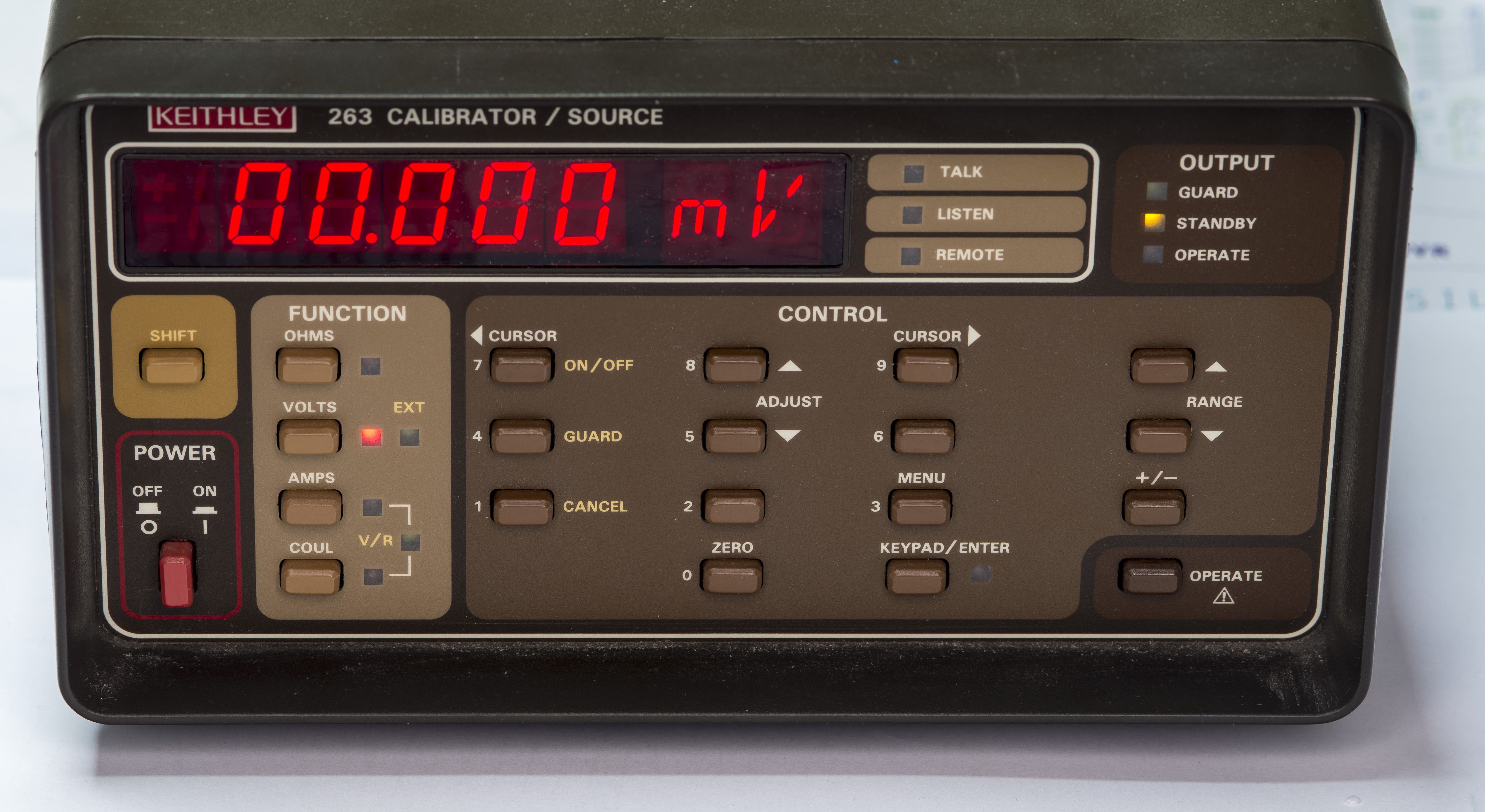
When powered up front interface lights up with bring large 5½-digit LED screen with additional indicators for GUARD, STANDBY/OPERATE indicator. Instrument takes about 8 W so it does not require active cooling or large went holes to get all the dust in.
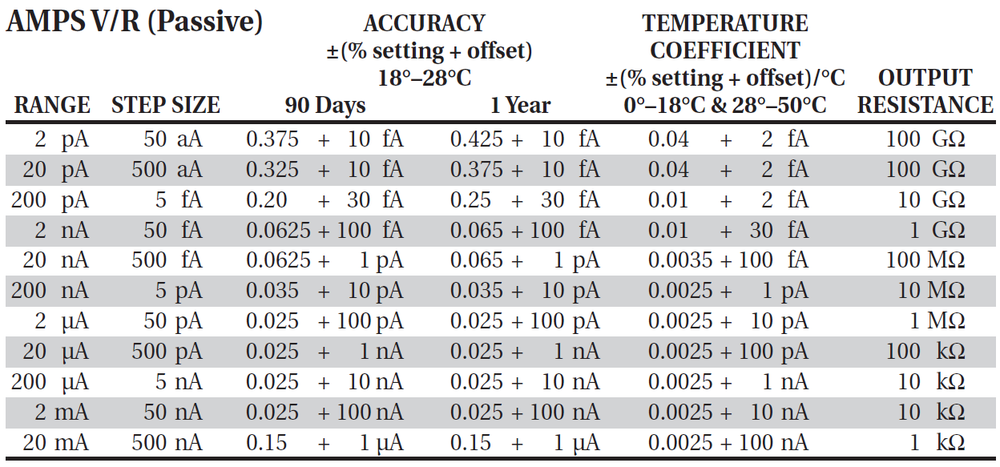
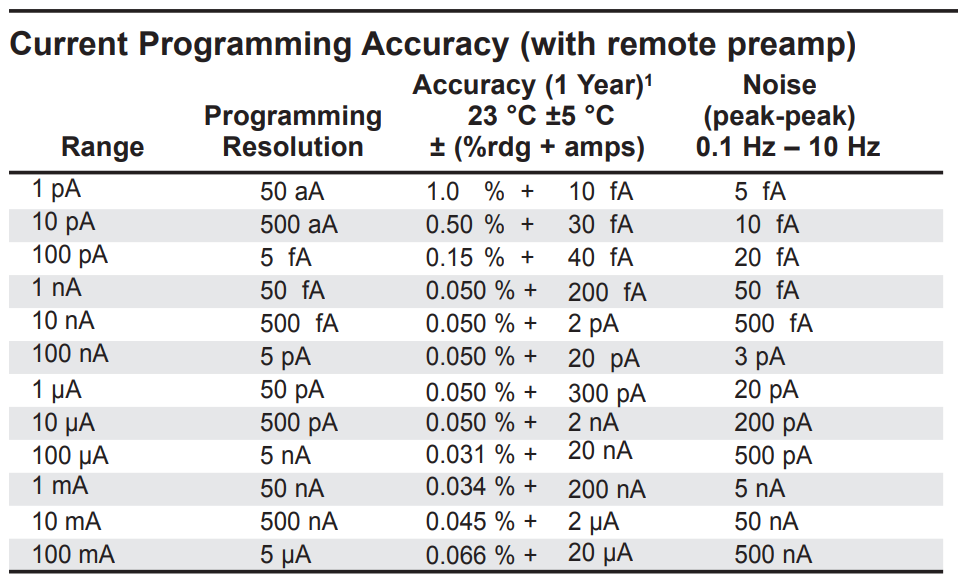
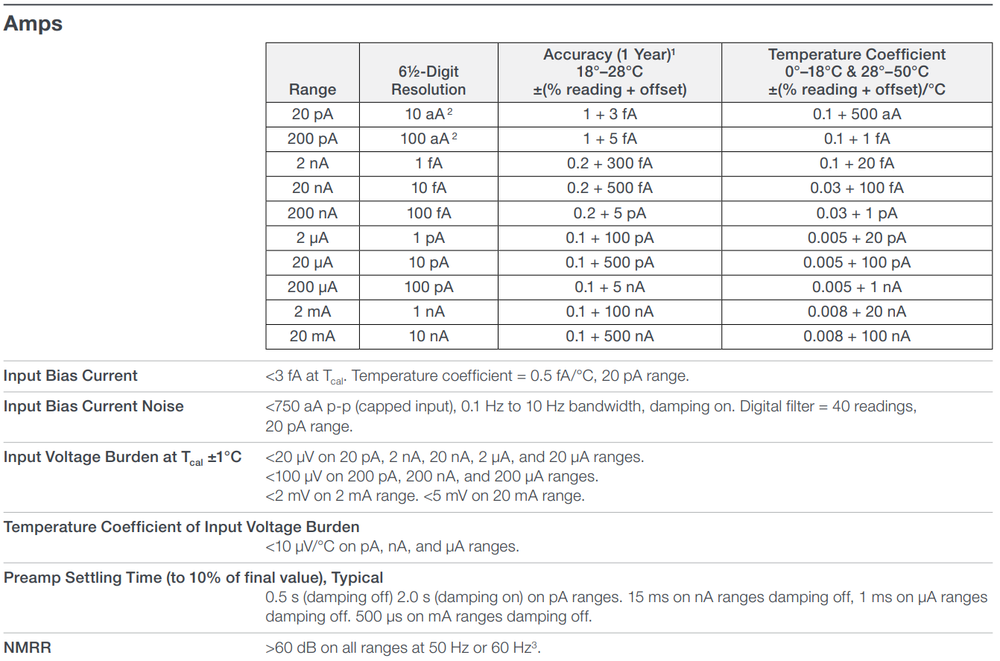
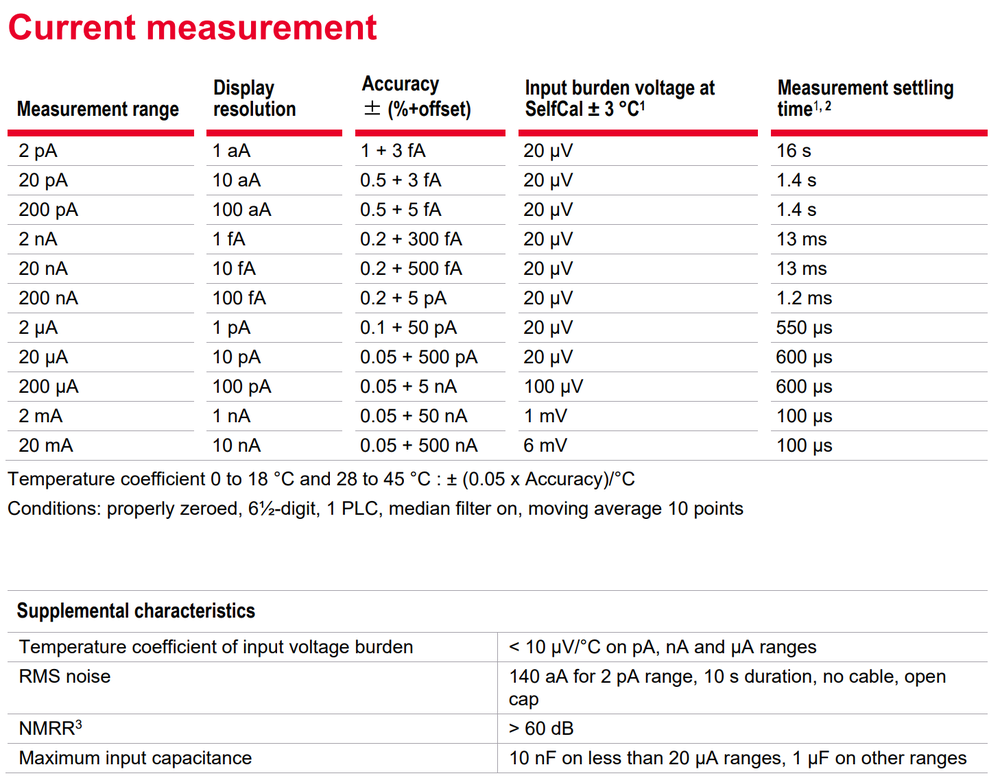
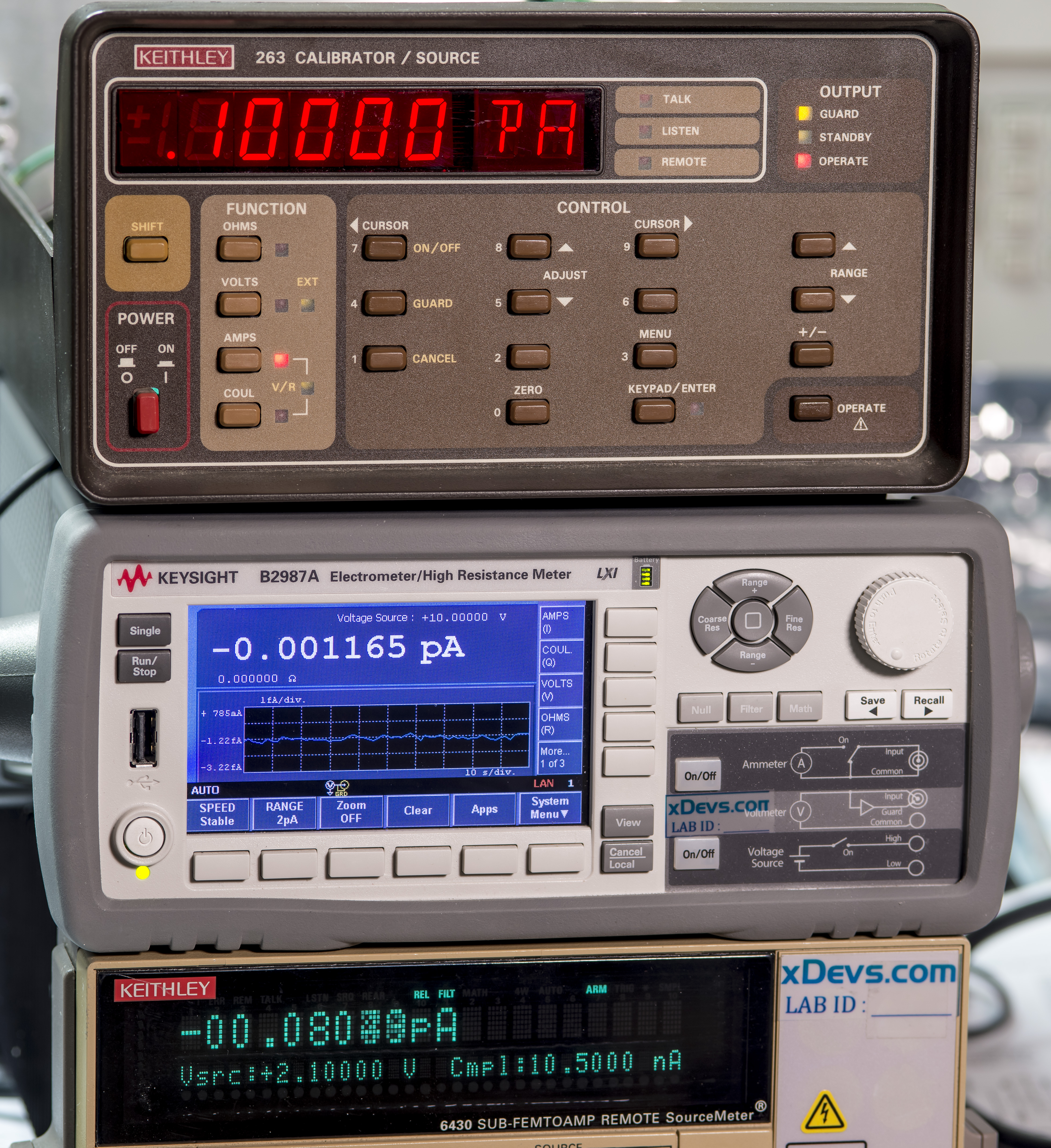
Model 263 current sourcing capability and factory uncertainty are quite impressive for the instrument designed 37 years ago and even better than latest and greatest stuff. In fact 263 has better specification than current commercial instruments for very low currents. This
The closest replacement of 263 is Tektronix/Keithley 6430 sub-femtoampere SourceMeter, available for nice $23700 USD. Model 6430 has similar set of current ranges, provides measurement capabilities and extended voltage/current range up to ±200 V and ±100 mA. However 6430 unable to source fixed resistances or charge calibration functionality.
Teardown and internal design
Mainboard assembly and circuitry
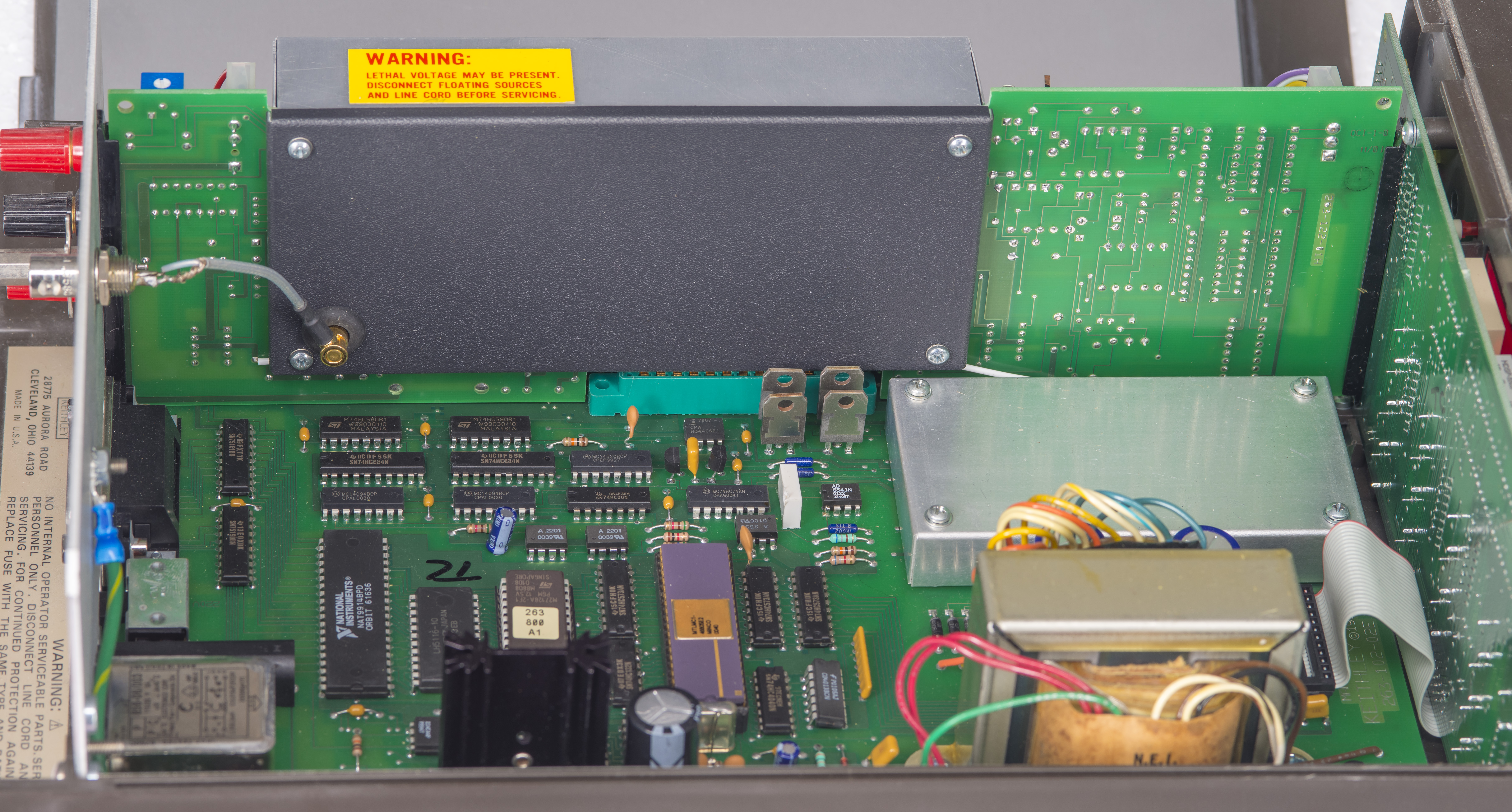
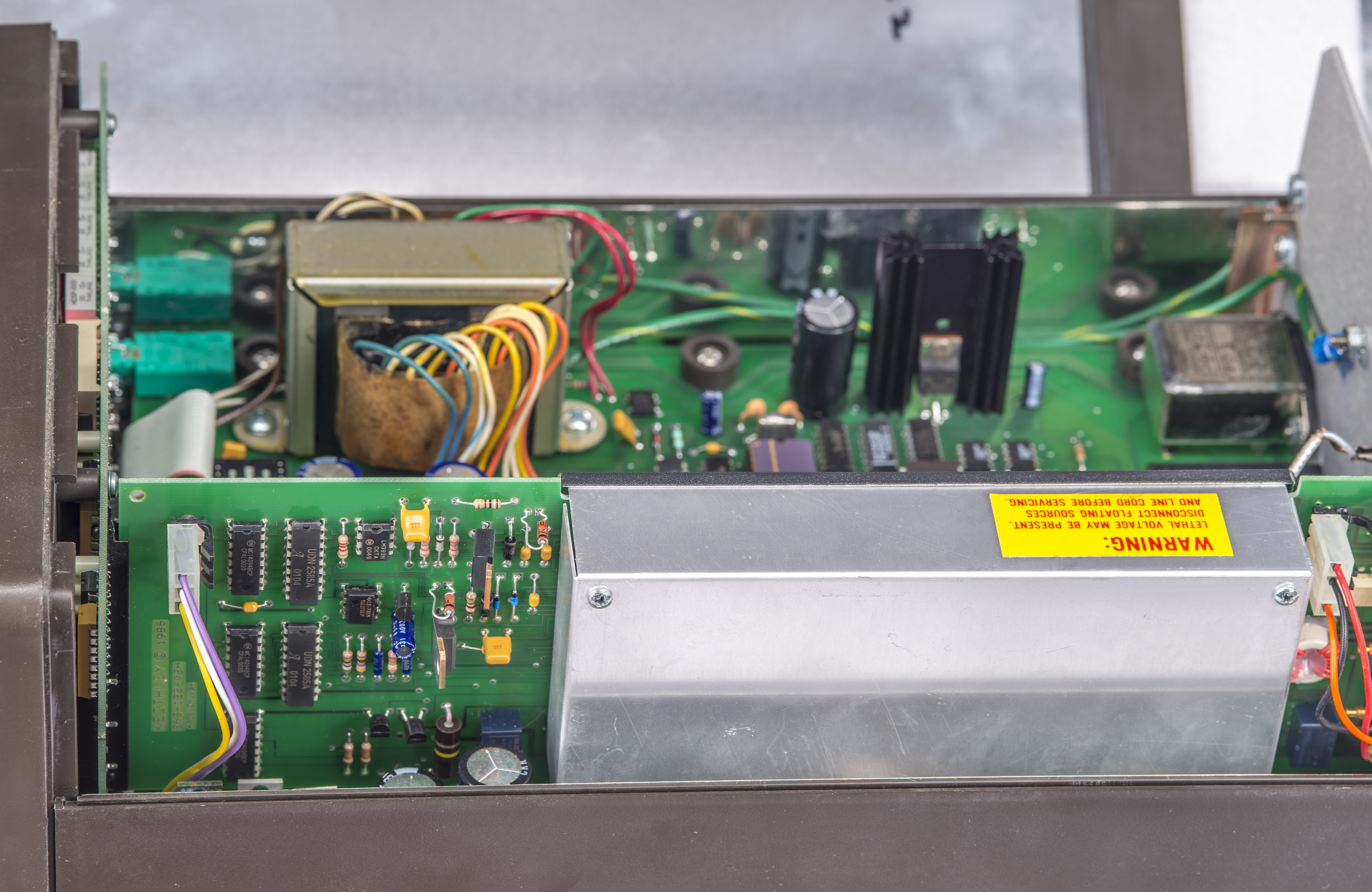
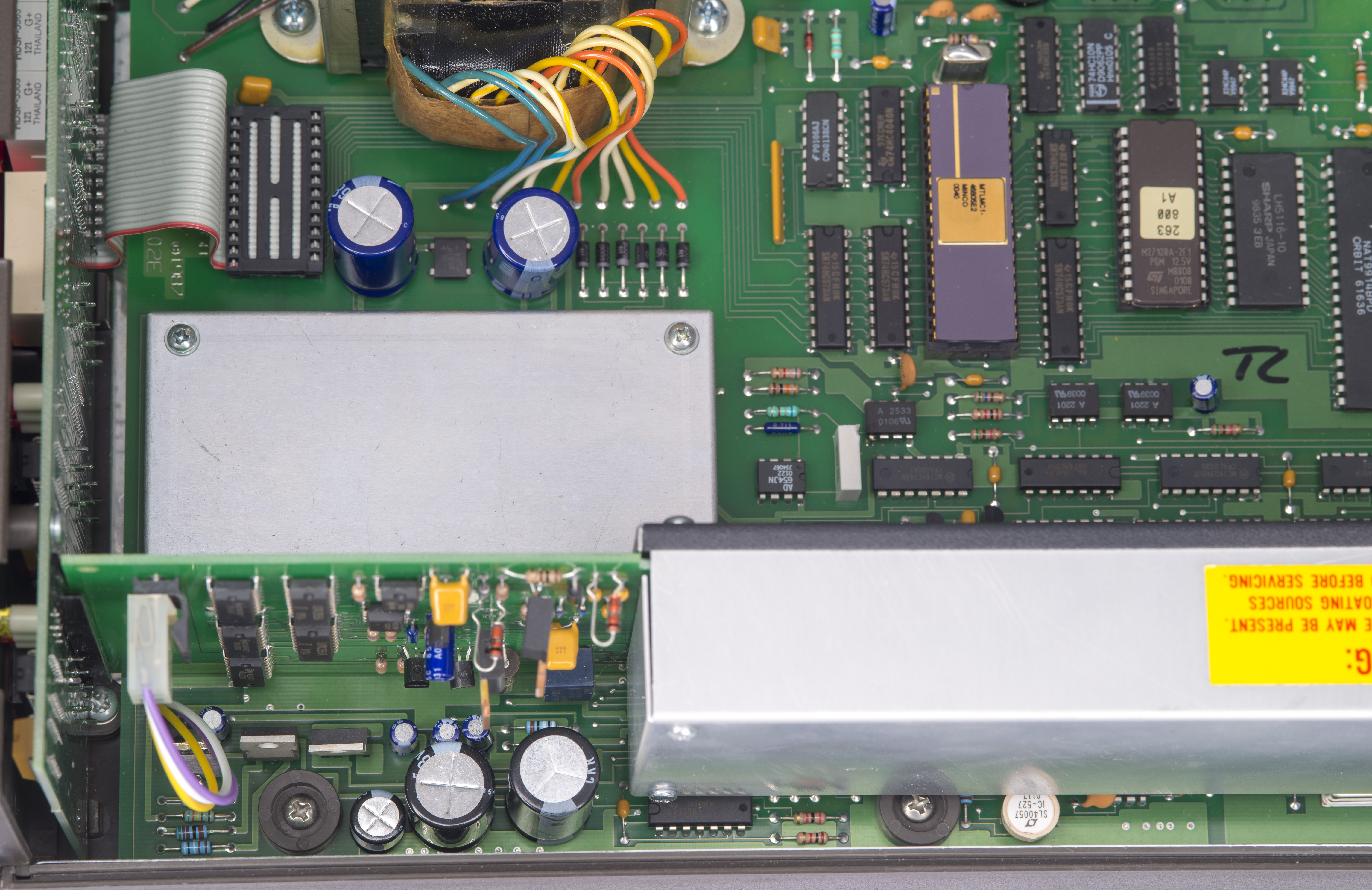
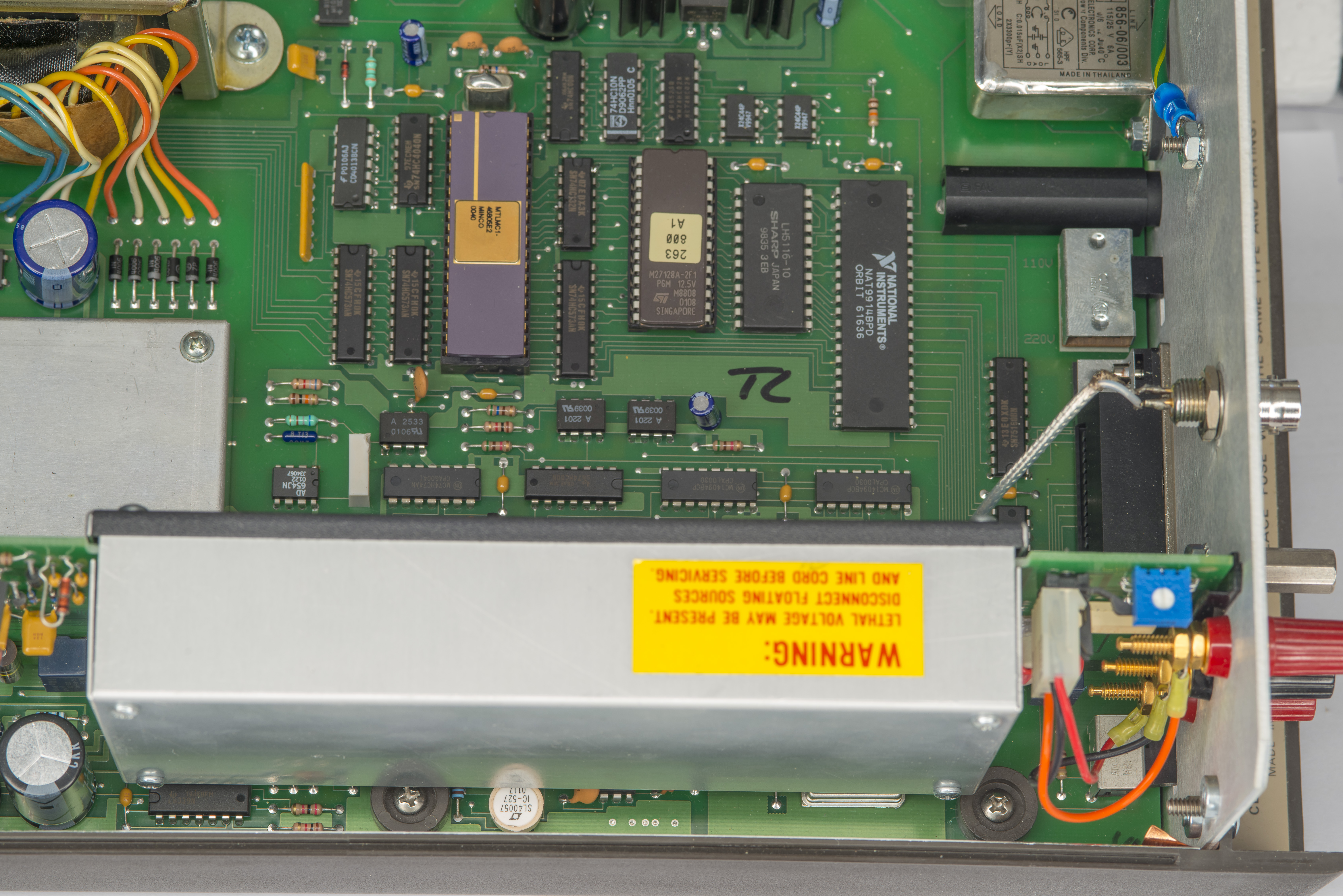
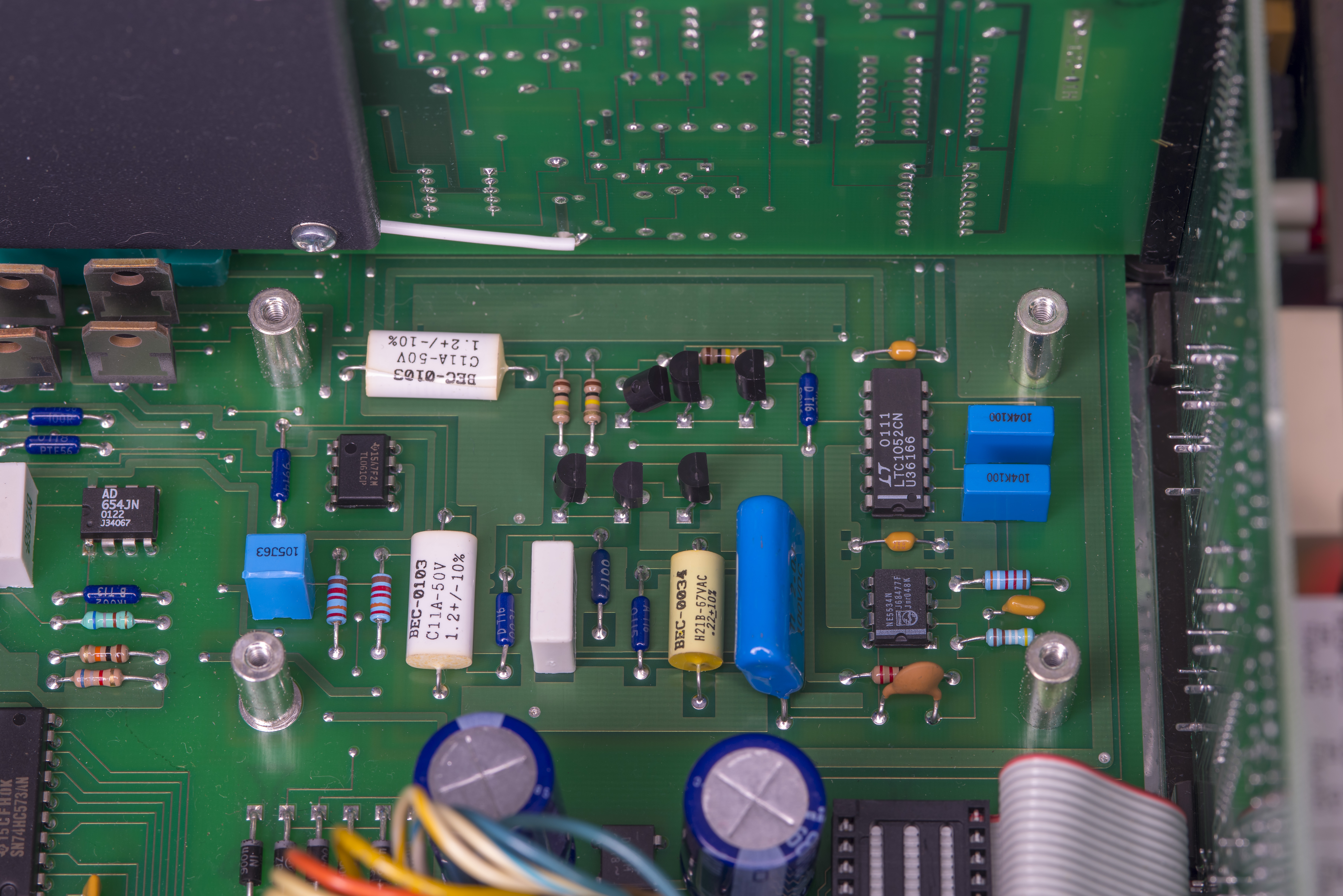
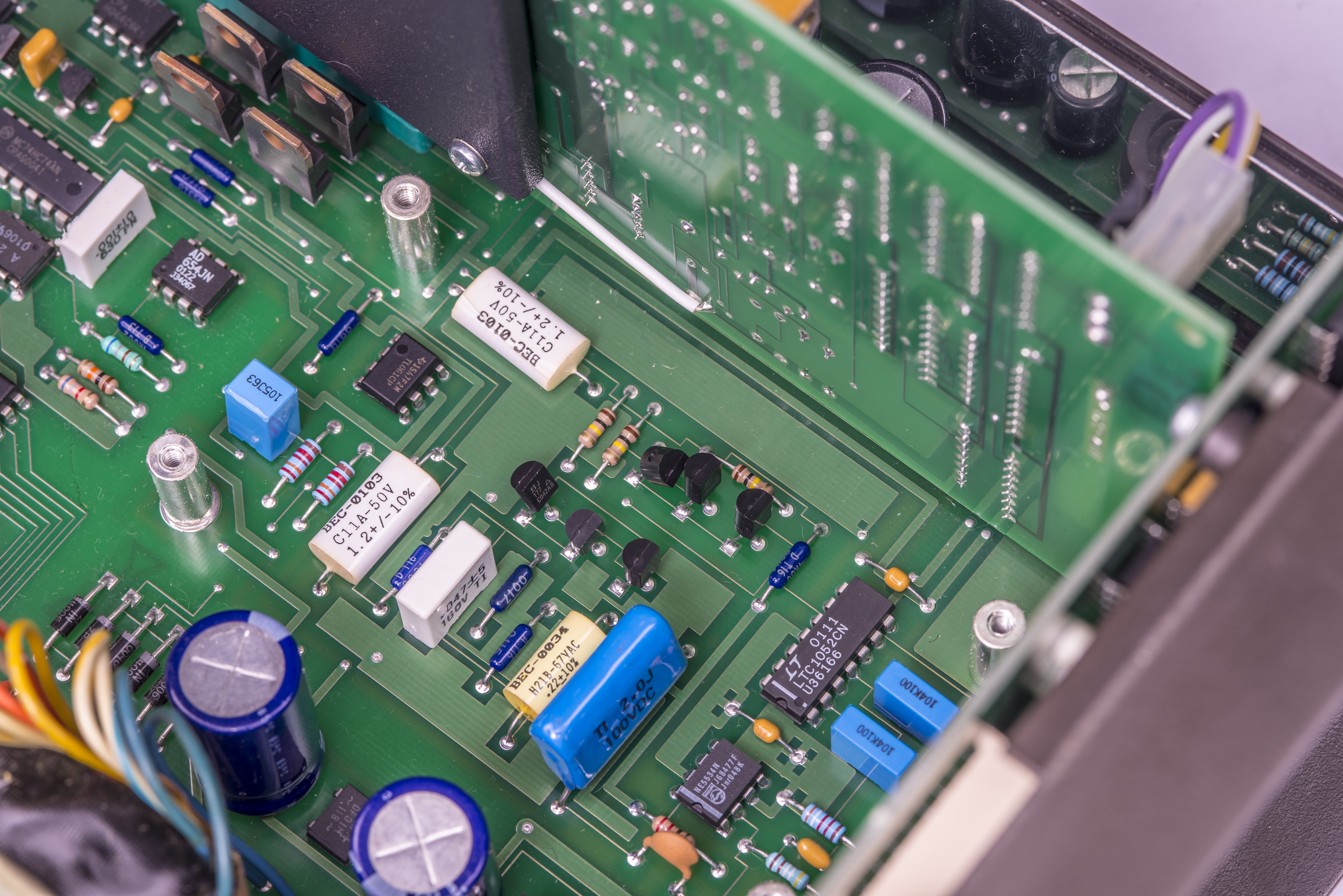
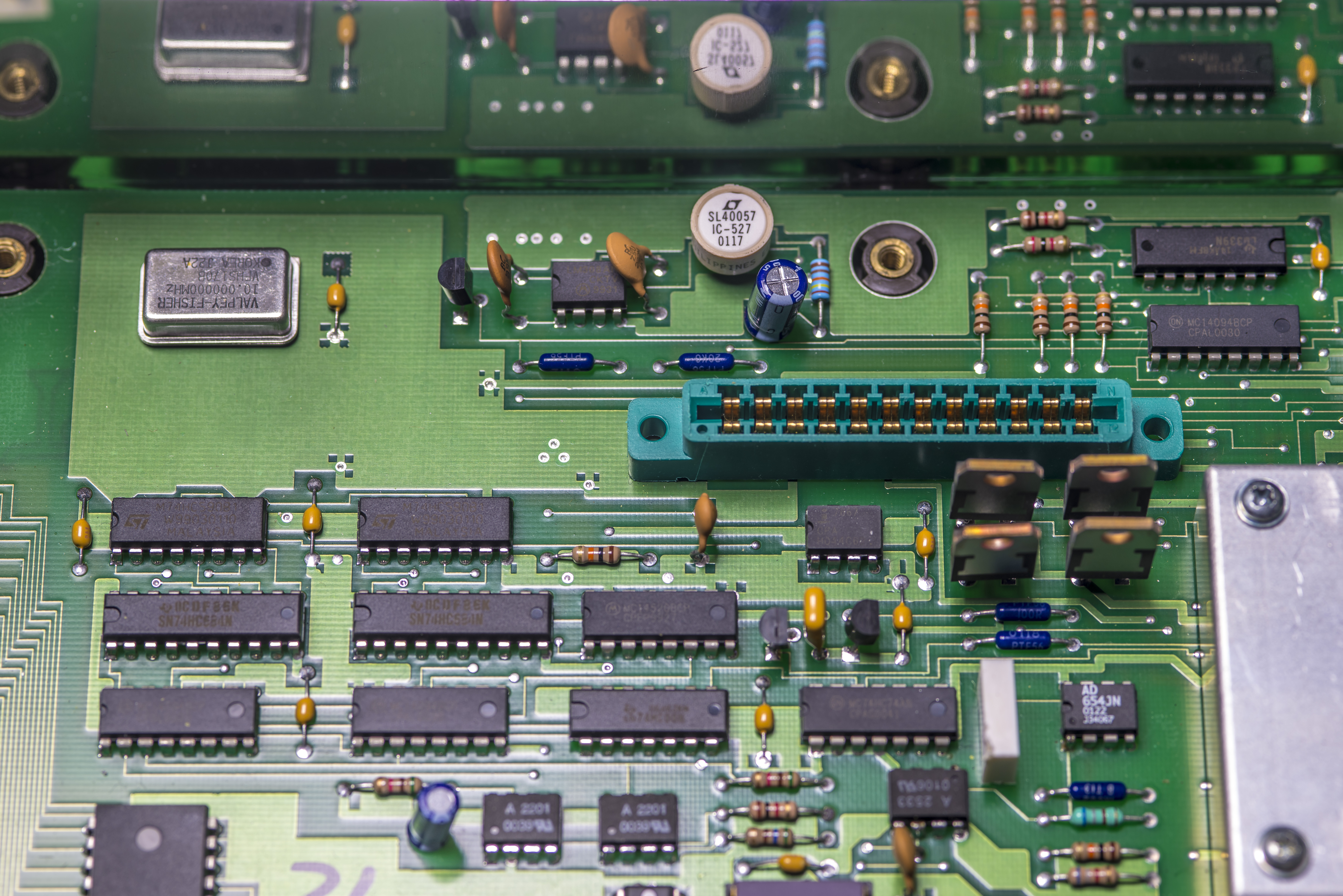
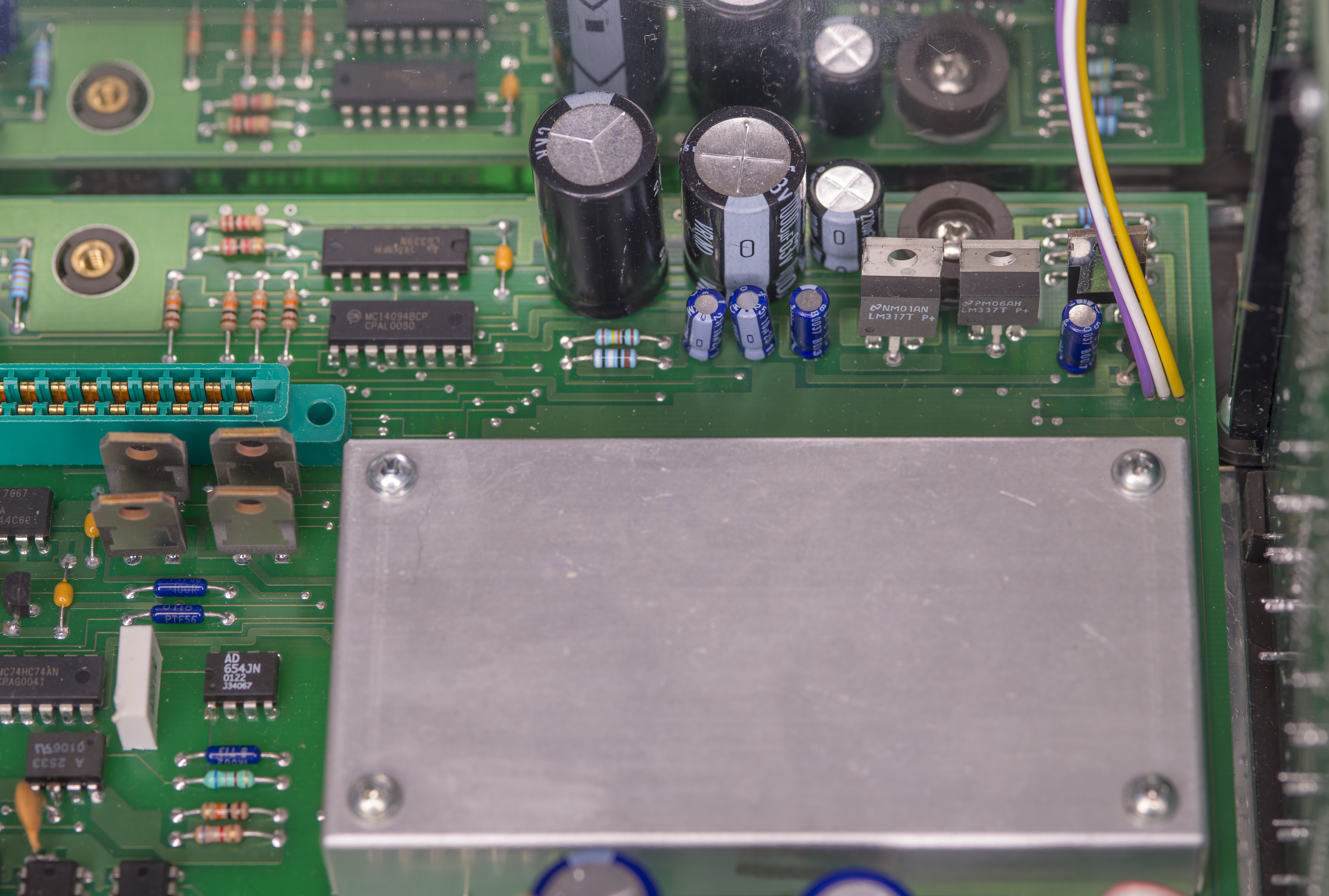
Main processor is 6805 in nice ceramic package with golden lid. Group of 74-series logic devices around provide various digital signals and interfaces. Main firmware is stored in socketed STM M27128A-2F1.
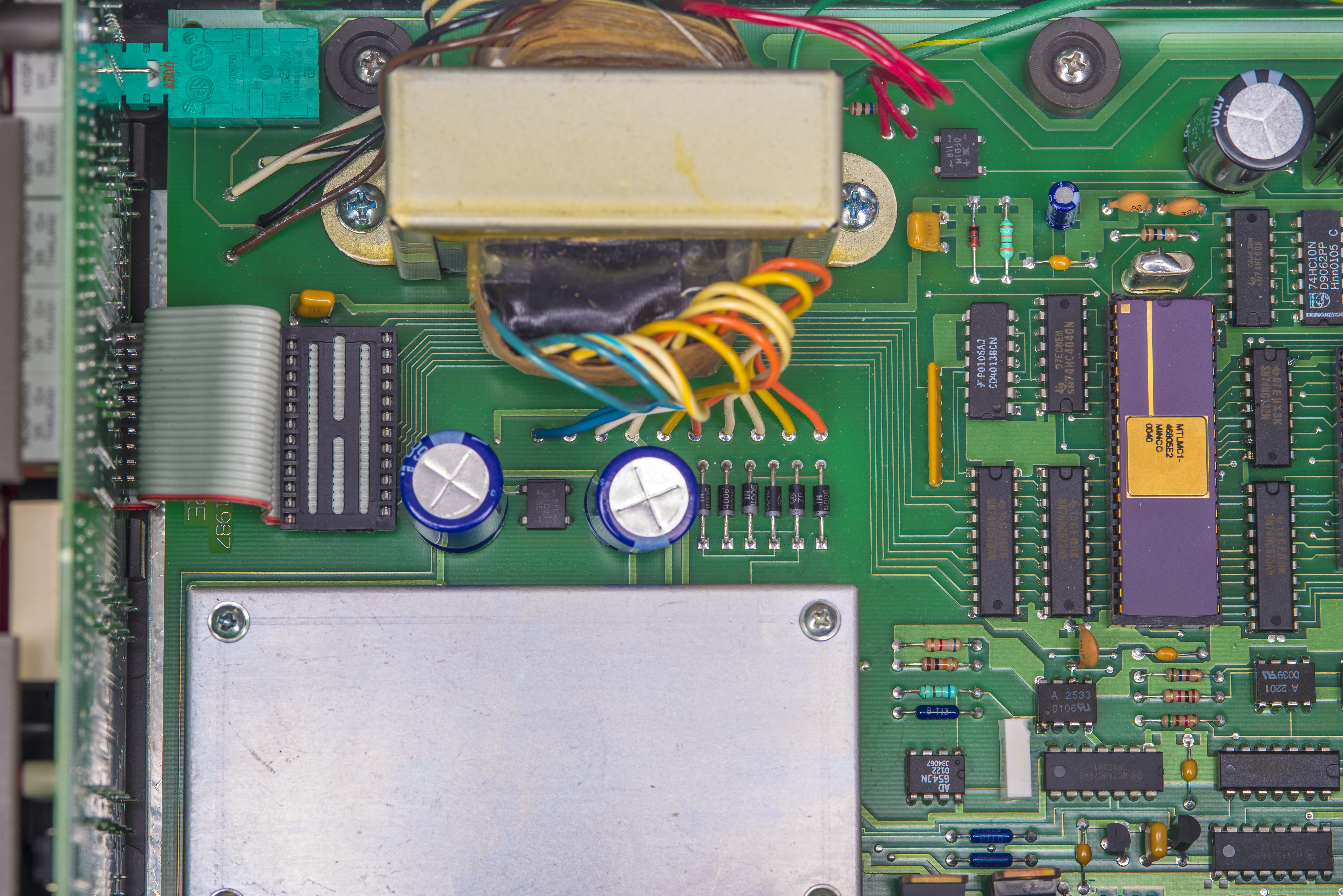
Firmware binary has a sticker 263-800-A1. I’ve saved ROM contents in both binary and Intel HEX formats with TL866CS programmer for backup purposes. LH5116-10 SRAM chip next to ROM is a RAM chip. National Instruments NAT9914BPD with drivers SN75150BN, SN75161BN are standard implementation of GPIB interface.

Analog front-end PCBA
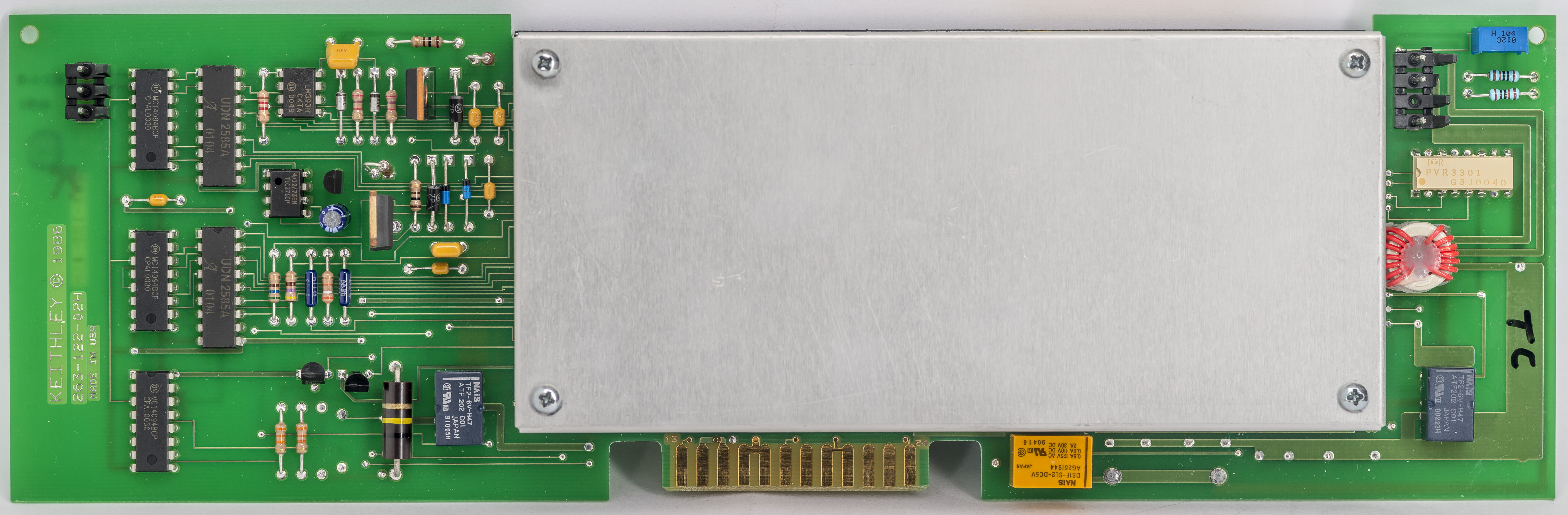
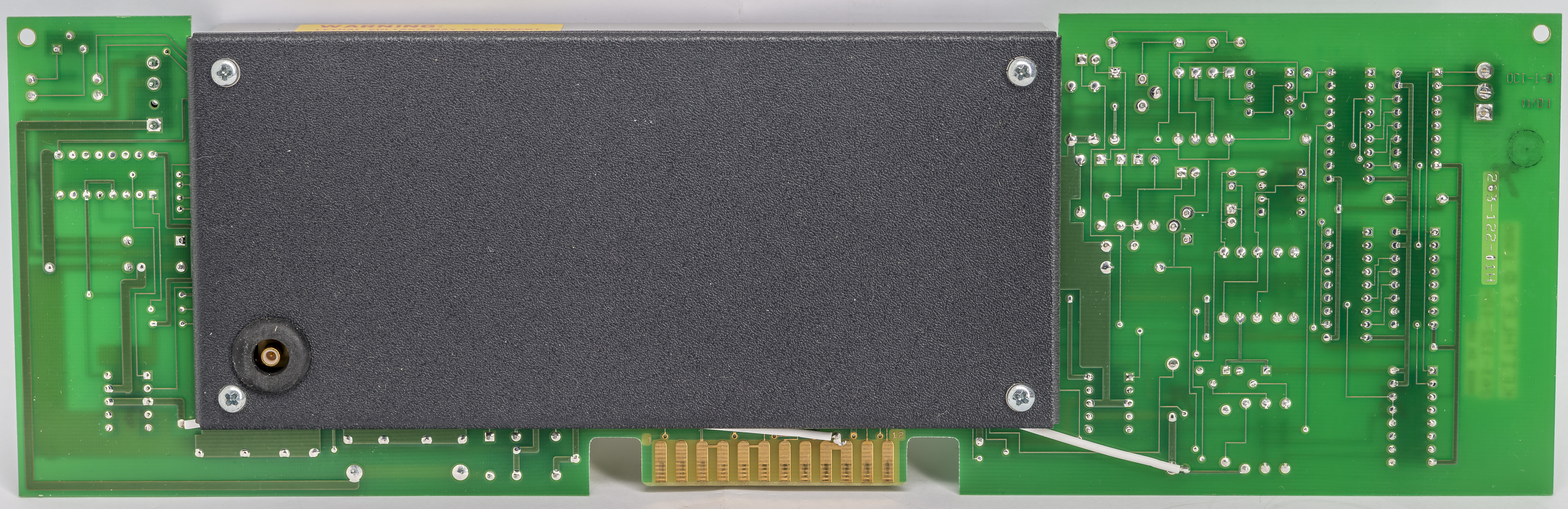
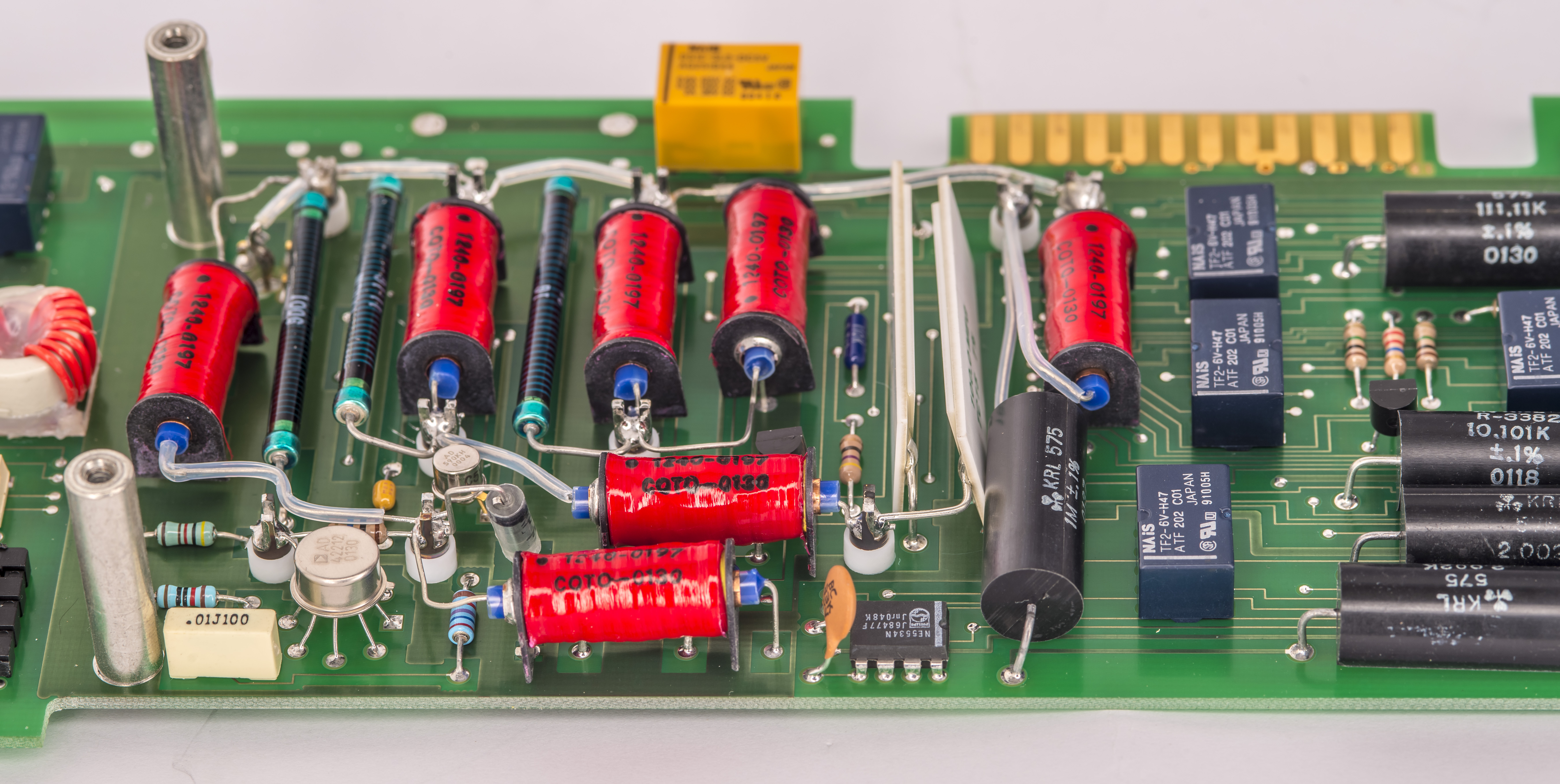
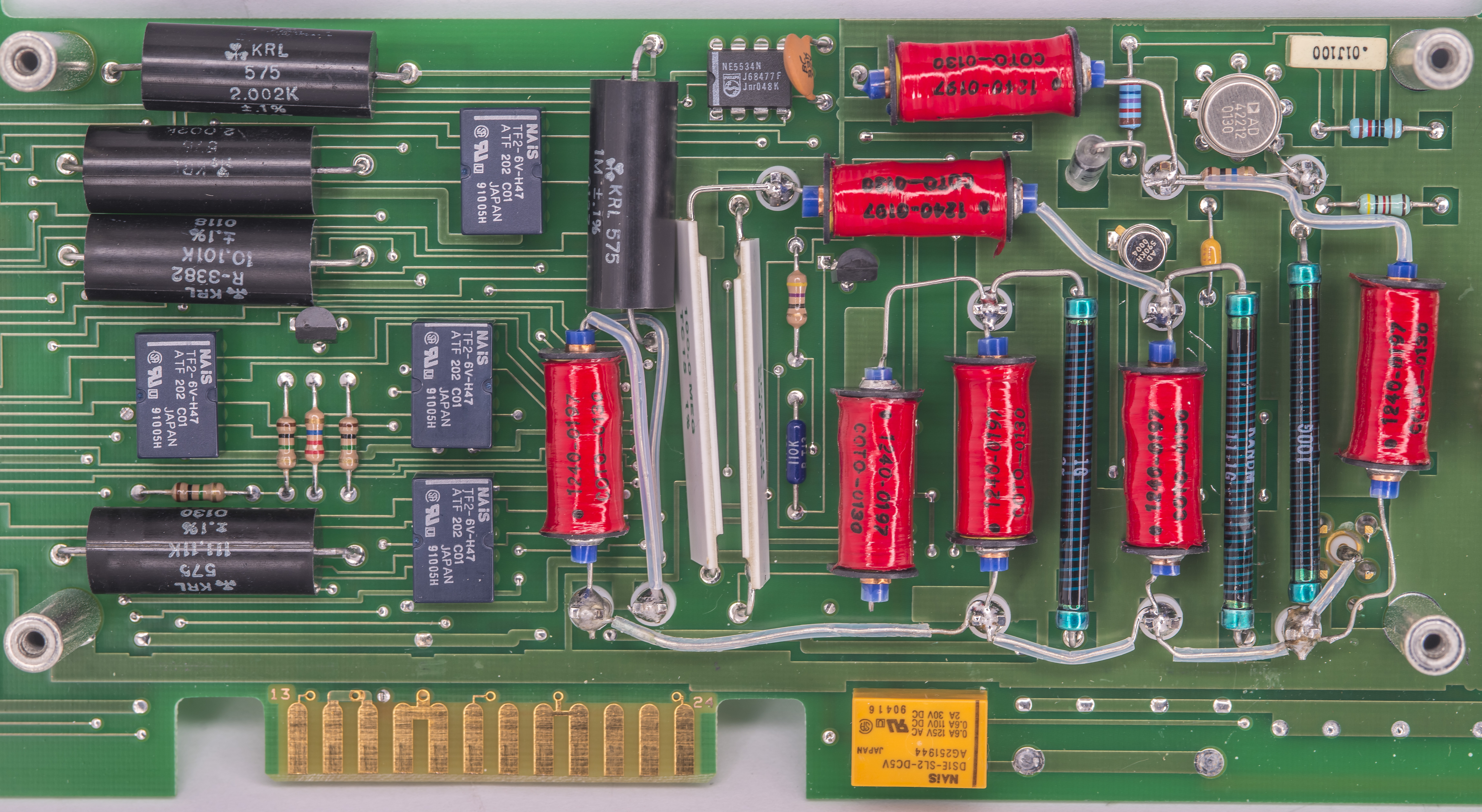
After careful removal of both shields we can see all the sensitive low-current stuff.
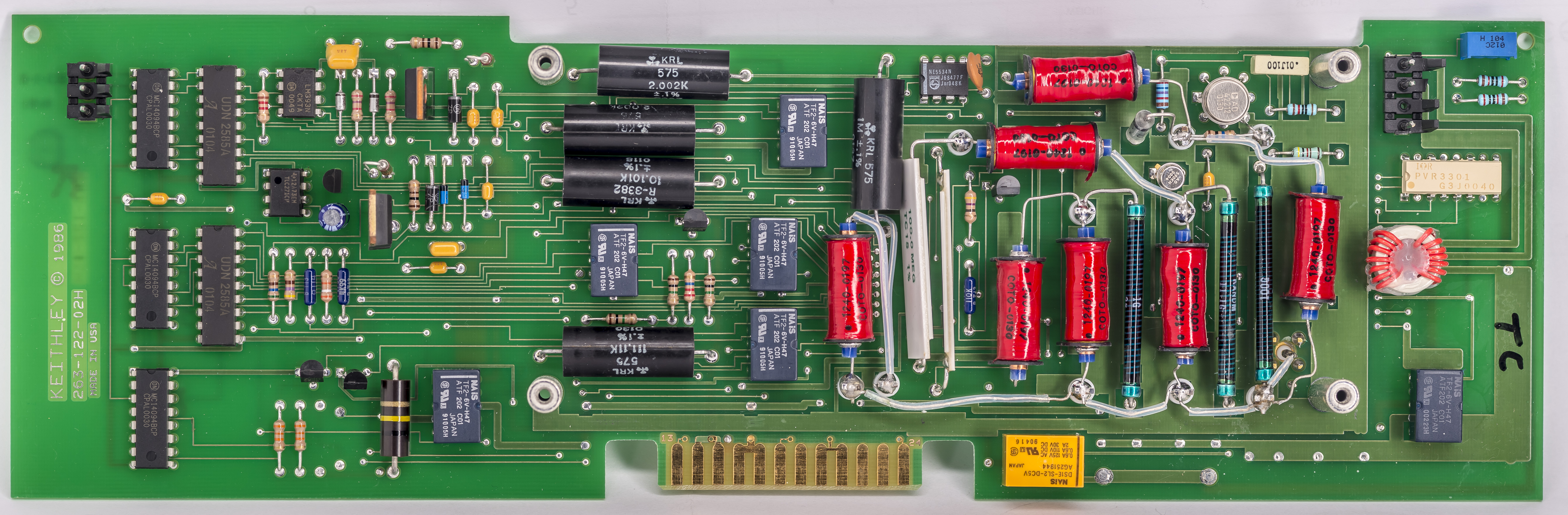
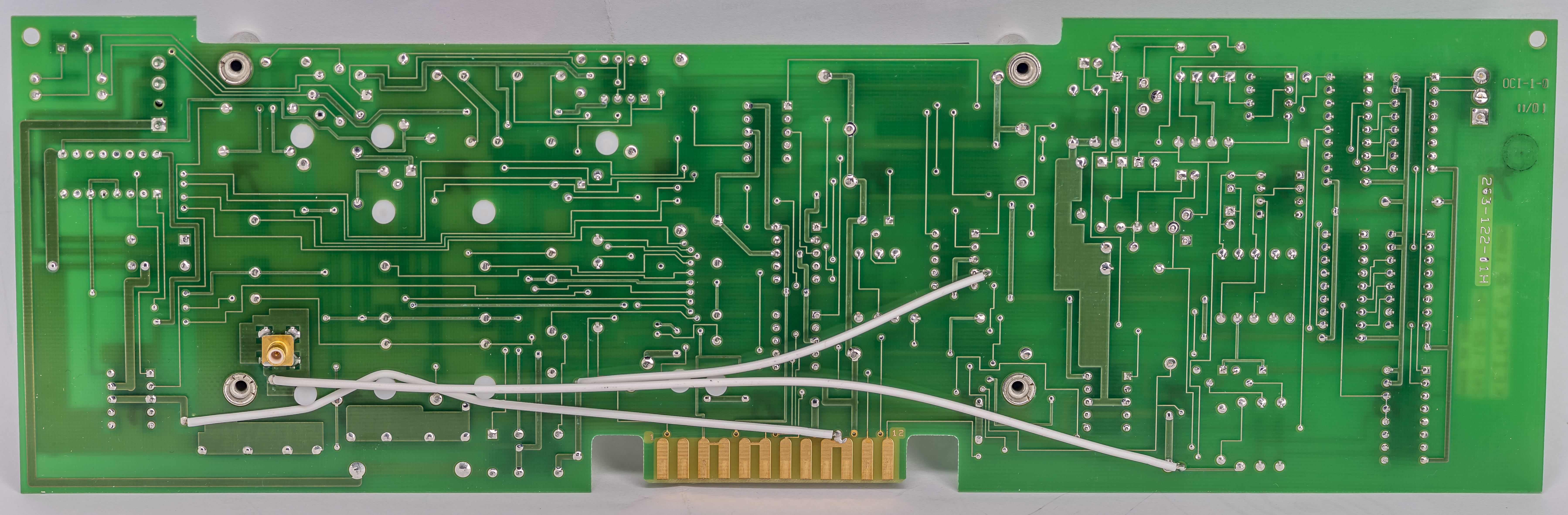
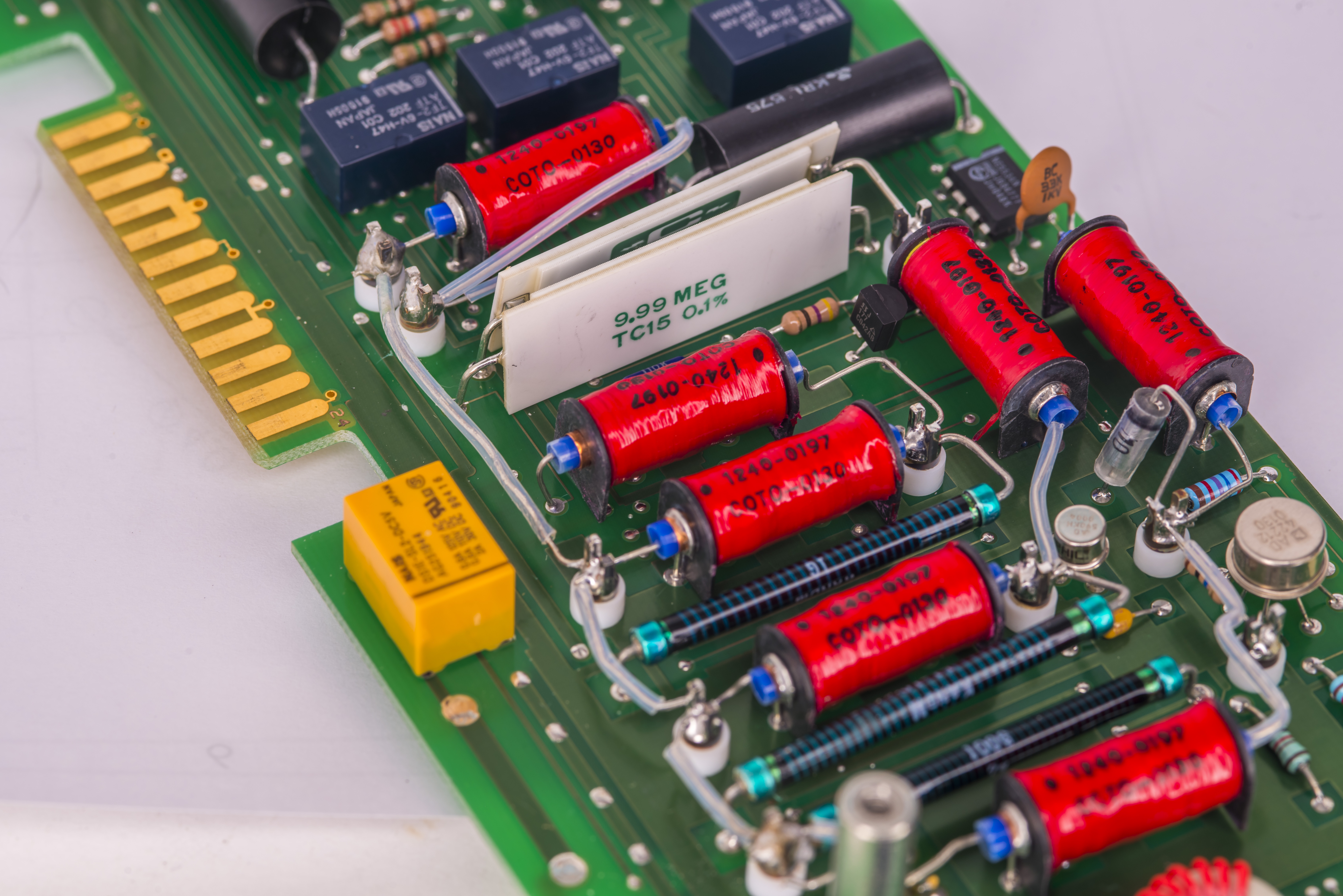
Lower values resistance values below 1 MΩ are implemented with precision wirewound resistors from KRL.
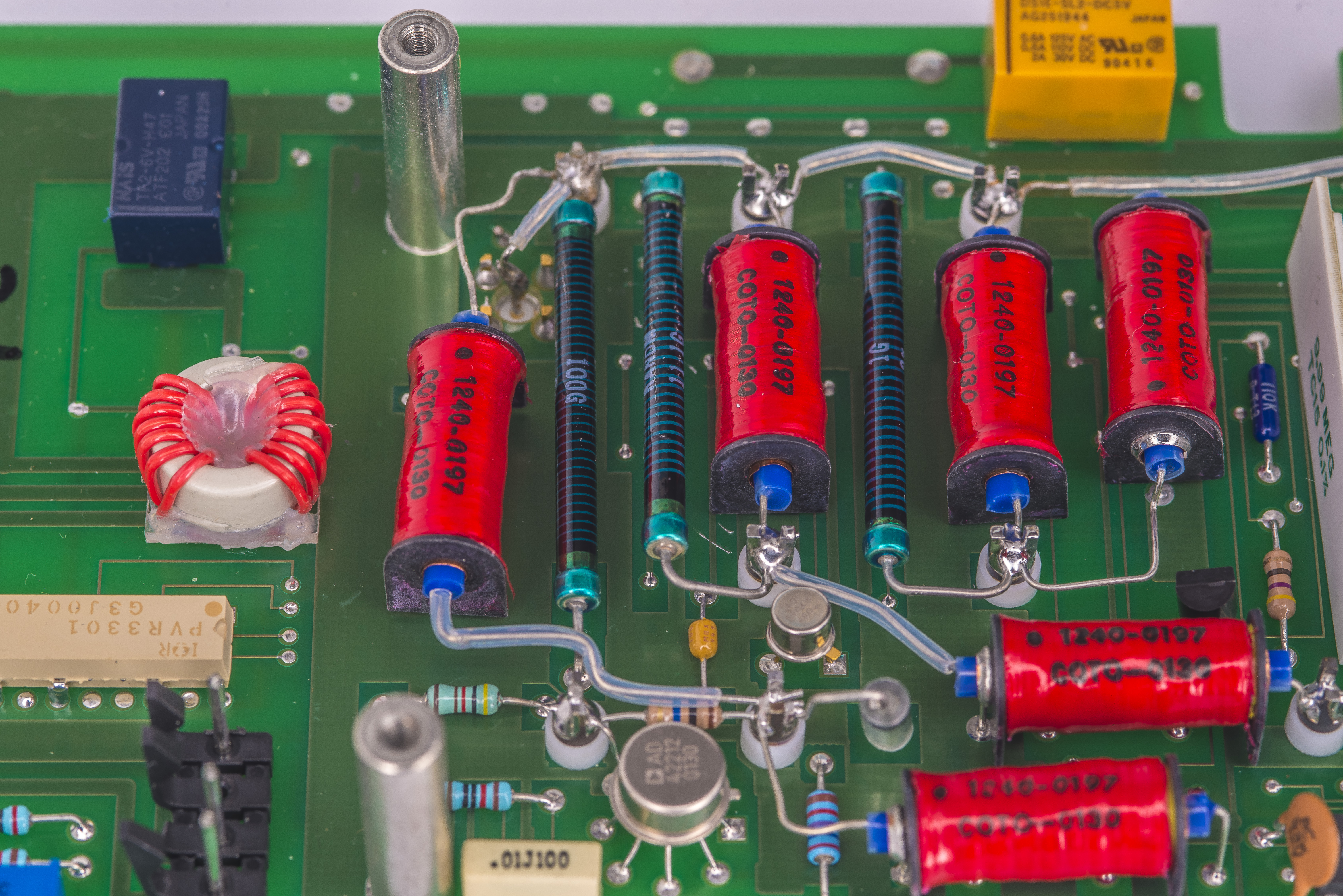
Medium range 10 MΩ and 100 MΩ using Caddock ±15 ppm thick-film elements.
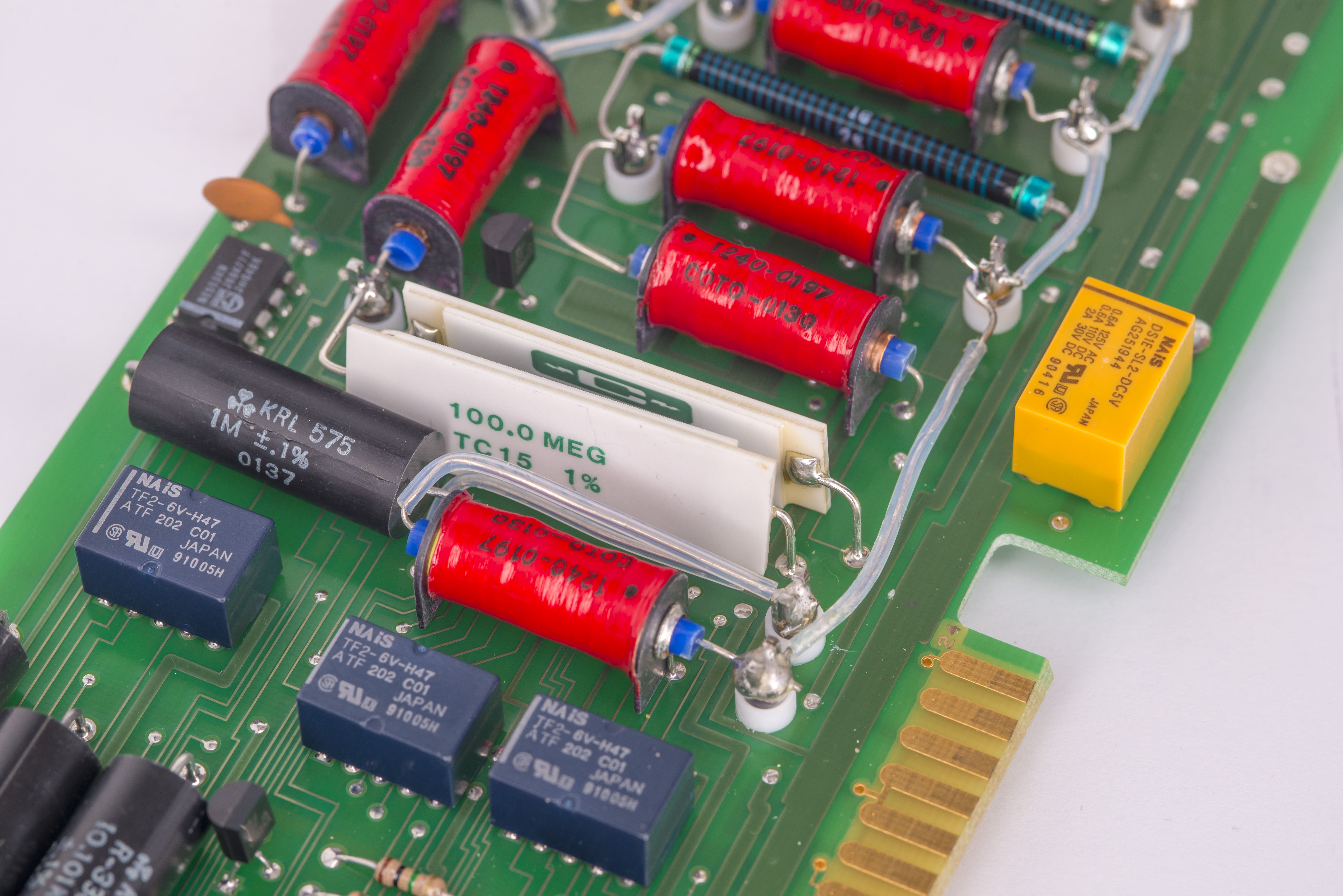
Starting from 100 MΩ we also see switching to PTFE-standoff air-wire design as humidity and contamination on PCB would cause too much leakage for highly sensitive circuits.
Troubleshooting and repair
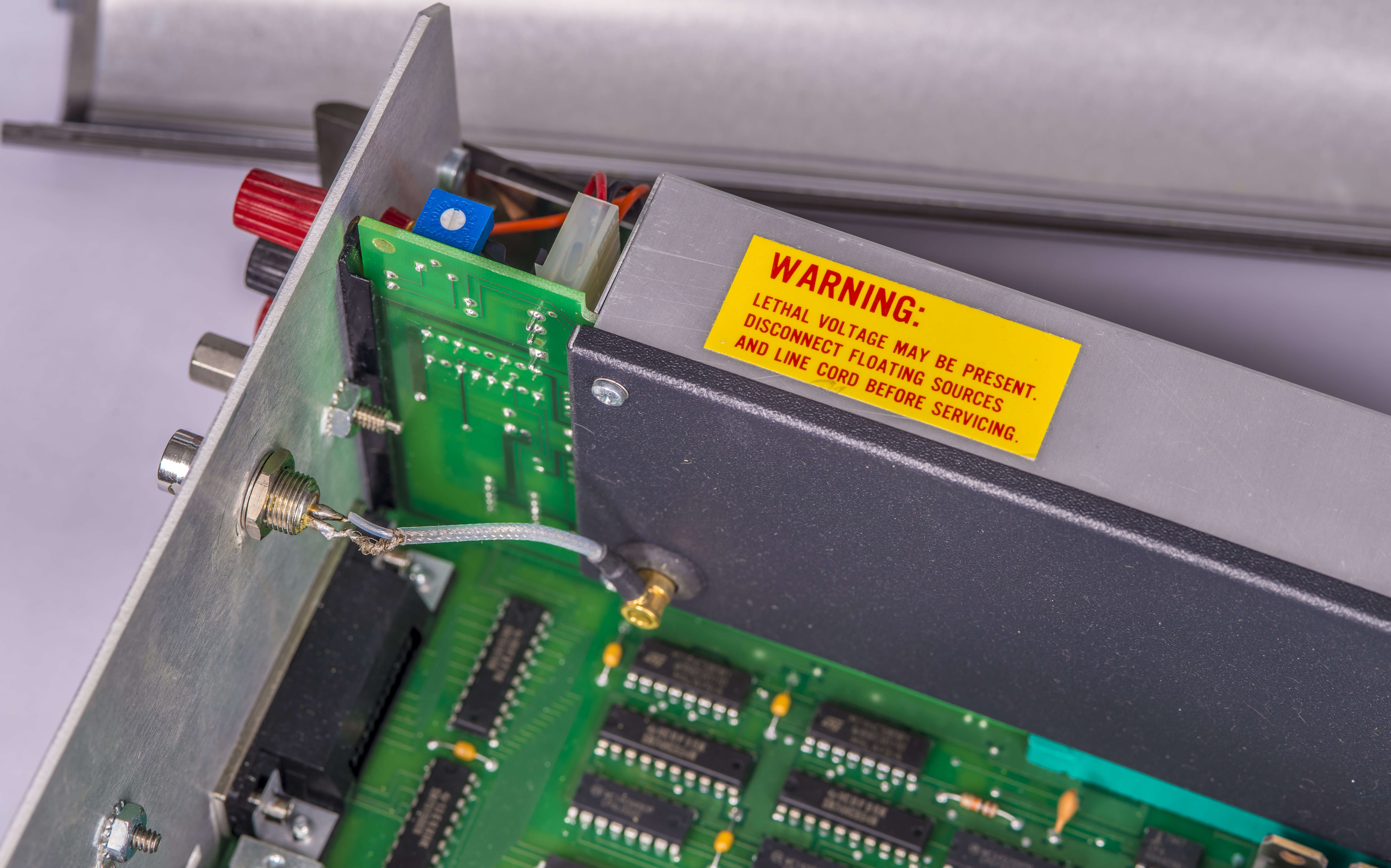
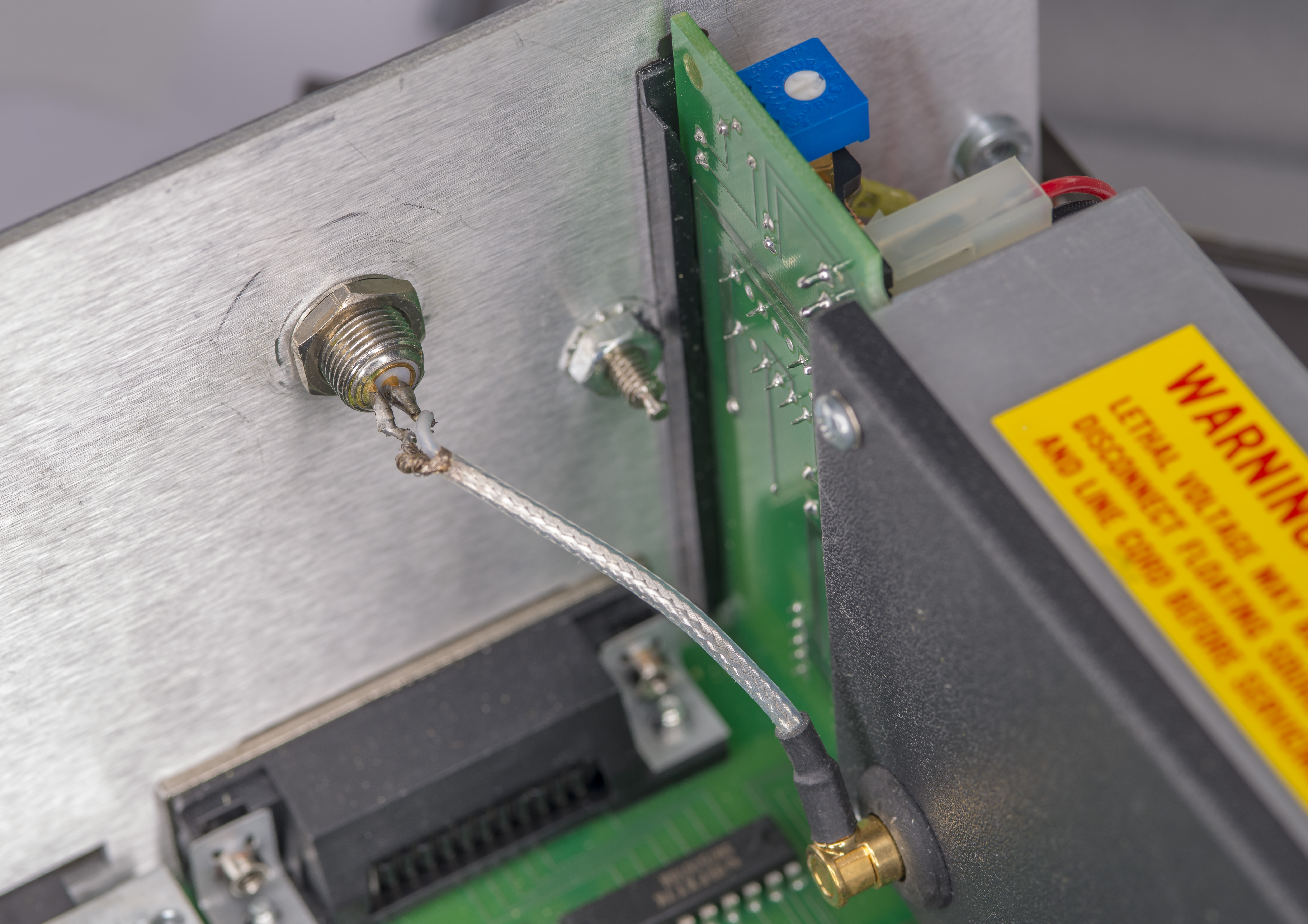
First step was to replace the obsolete legacy 2-lug triaxial connector with modern 3-lug version. This way I can avoid using expensive adapters and reuse same low-leakage triaxial cables in the lab.
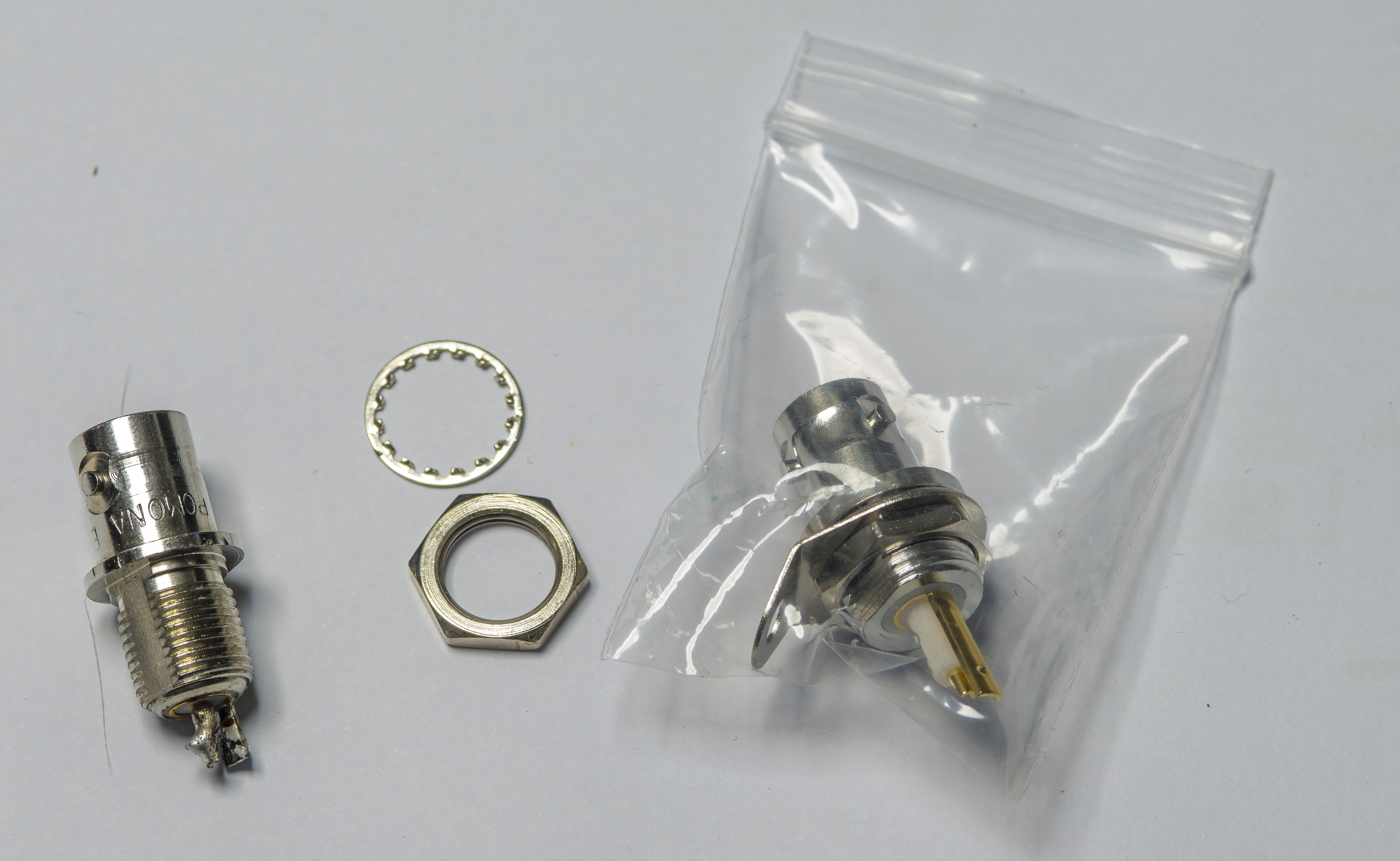
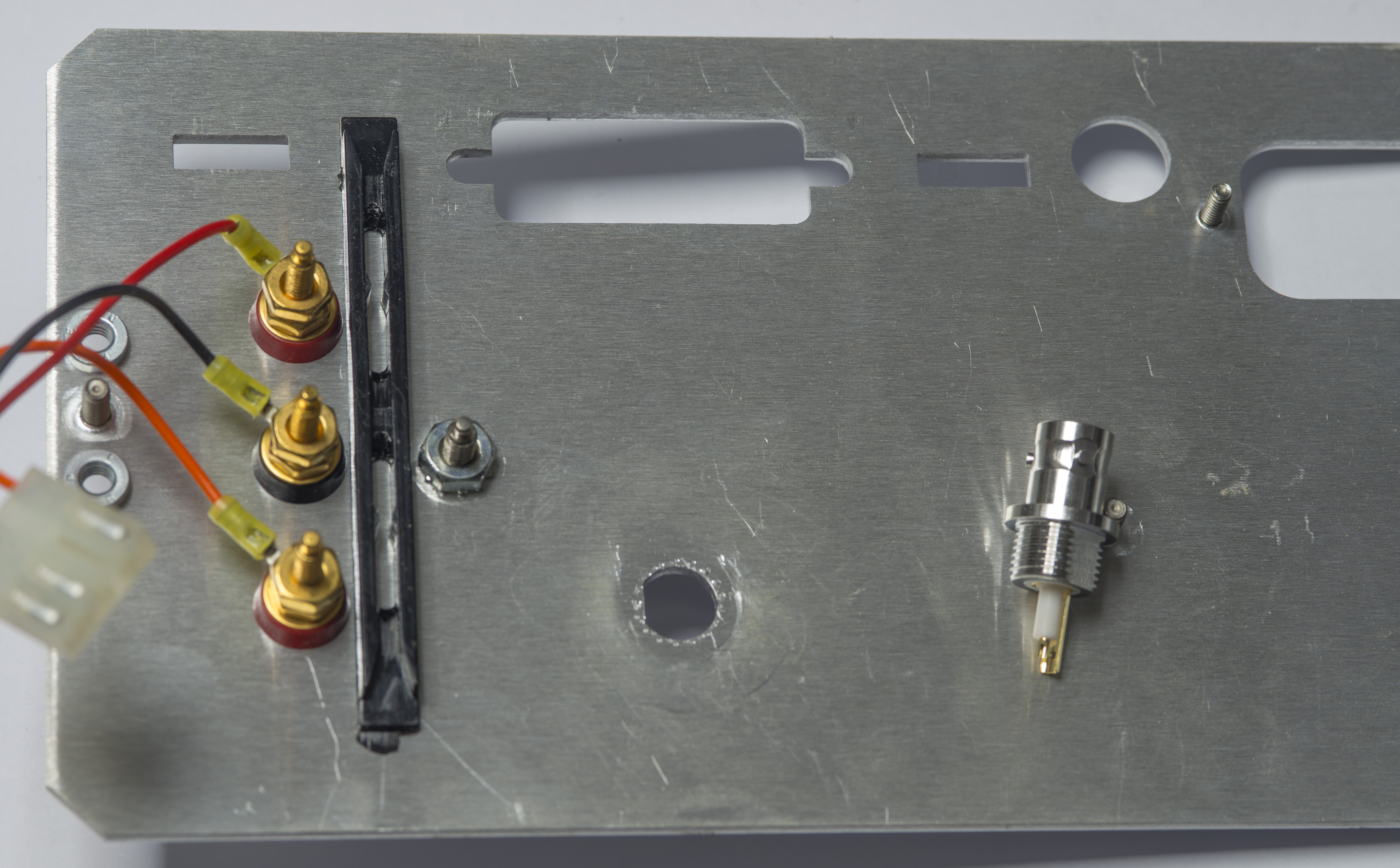
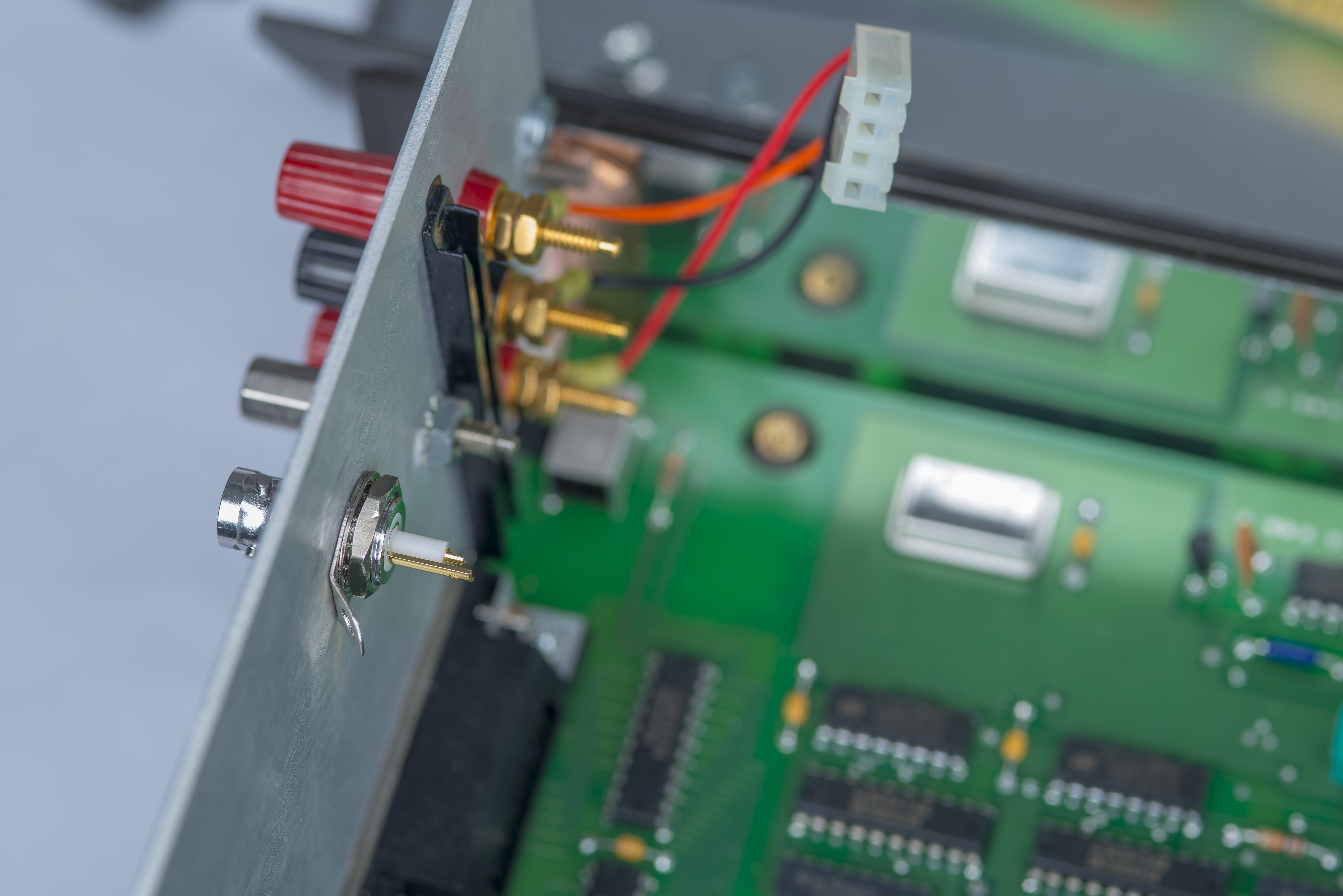
Internally triax port is routed to a short coaxial cable with SMB connector on the analog board end.
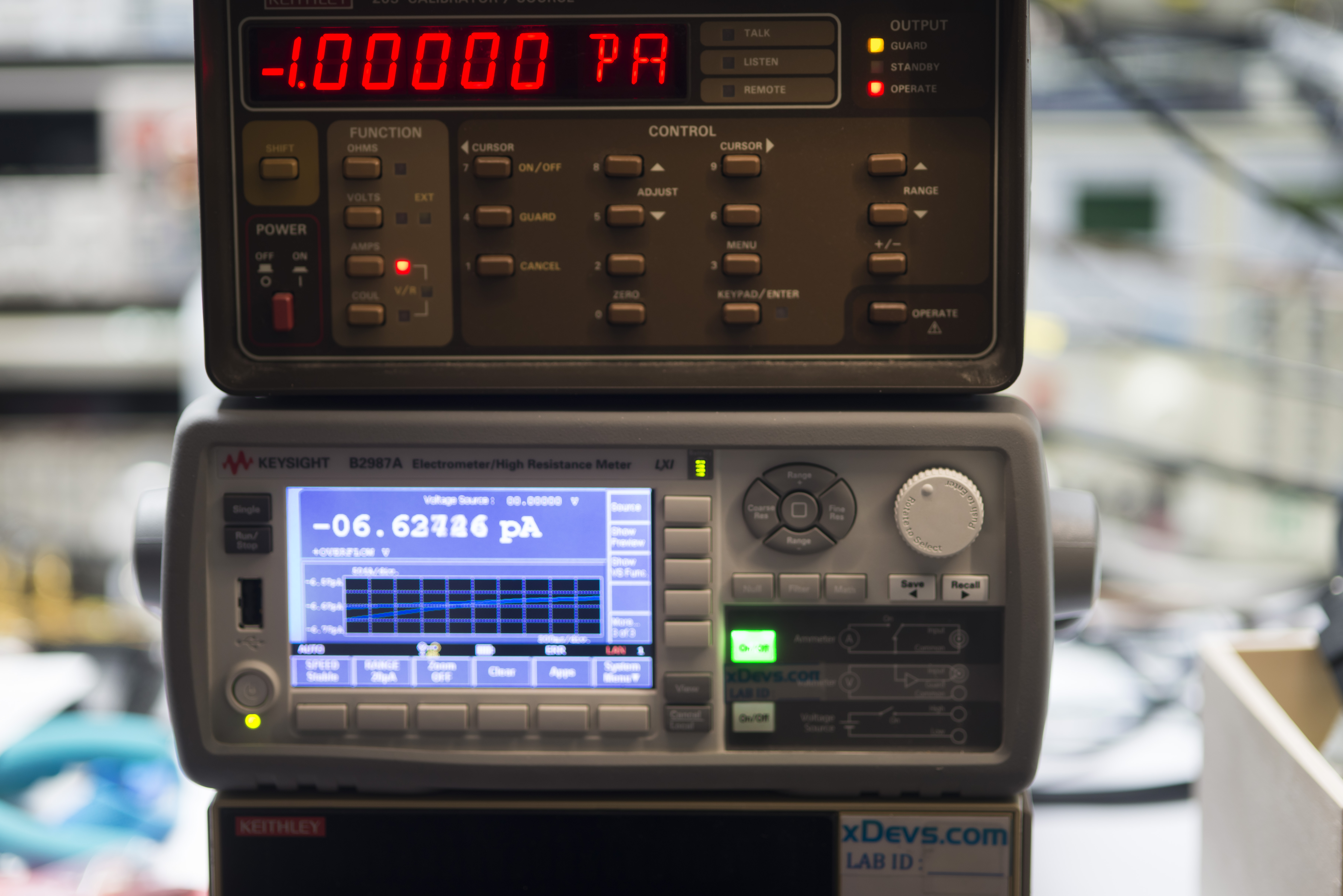
Sourcing resistances from 263 was showing errornous results for resistances 10 MΩ and higher. It was looking just a slightly smaller values for MΩ-ranges but the fault becomes obvious on 10 GΩ range which reads 6.27 GΩ instead of expected 9.9031 GΩ.
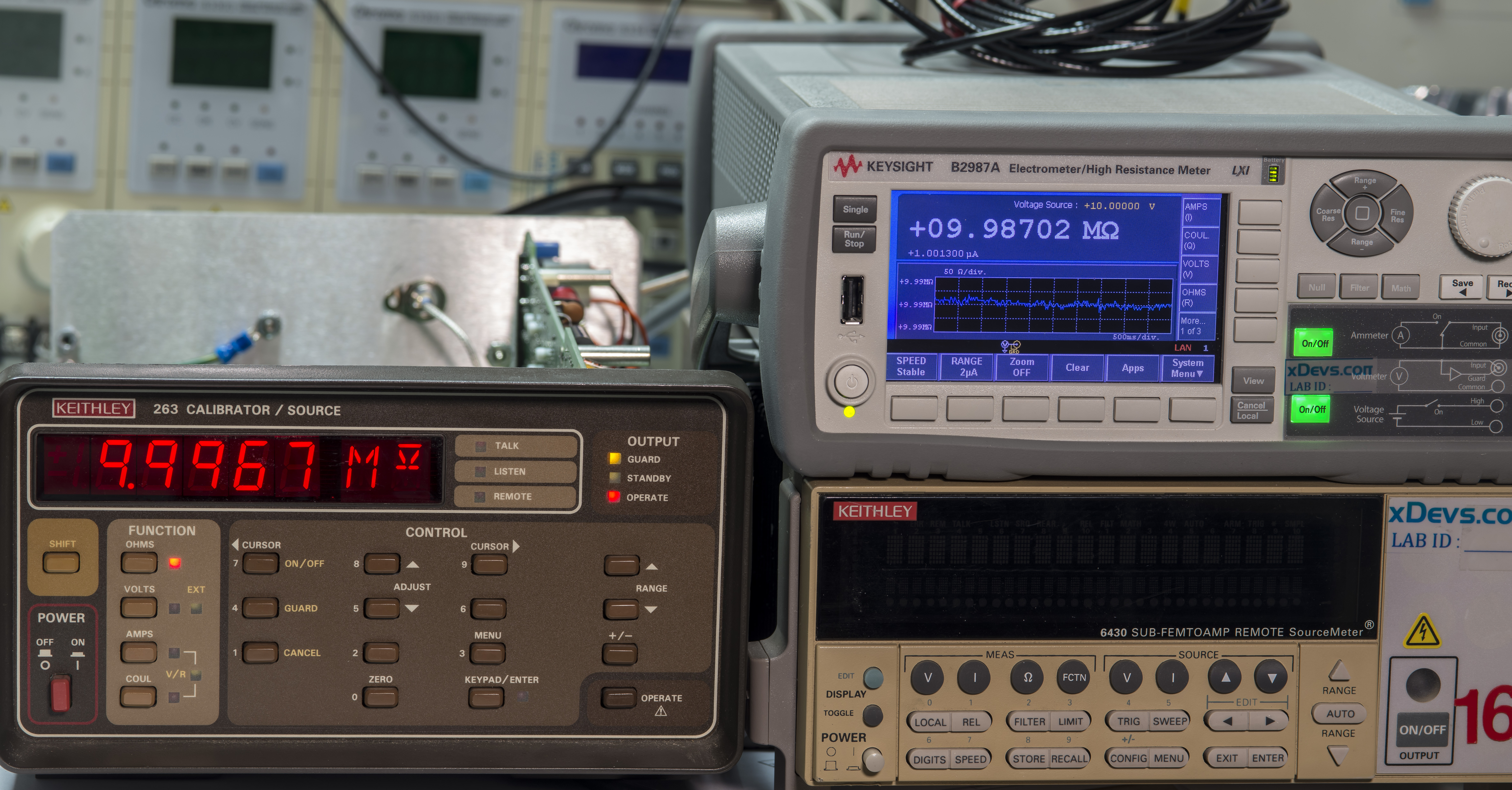
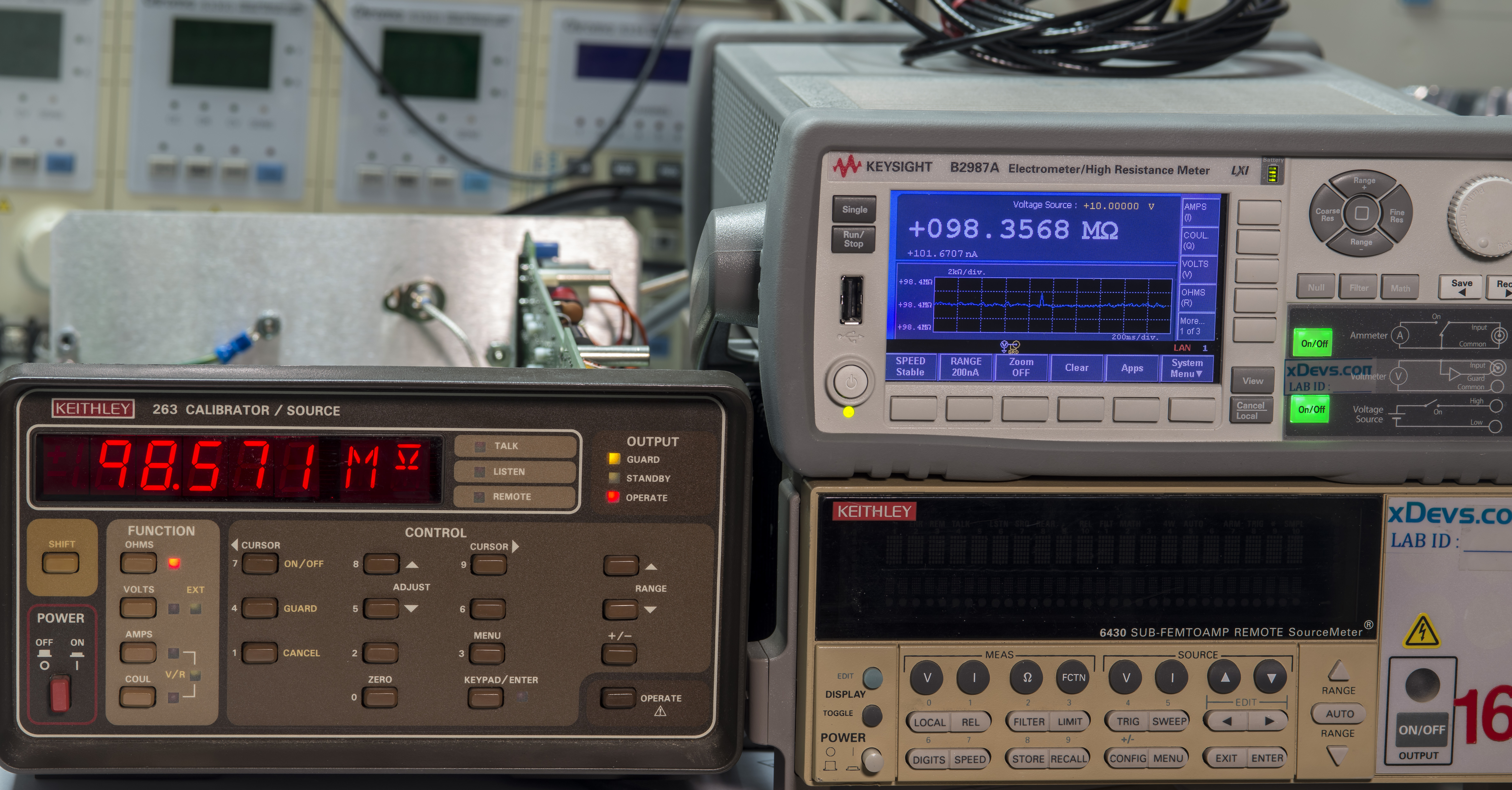
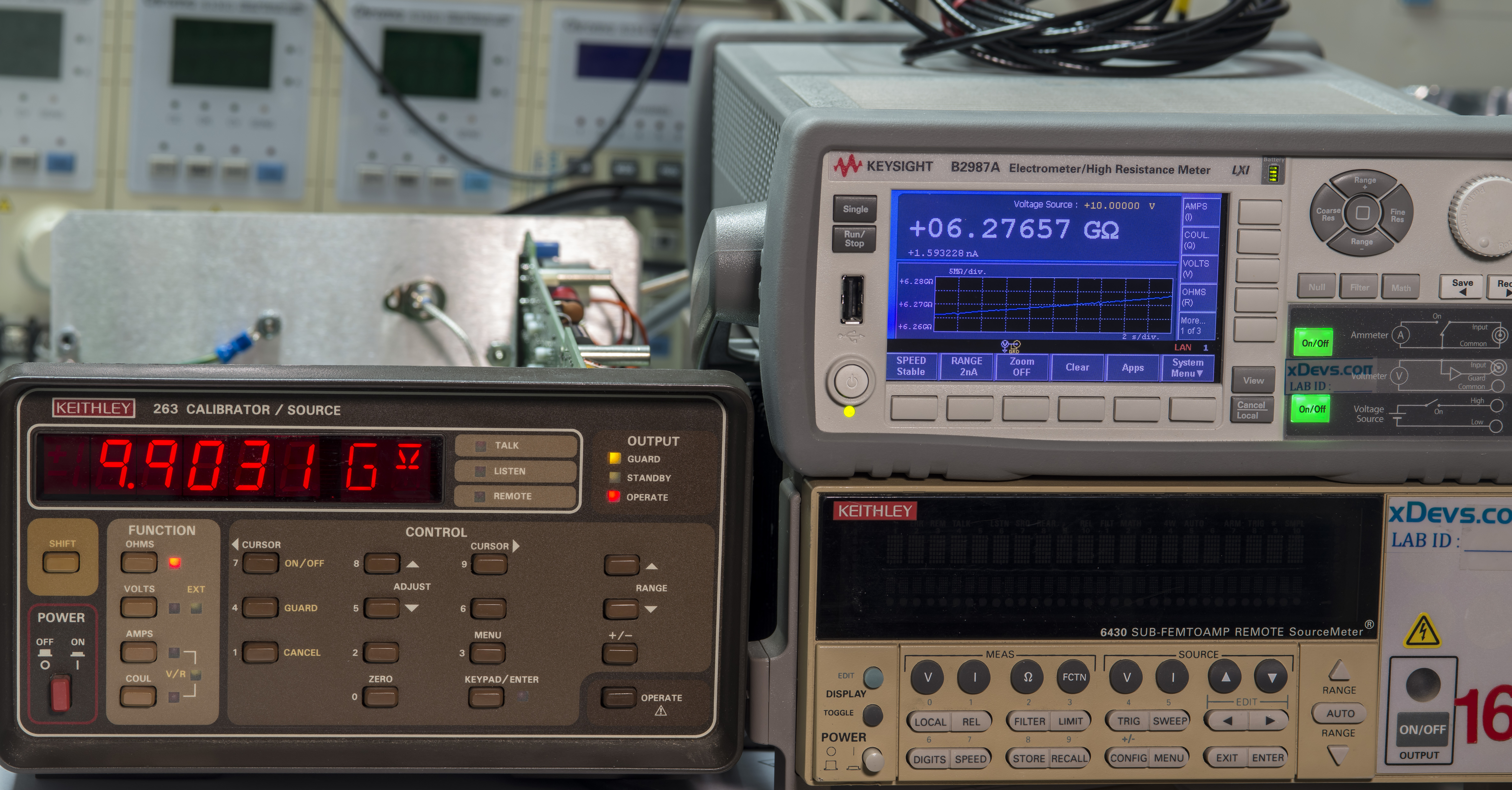
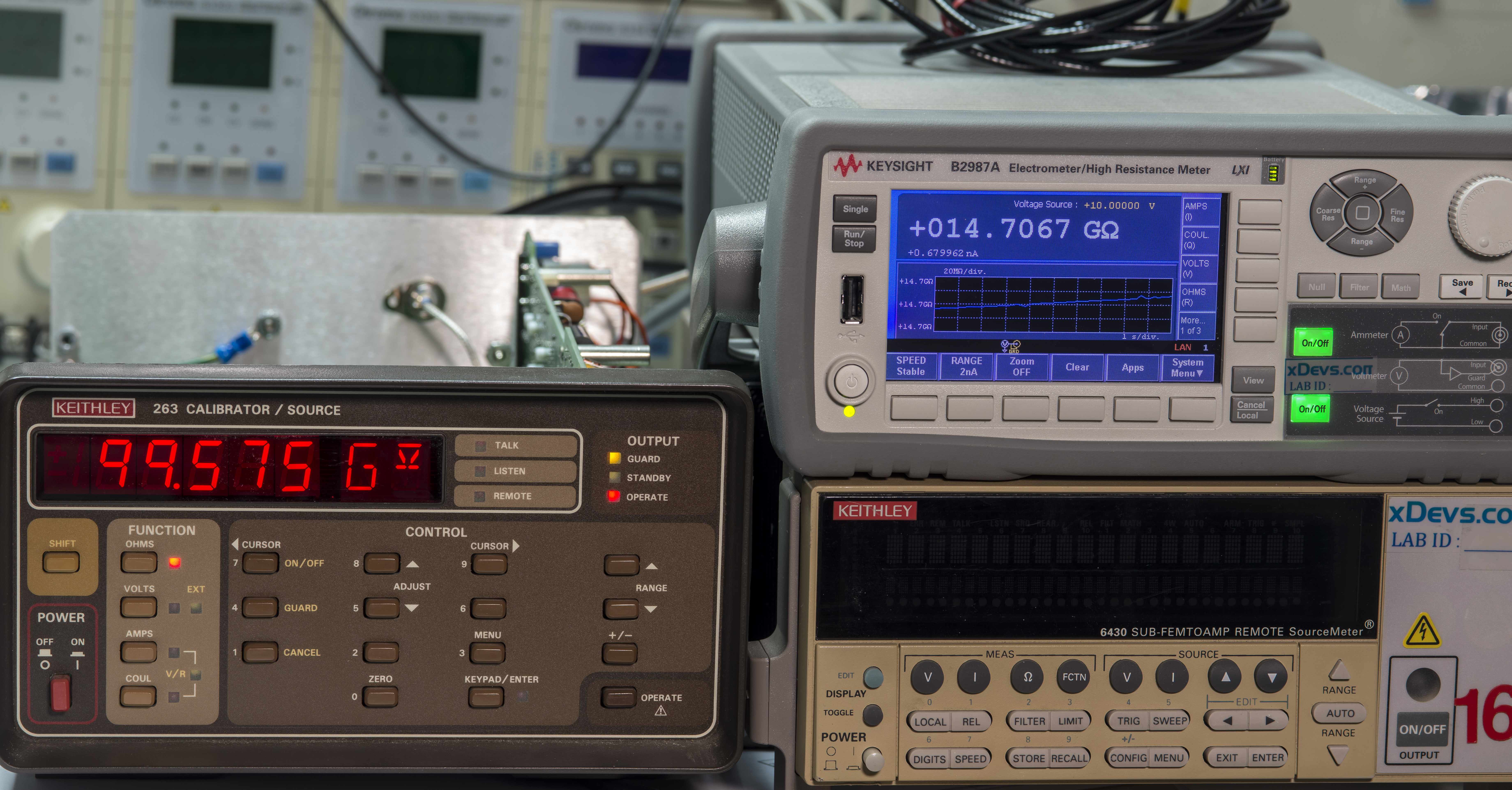
And largest 99.575 GΩ reads as 14.7067 GΩ at 10V. Switching Guard on or off on Keithley 263 does not change the result. These low readings indicate excessive leakage or parasitic resistance in the analog output circuitry.
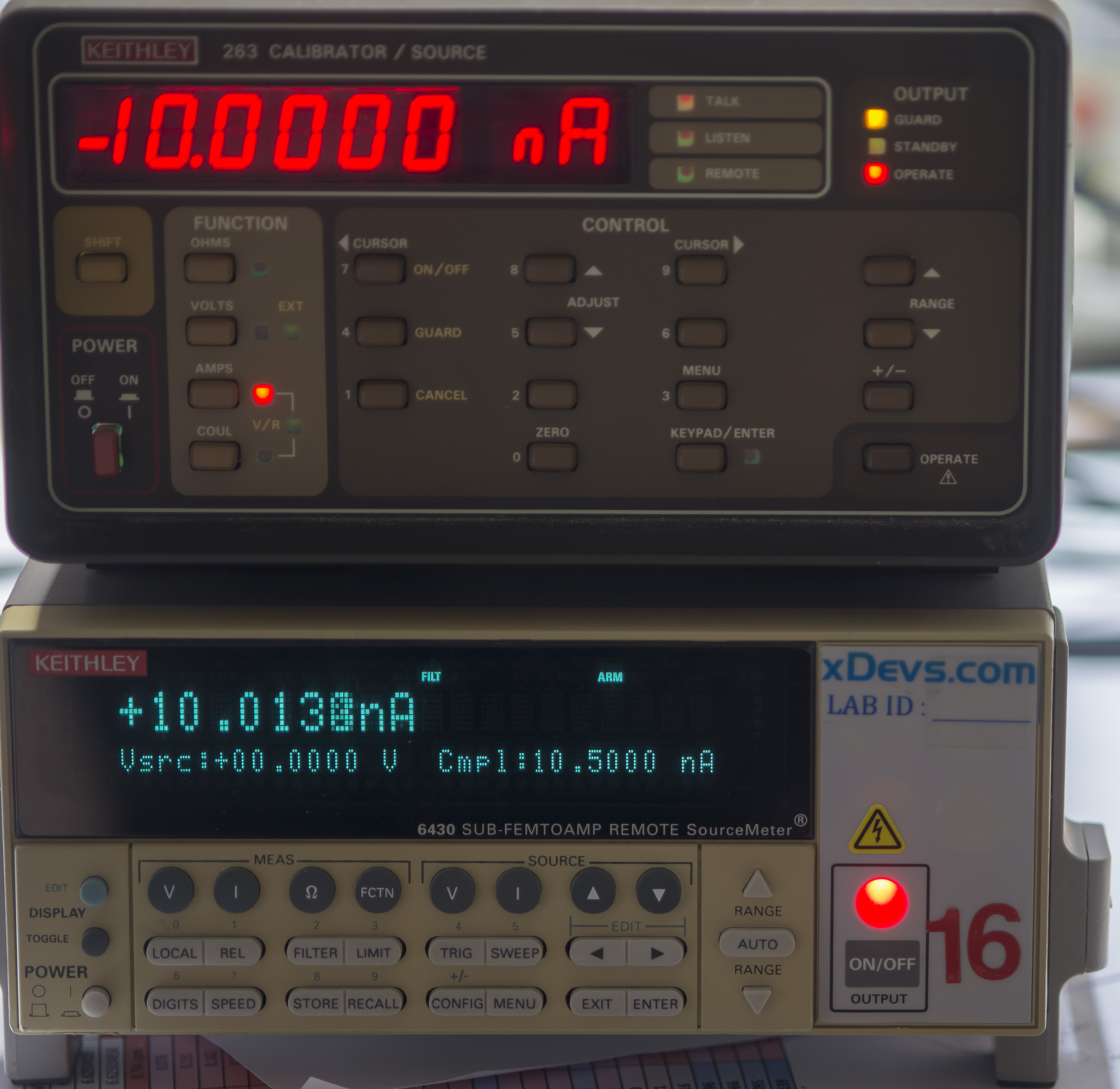
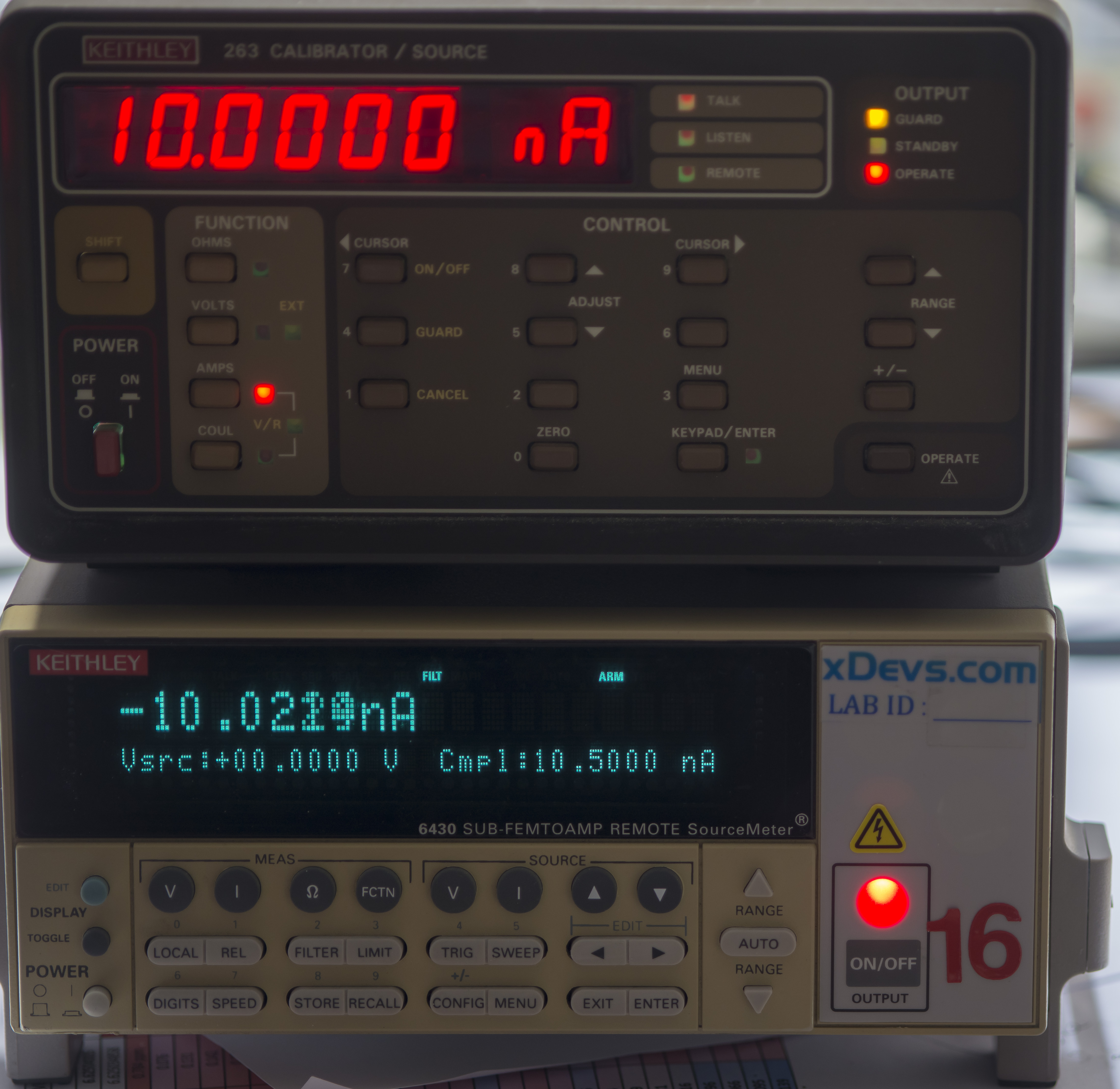
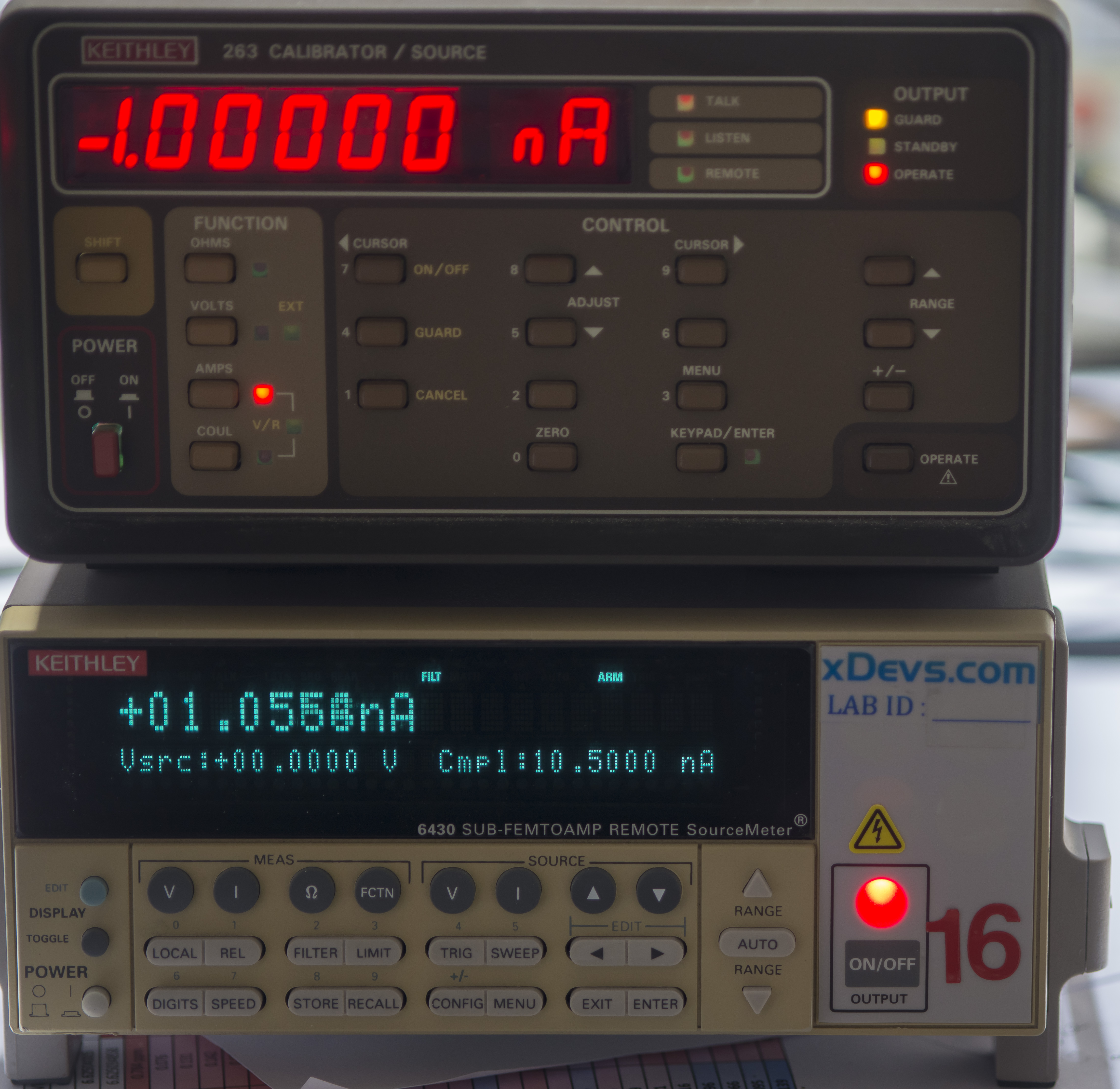
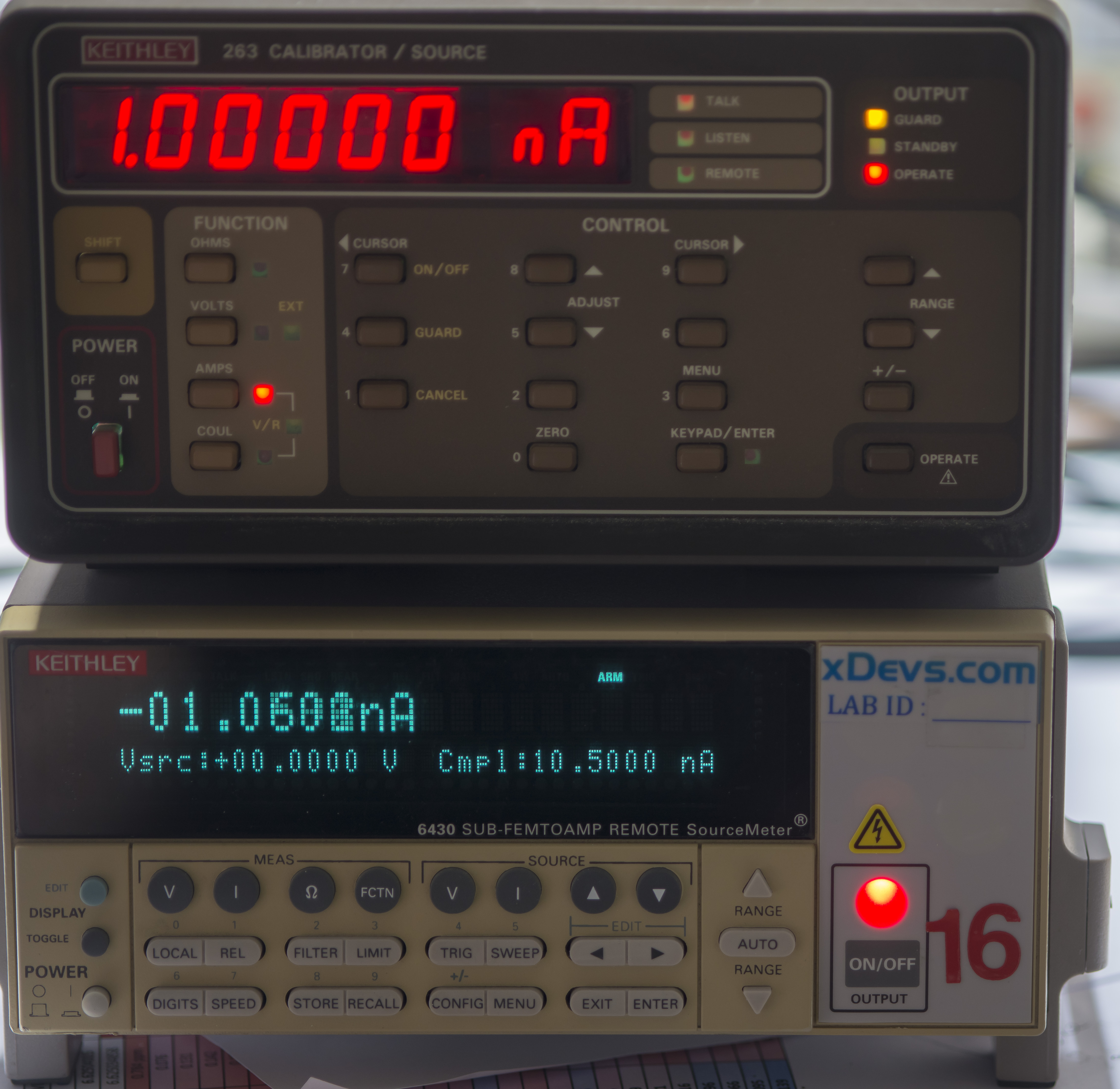
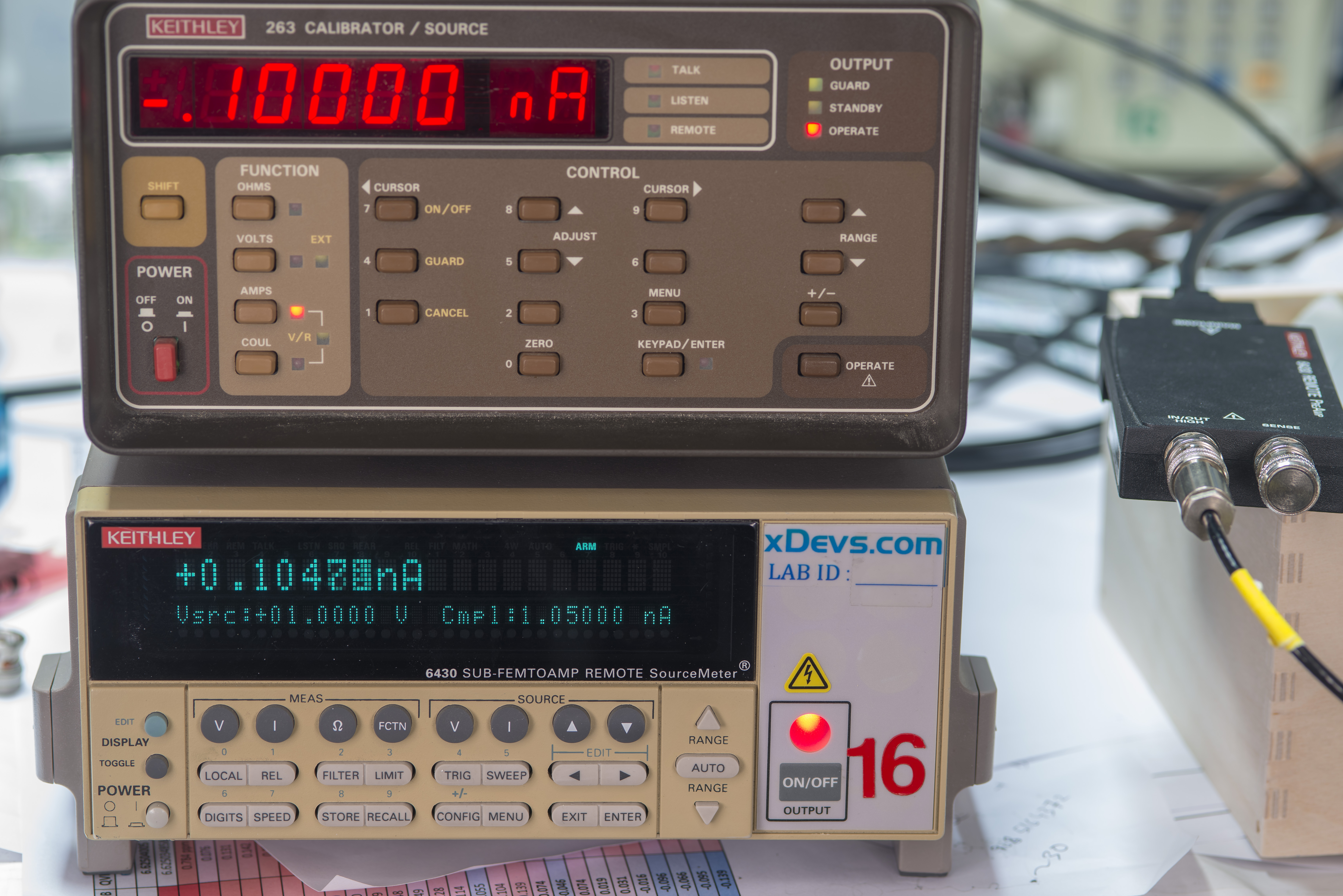
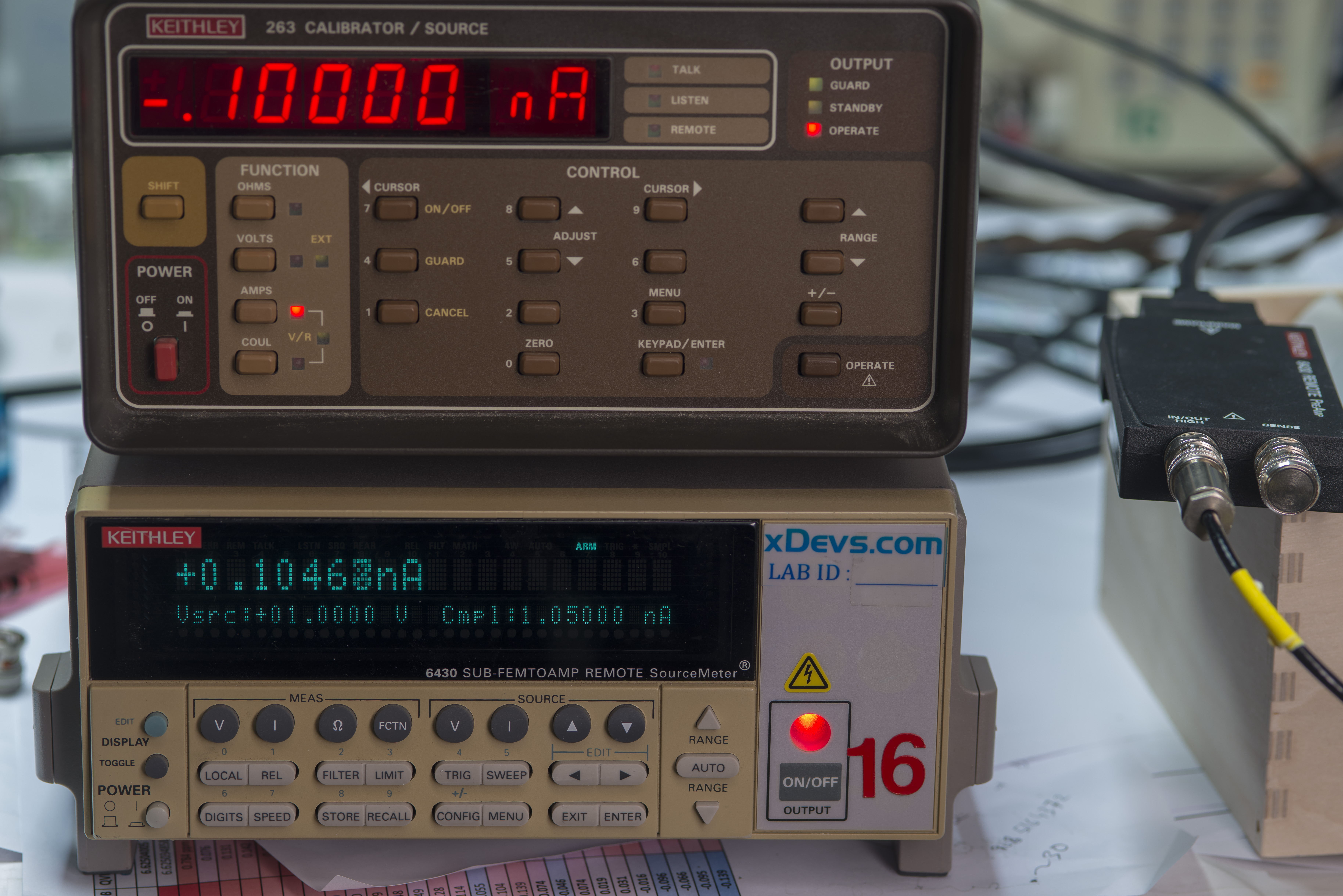
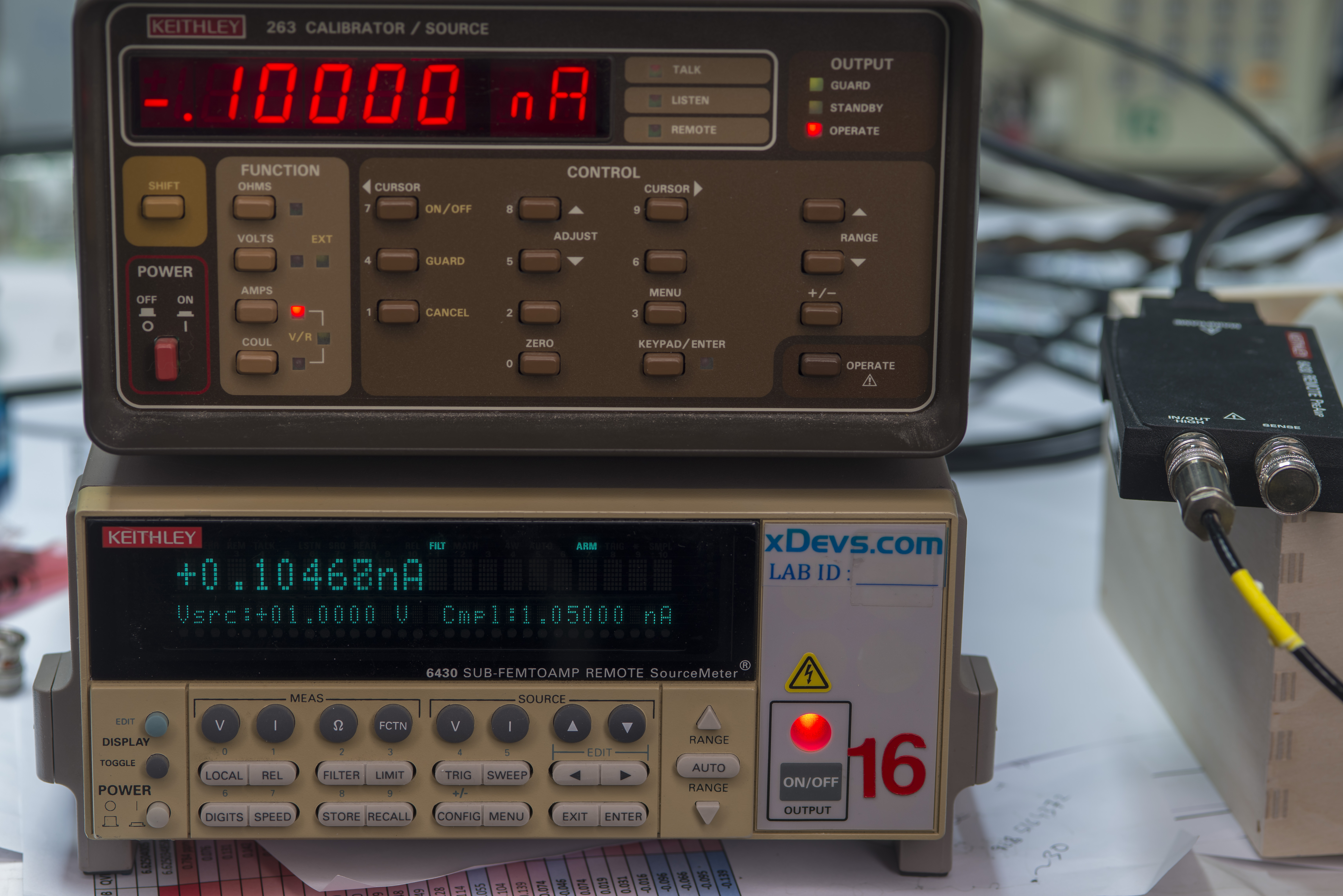
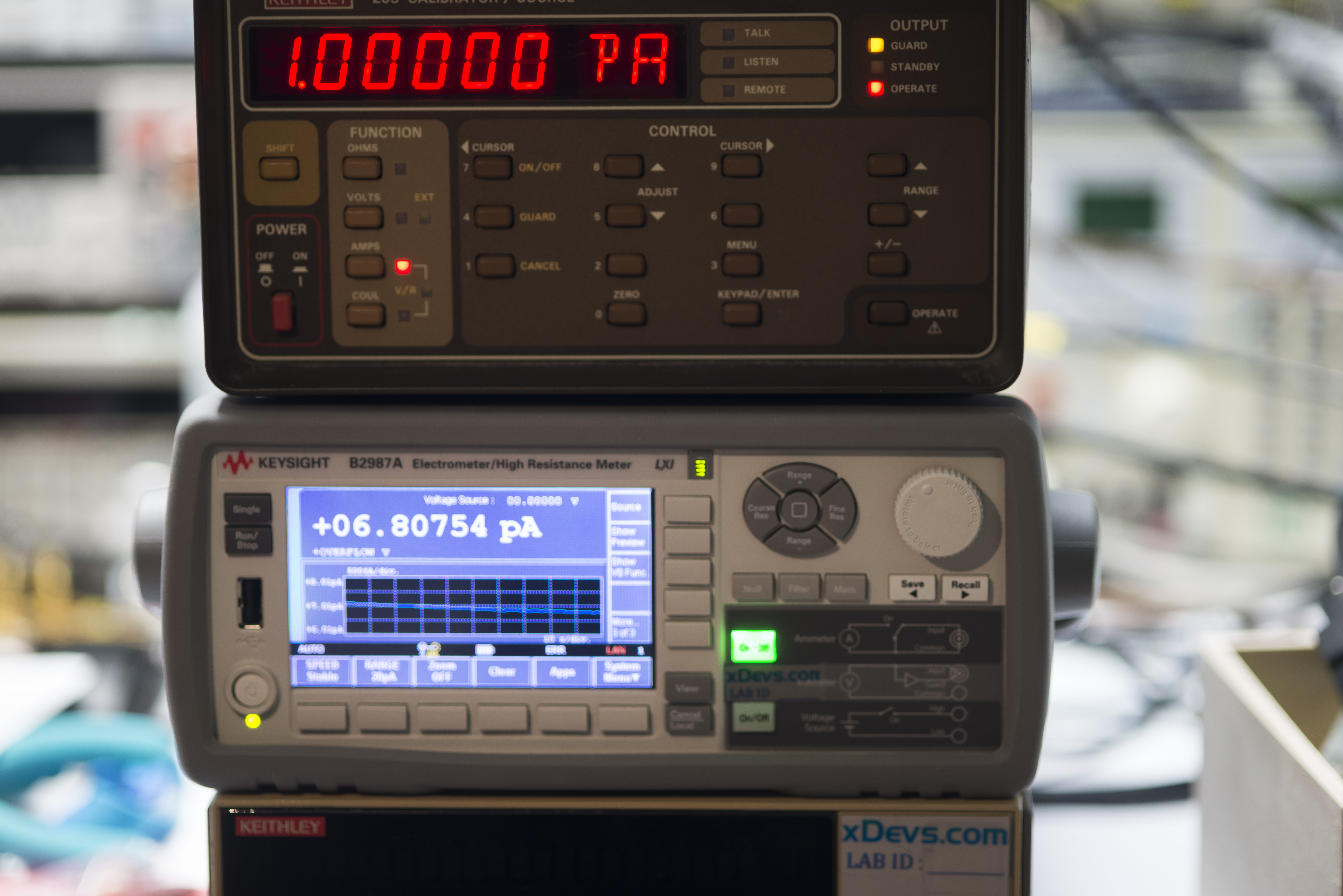
Similar issues are also present on the low current ranges below 10 nA as well, with incorrect readings.
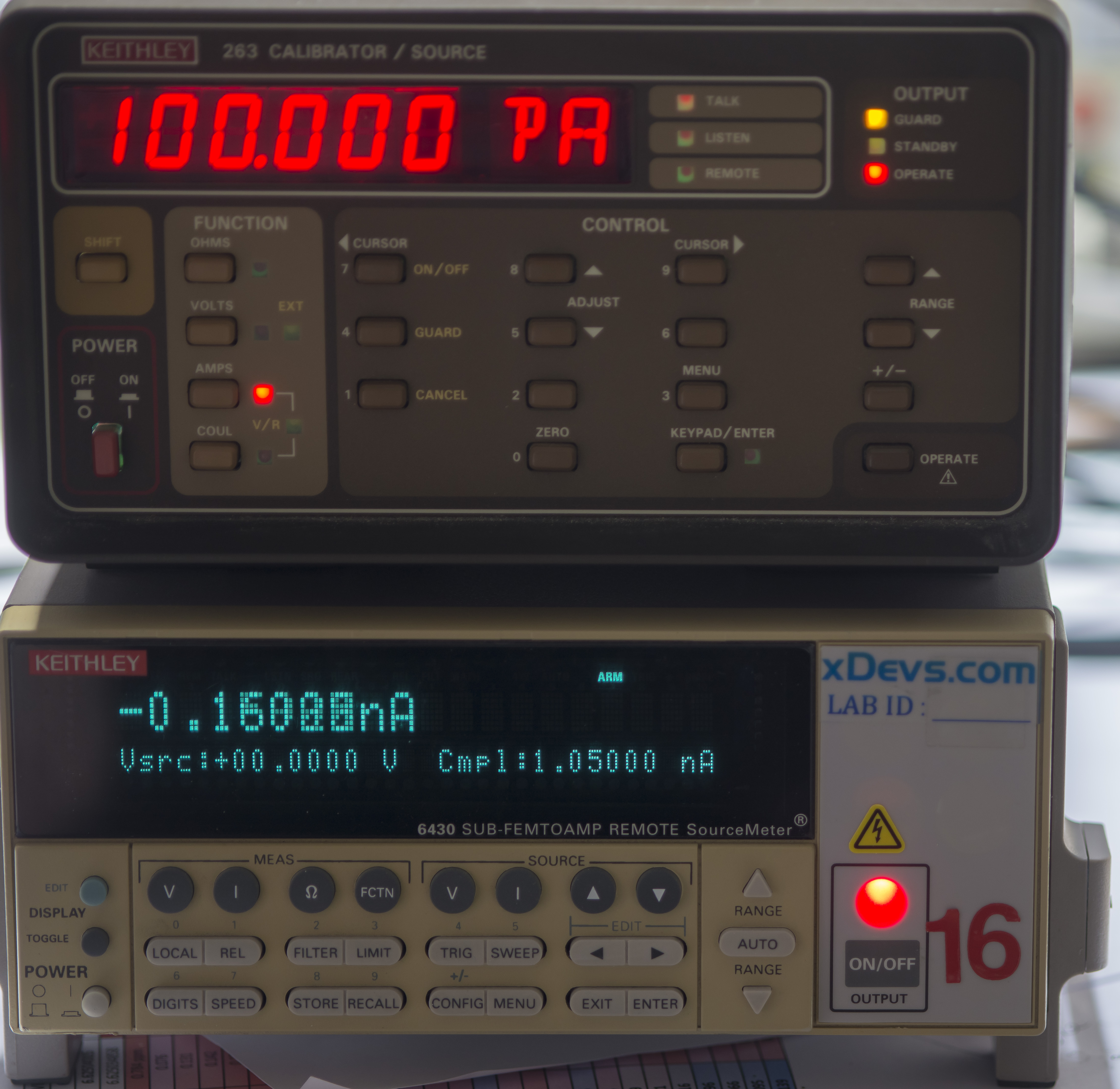
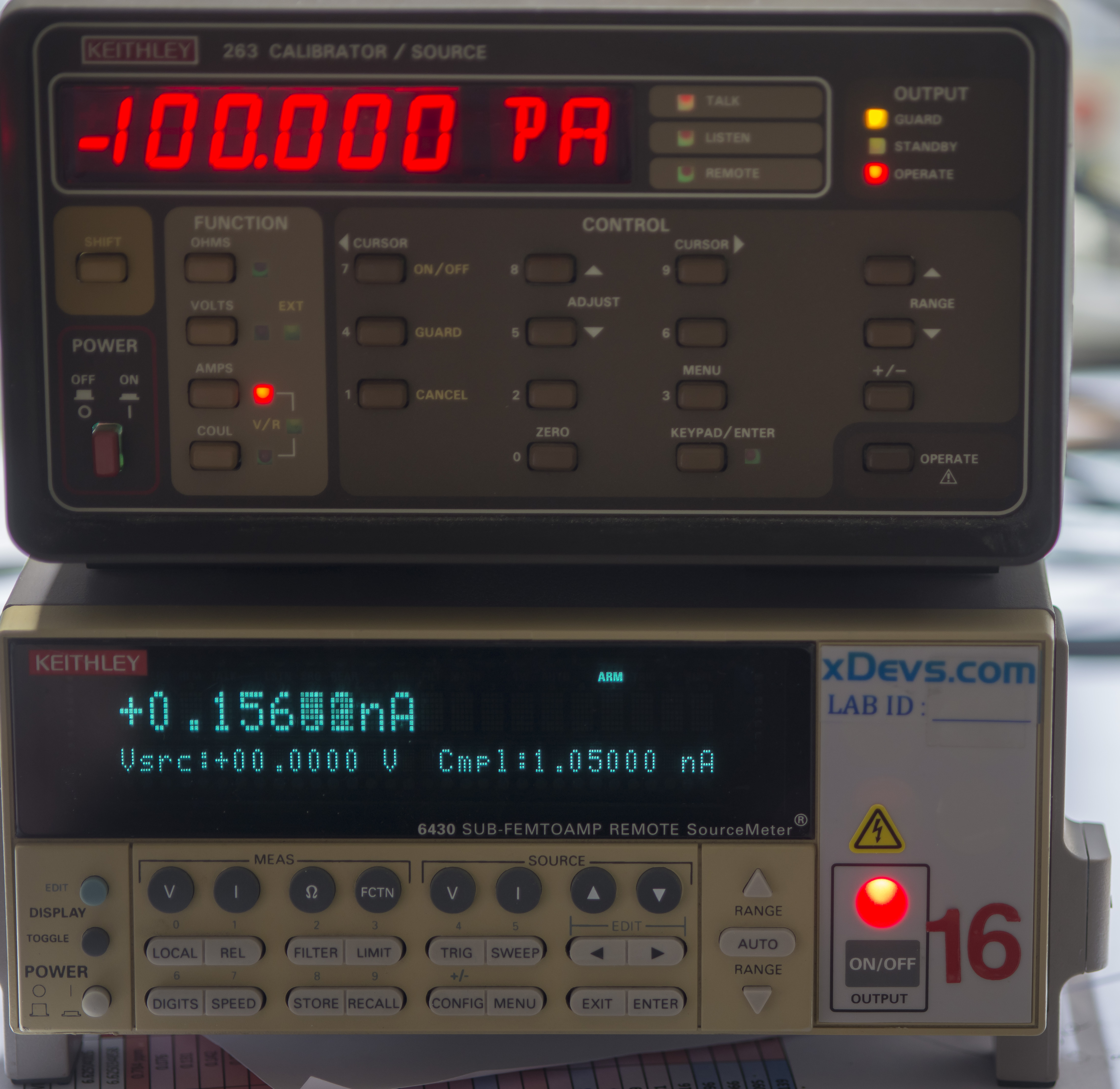
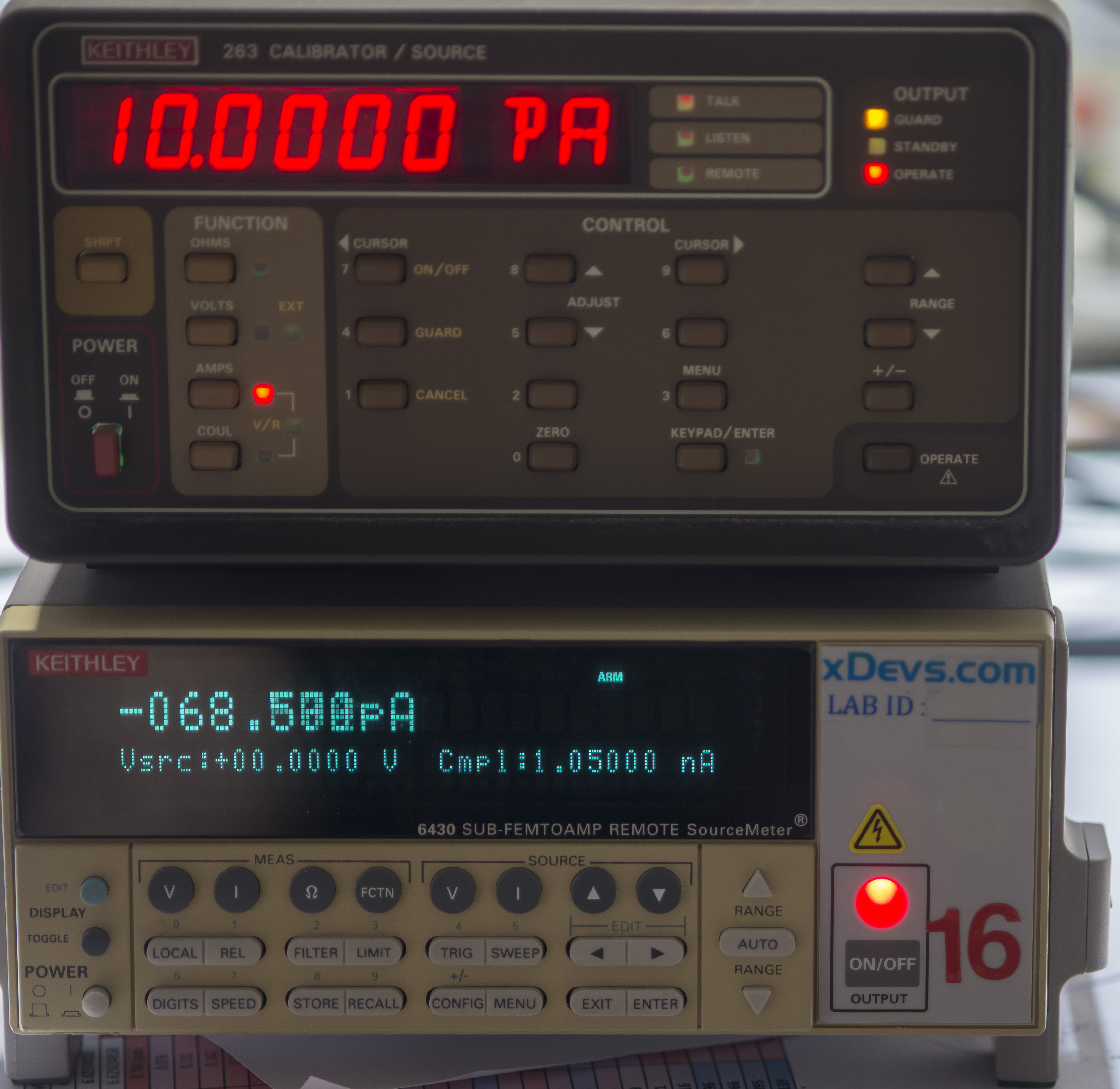
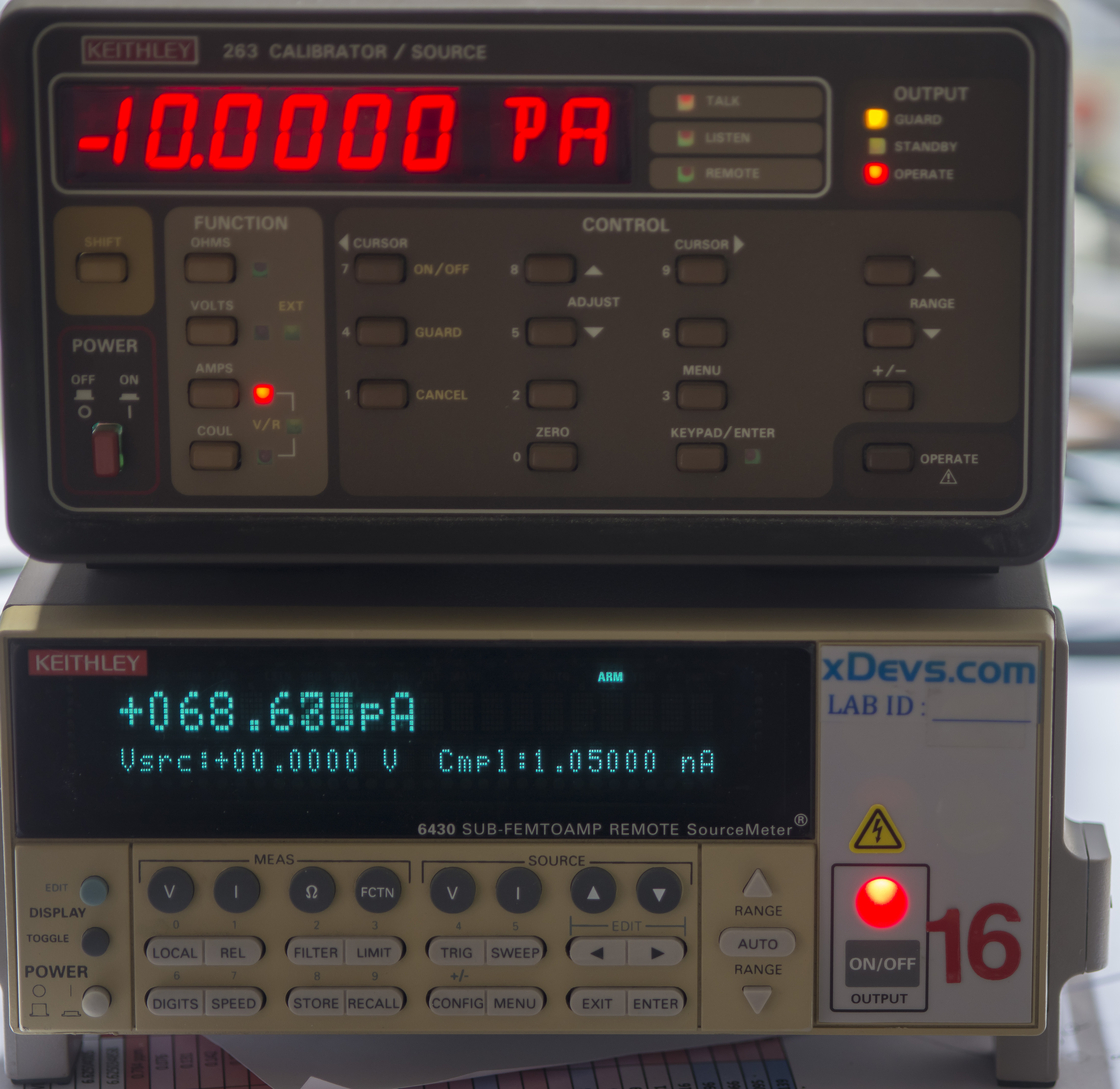
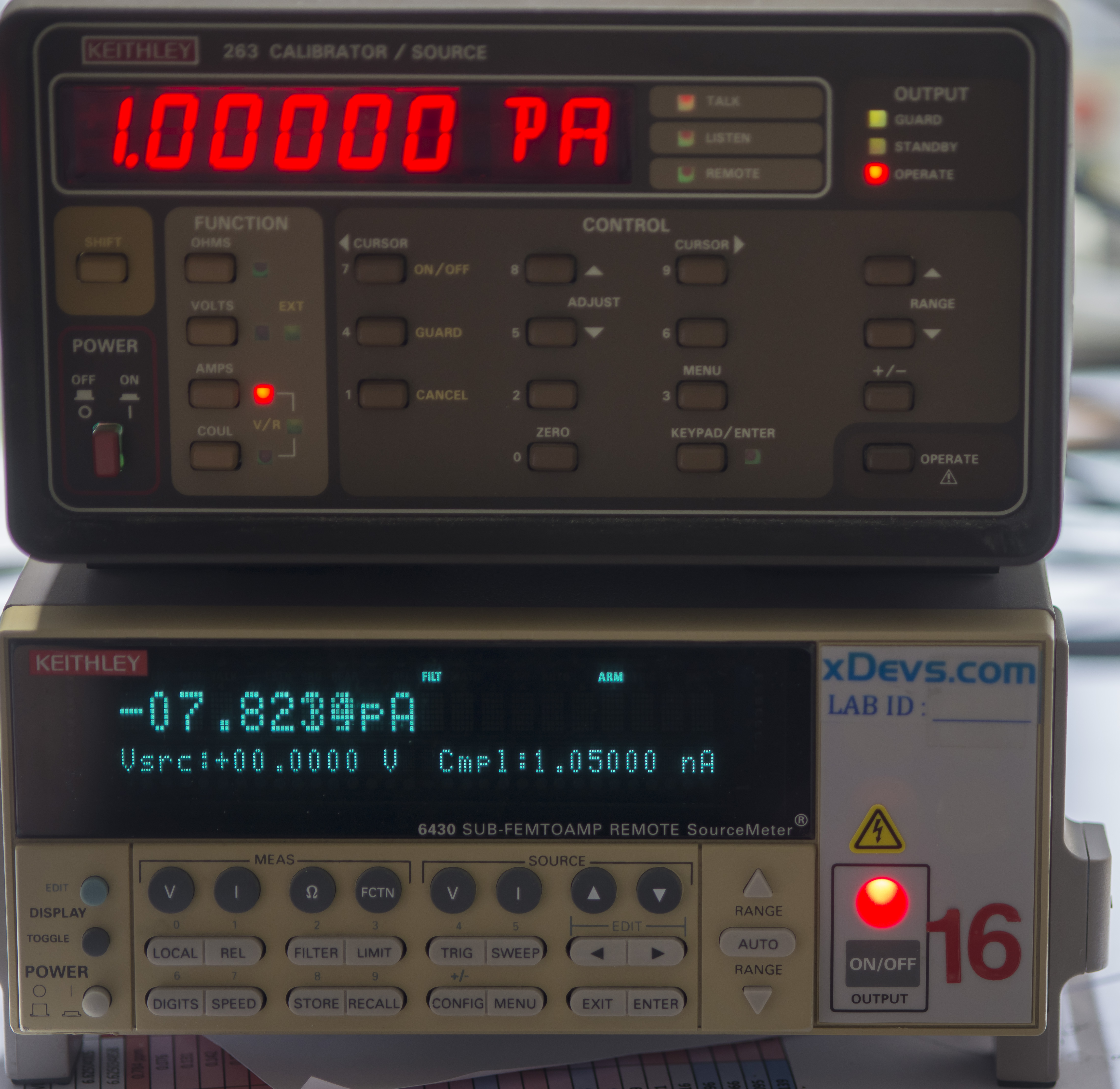
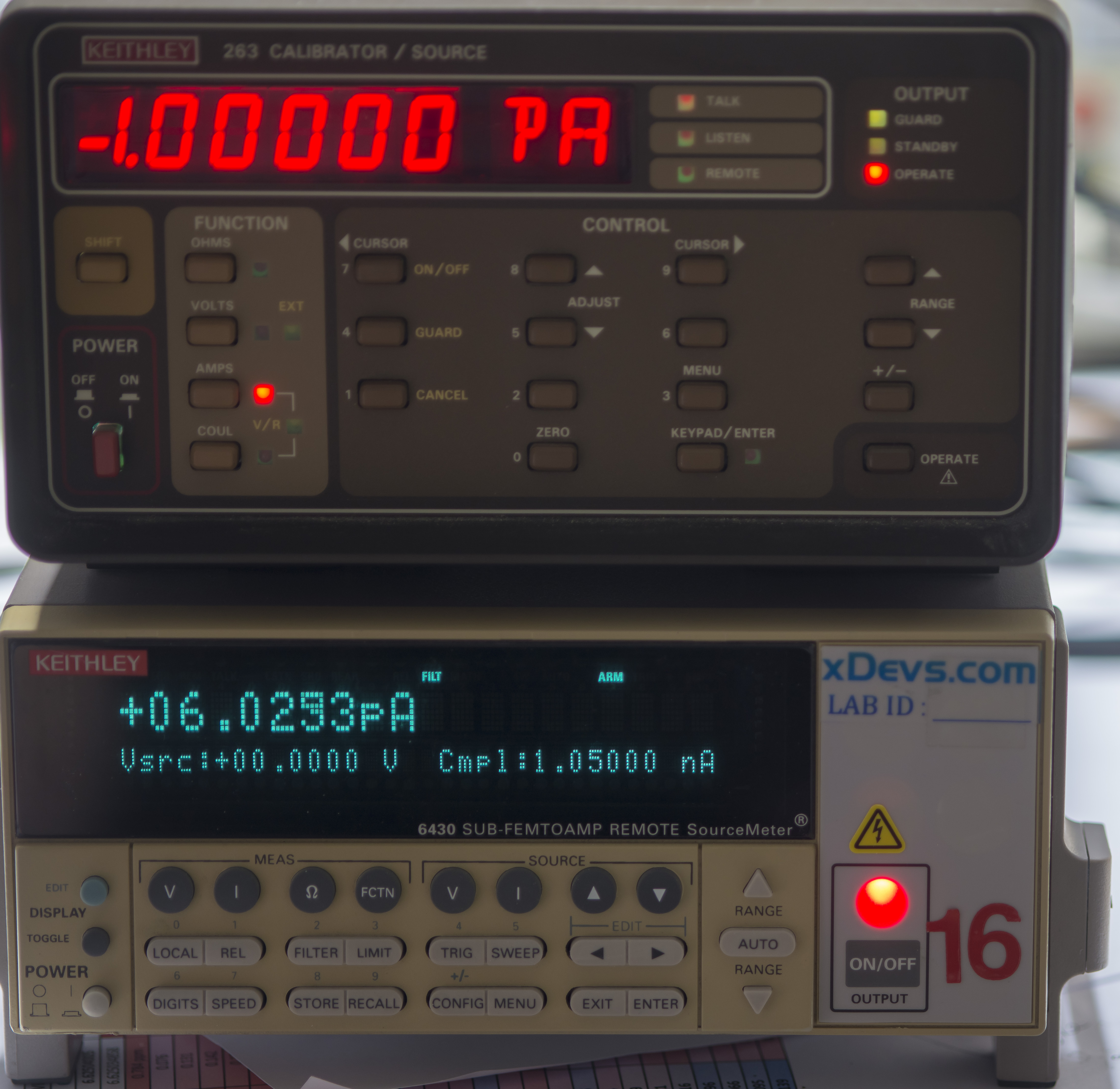
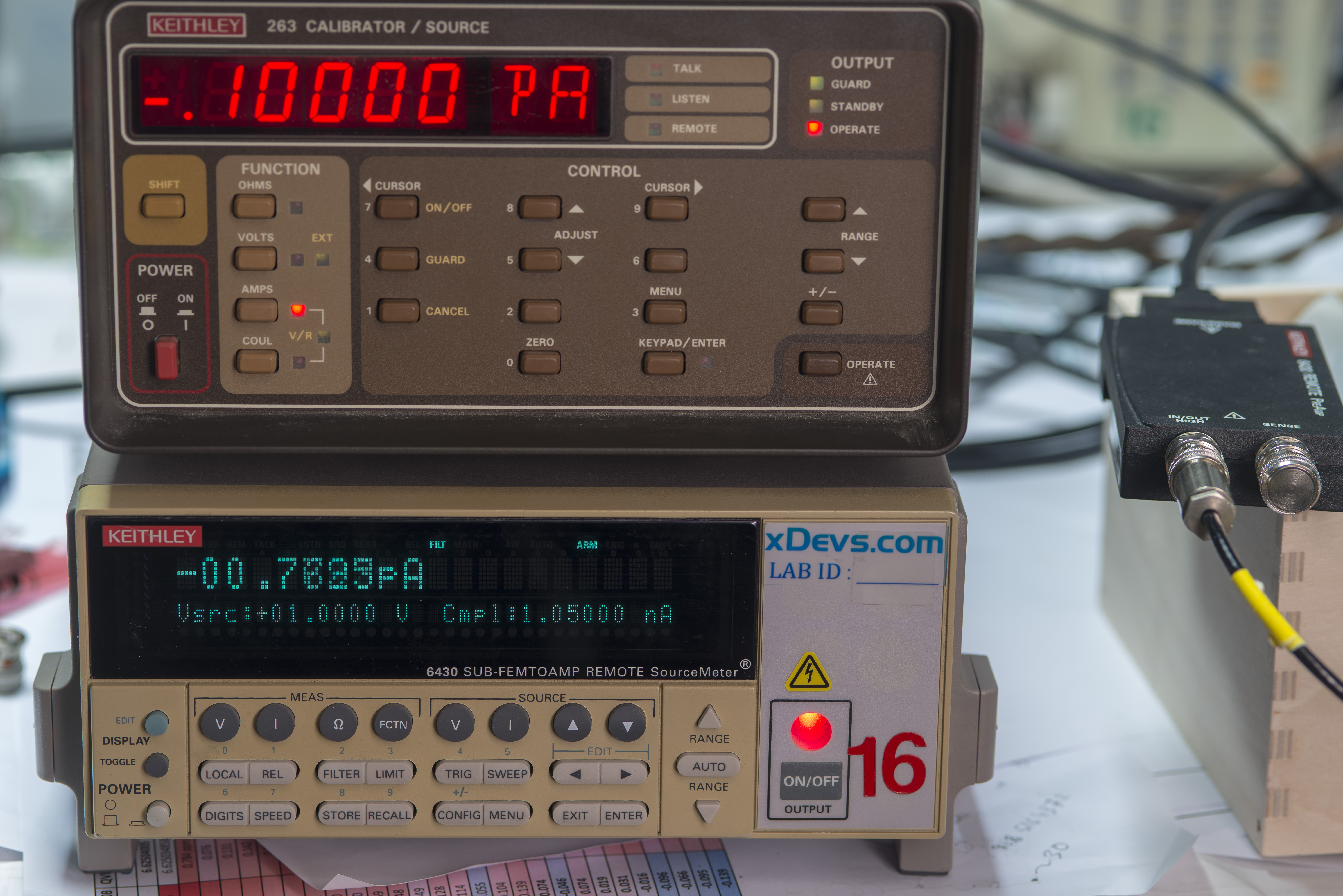
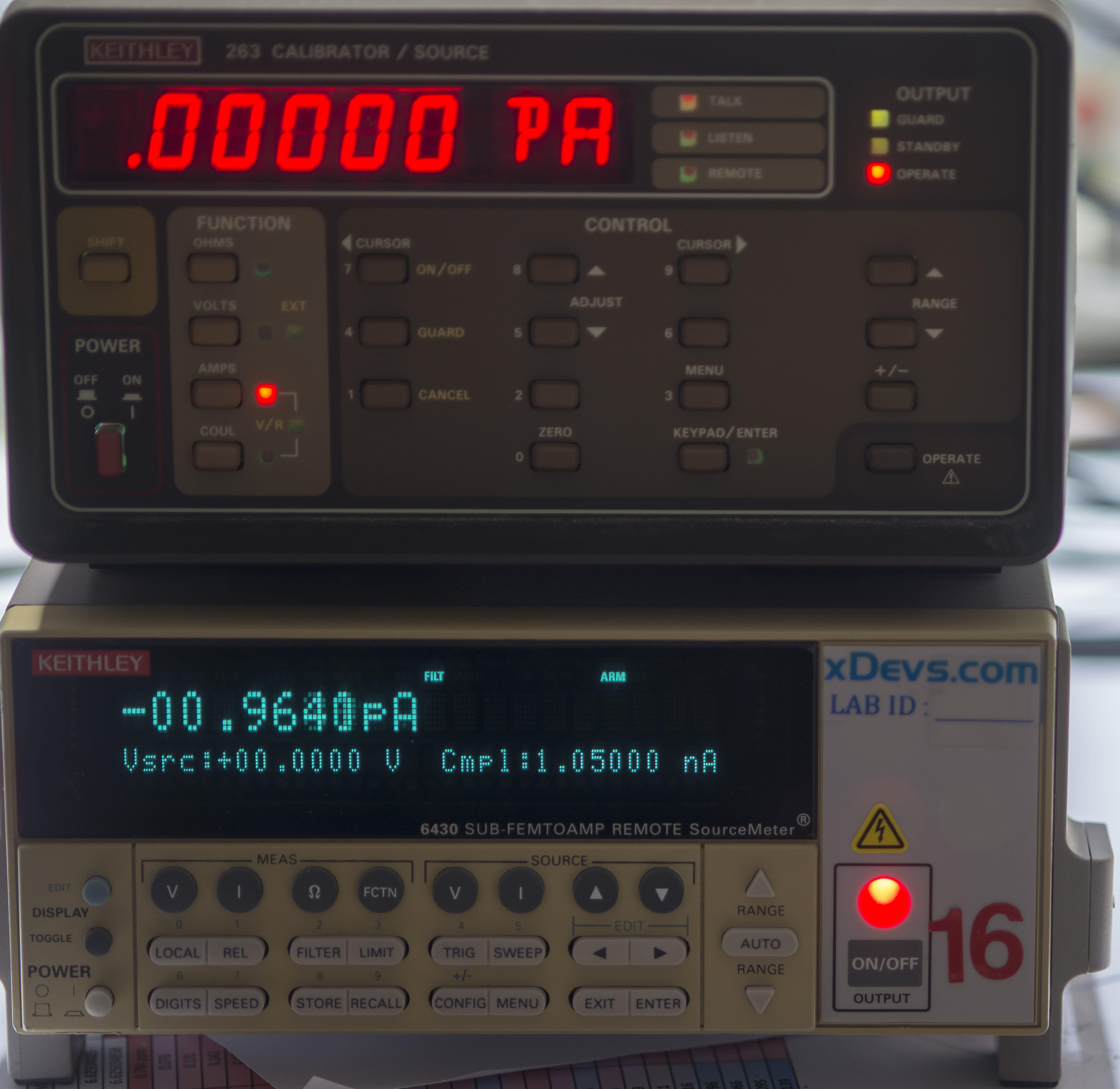
100 GΩ resistor desoldered from the board was tested good with voltage levels 10 V and 100 V. Measurement result for unshielded resistor measurement : 100.372 GΩ well in expected spec.
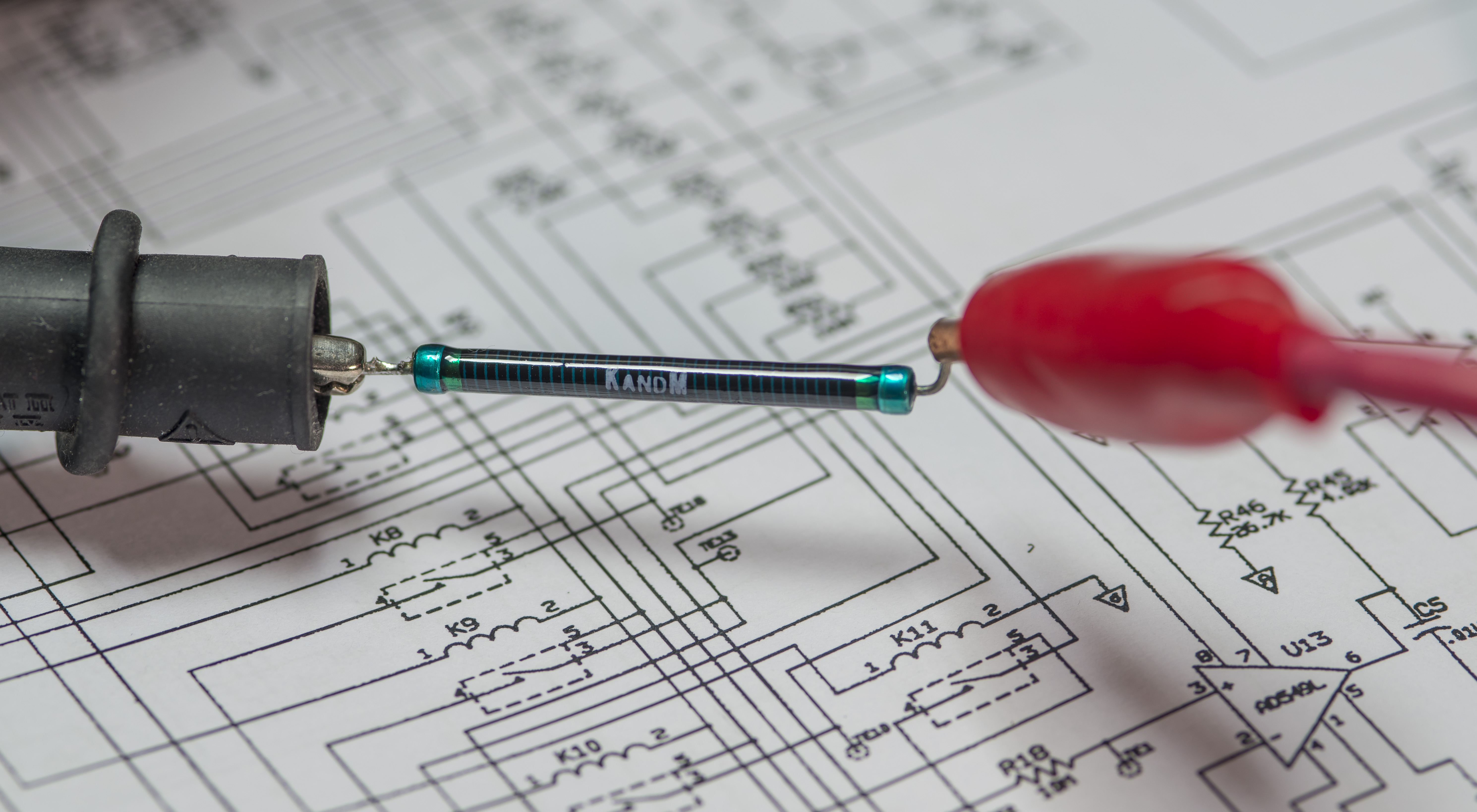
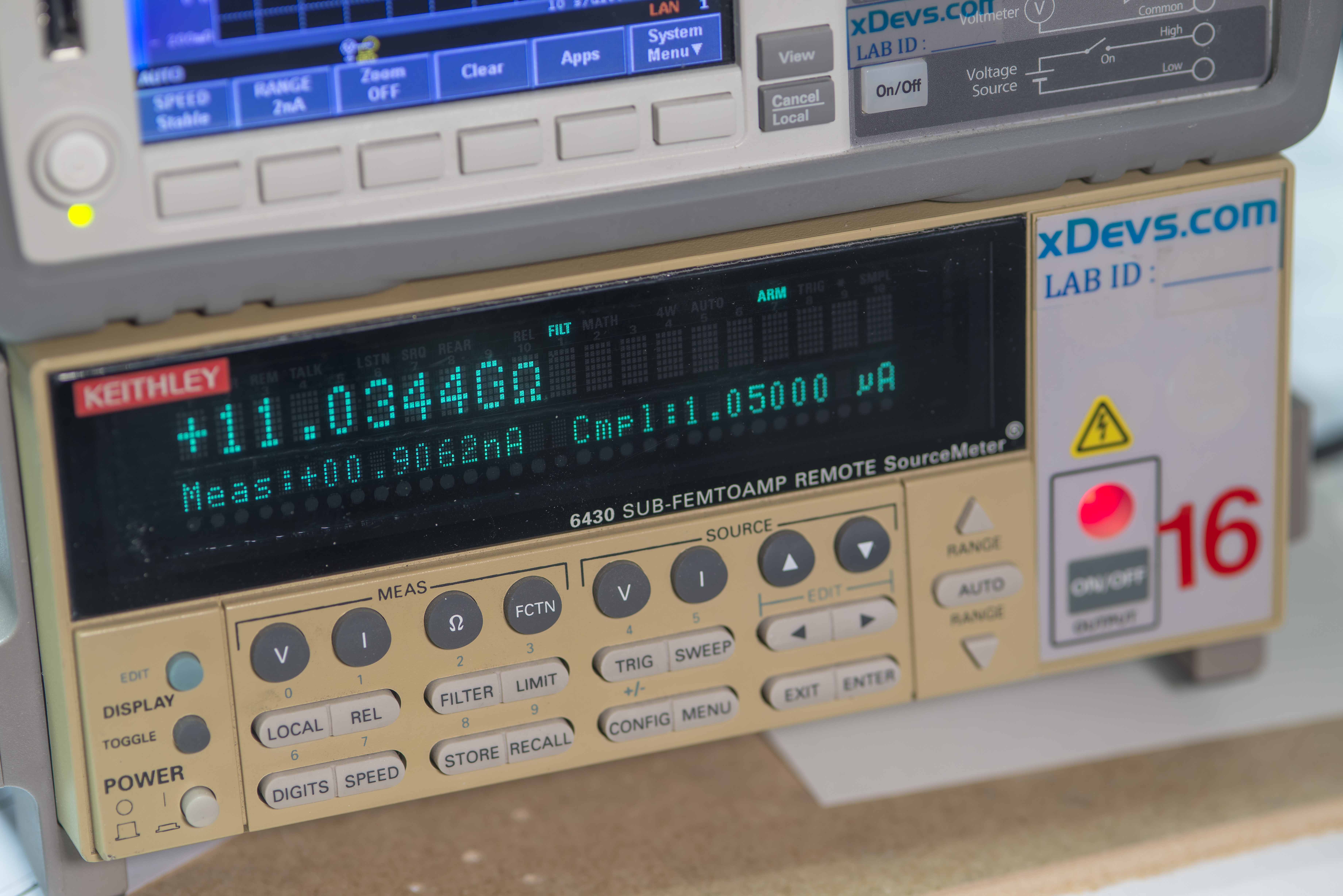
For test I’ve used Keithley 6430 with 1 nA measured current.
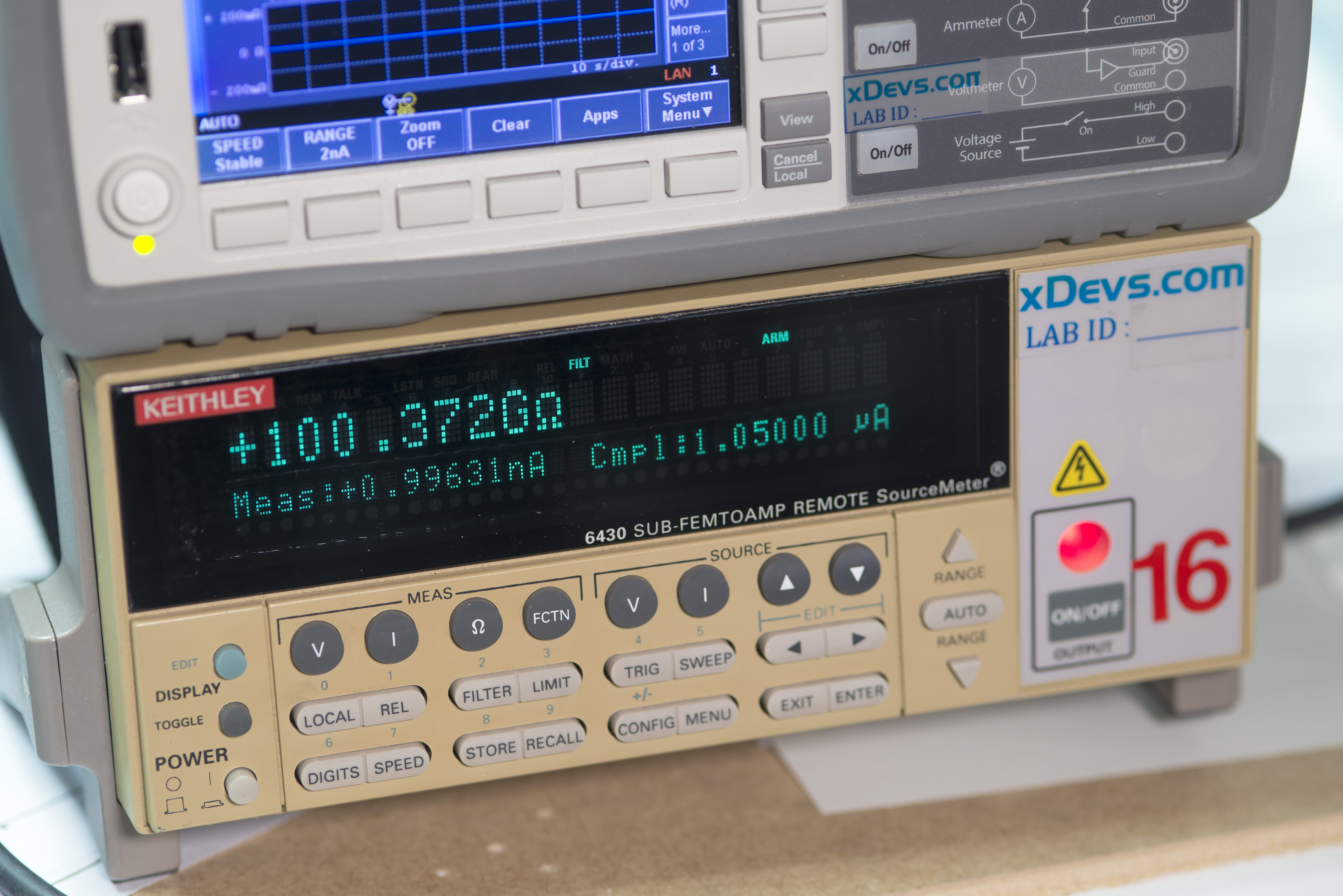
Lifting one side of 11.1 GΩ also confirmed good reading 11.0344 GΩ at 10 V.
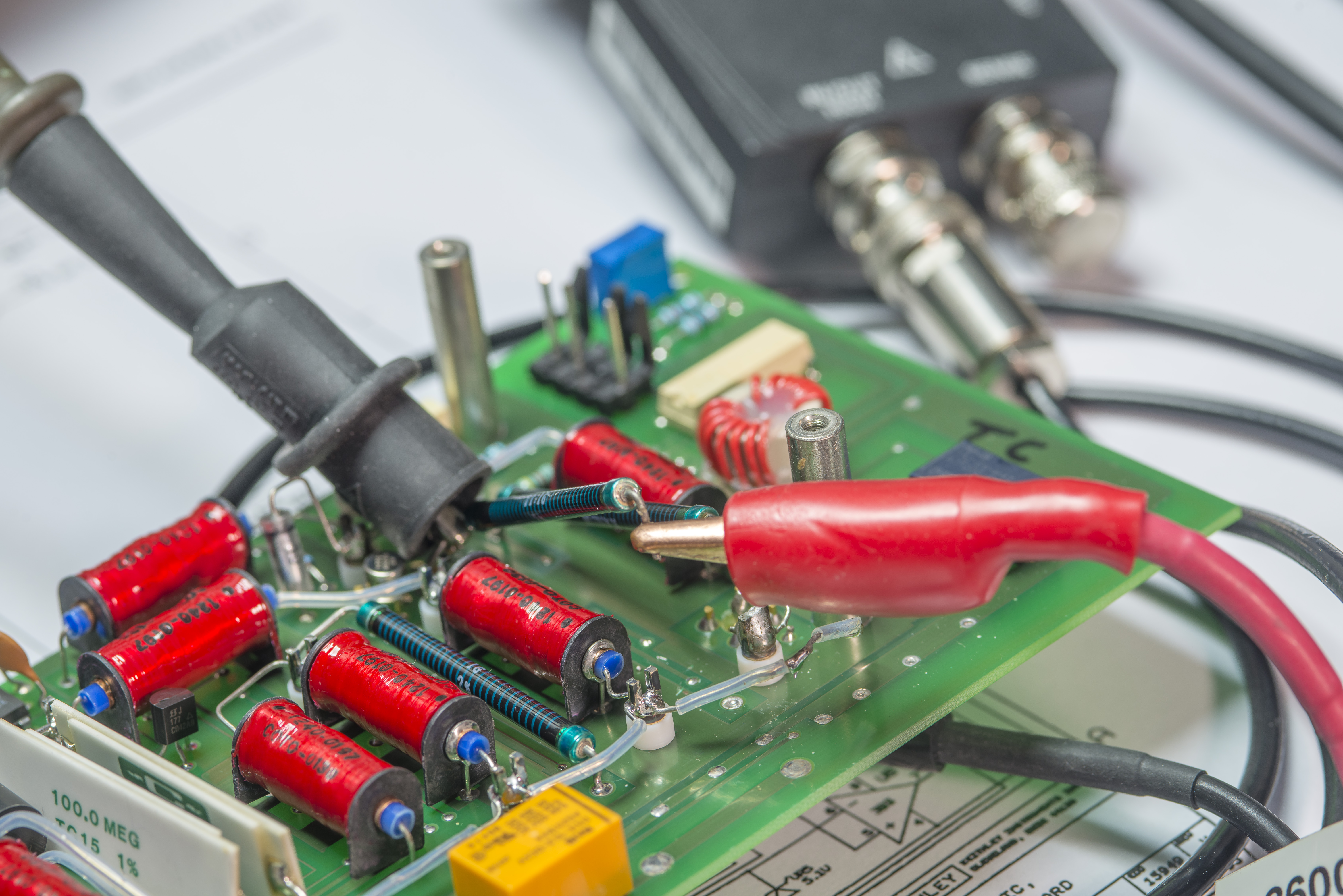
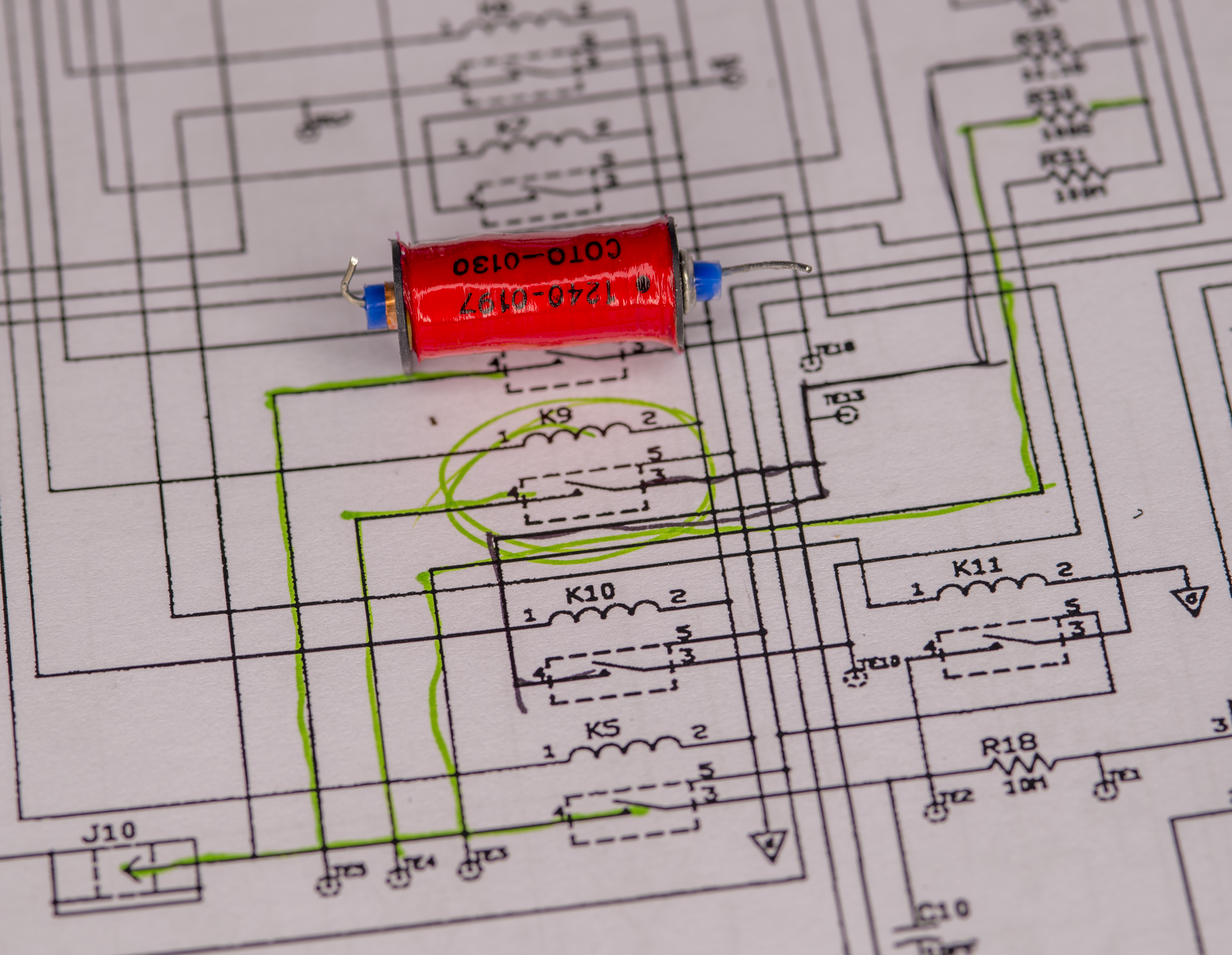
Fault was narrowed down to K9 COTO reed relay leakage and after replacement with similar COTO relay instrument started to behave much better.
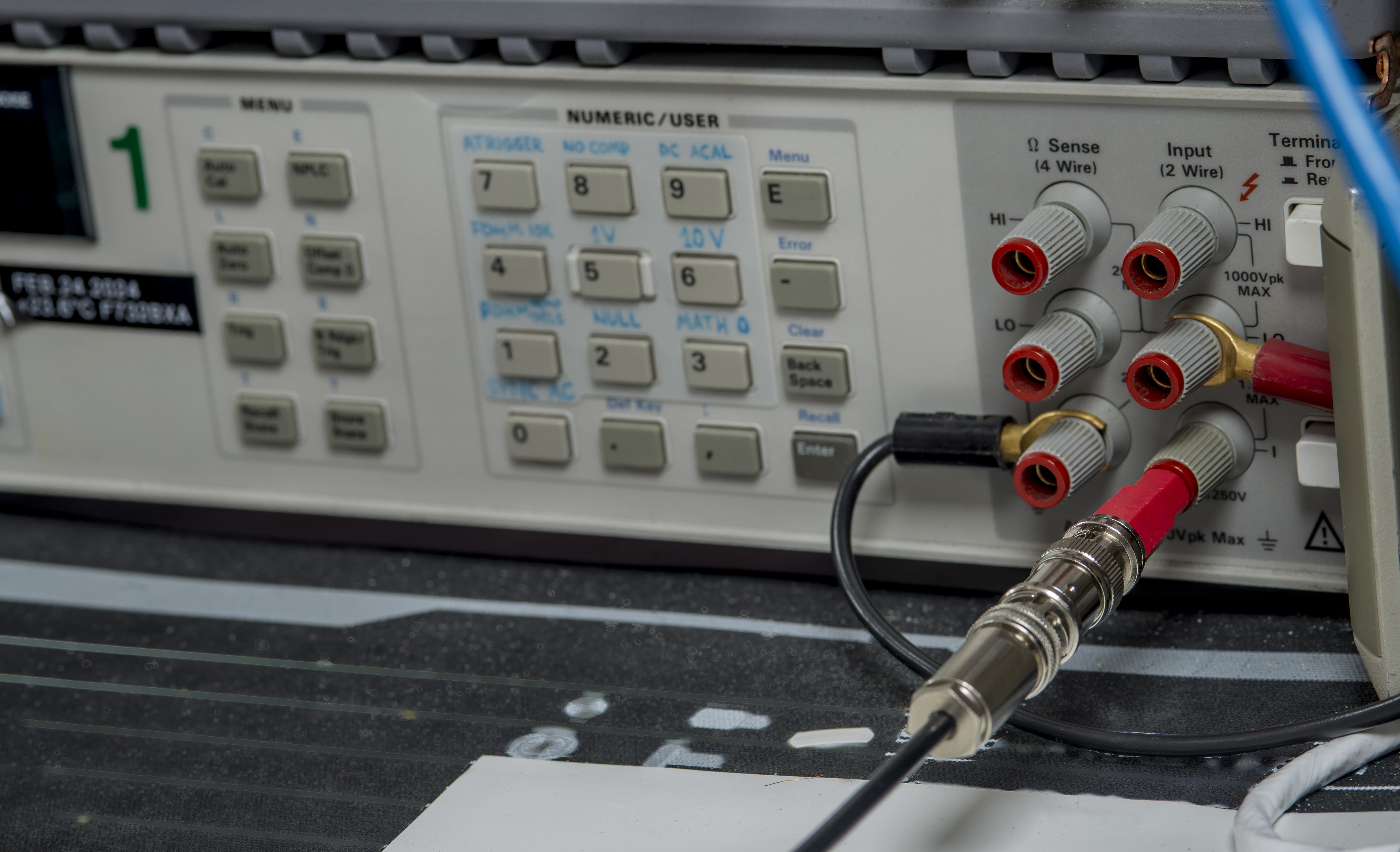
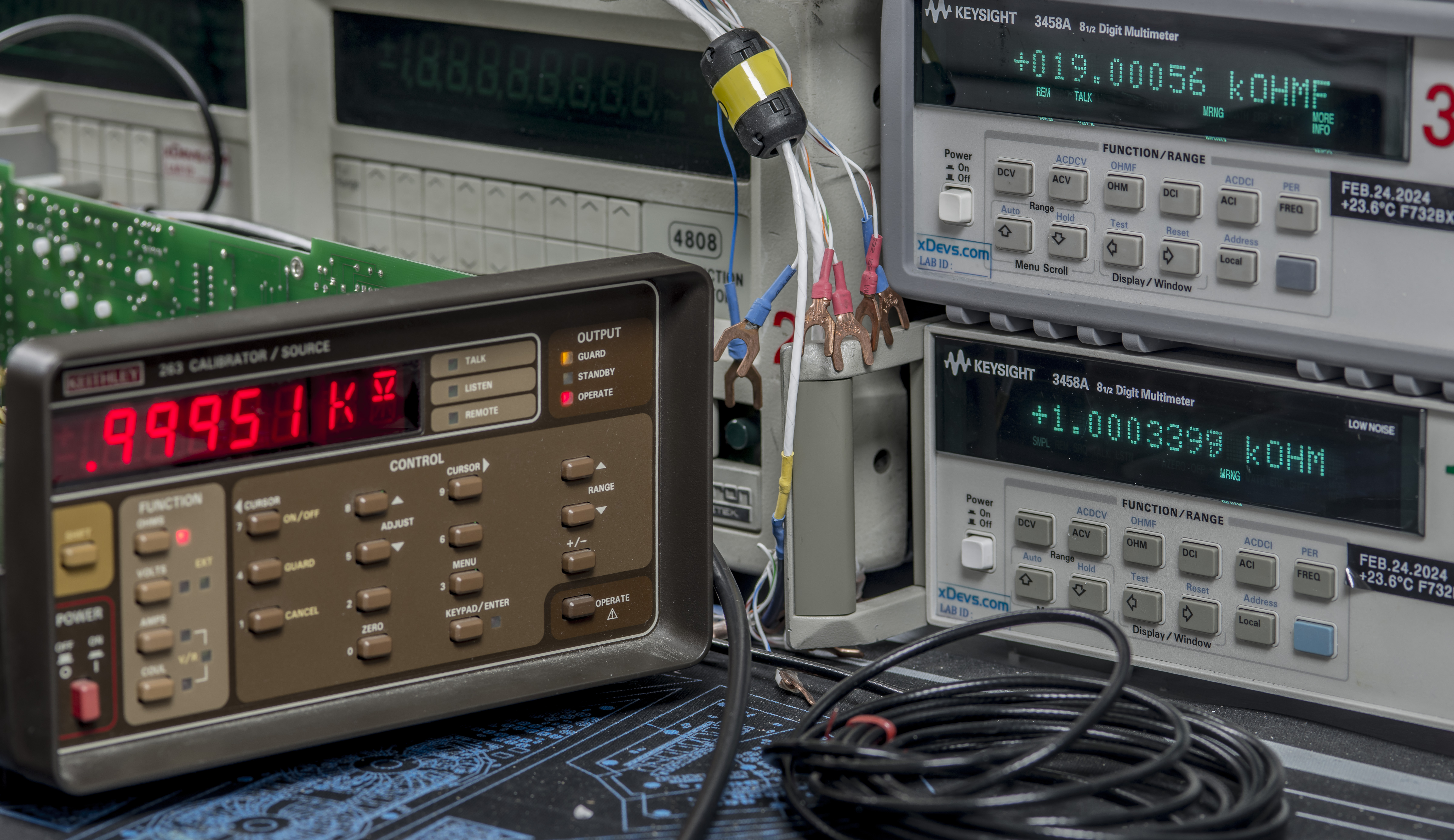
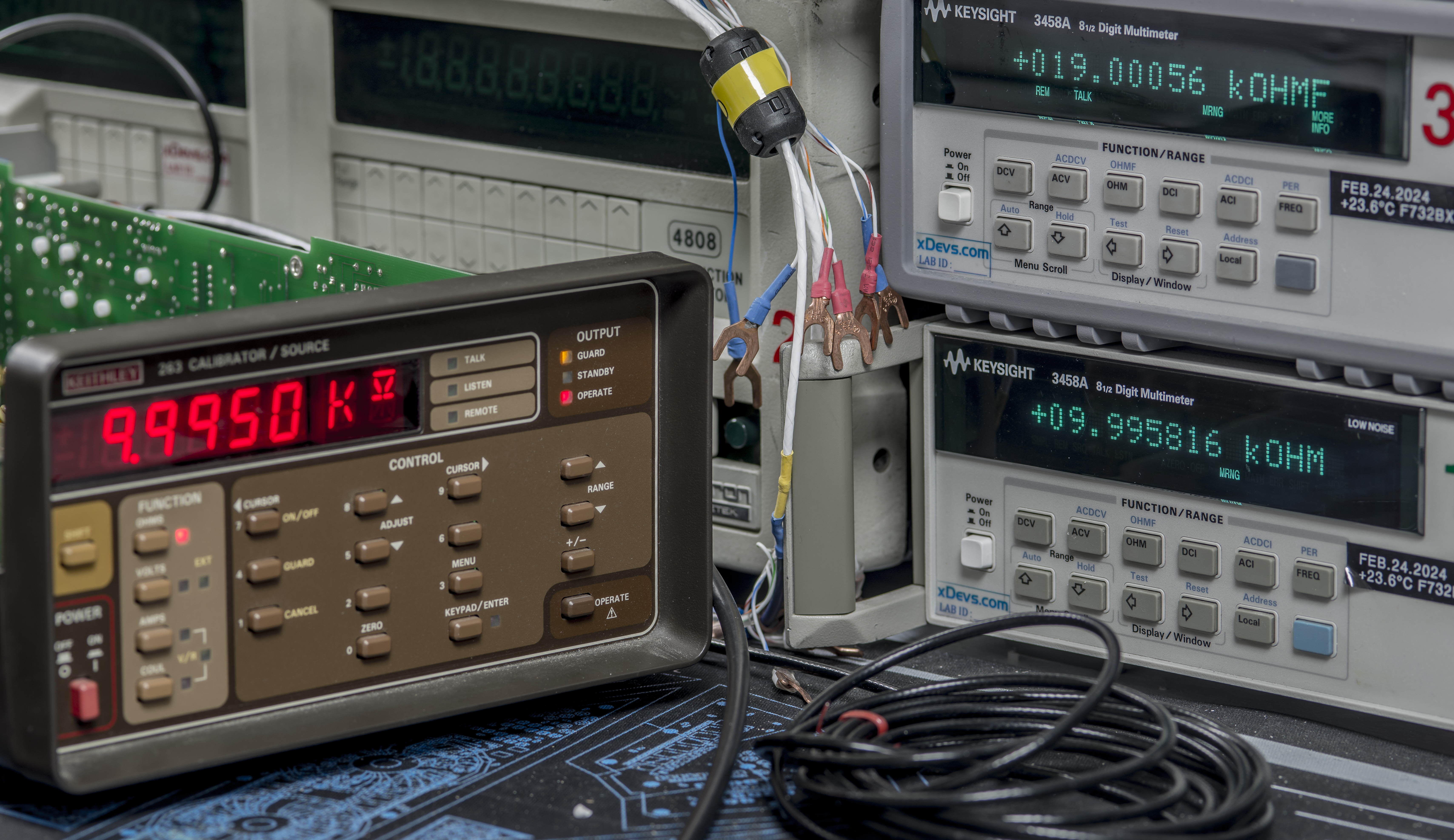
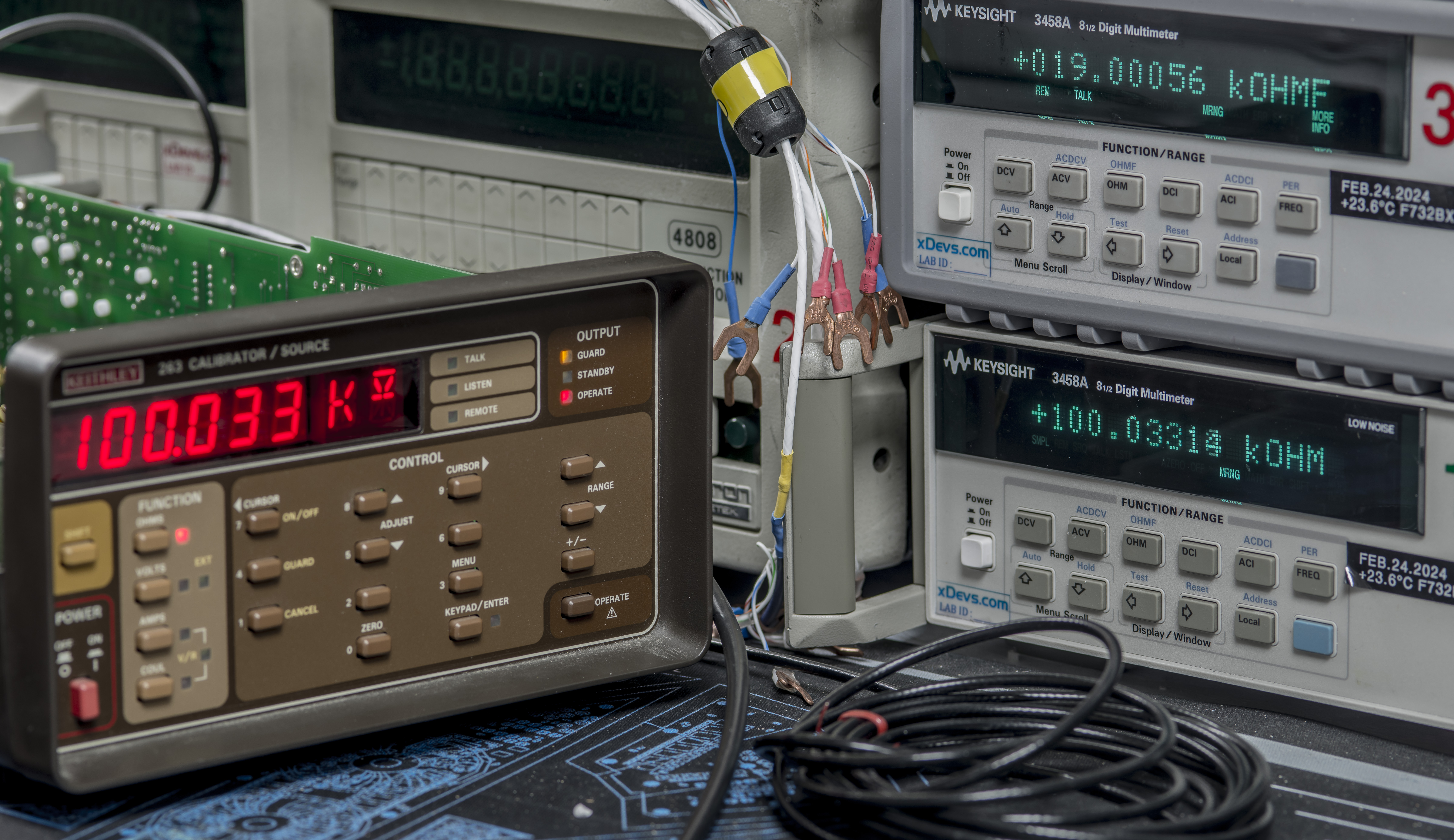
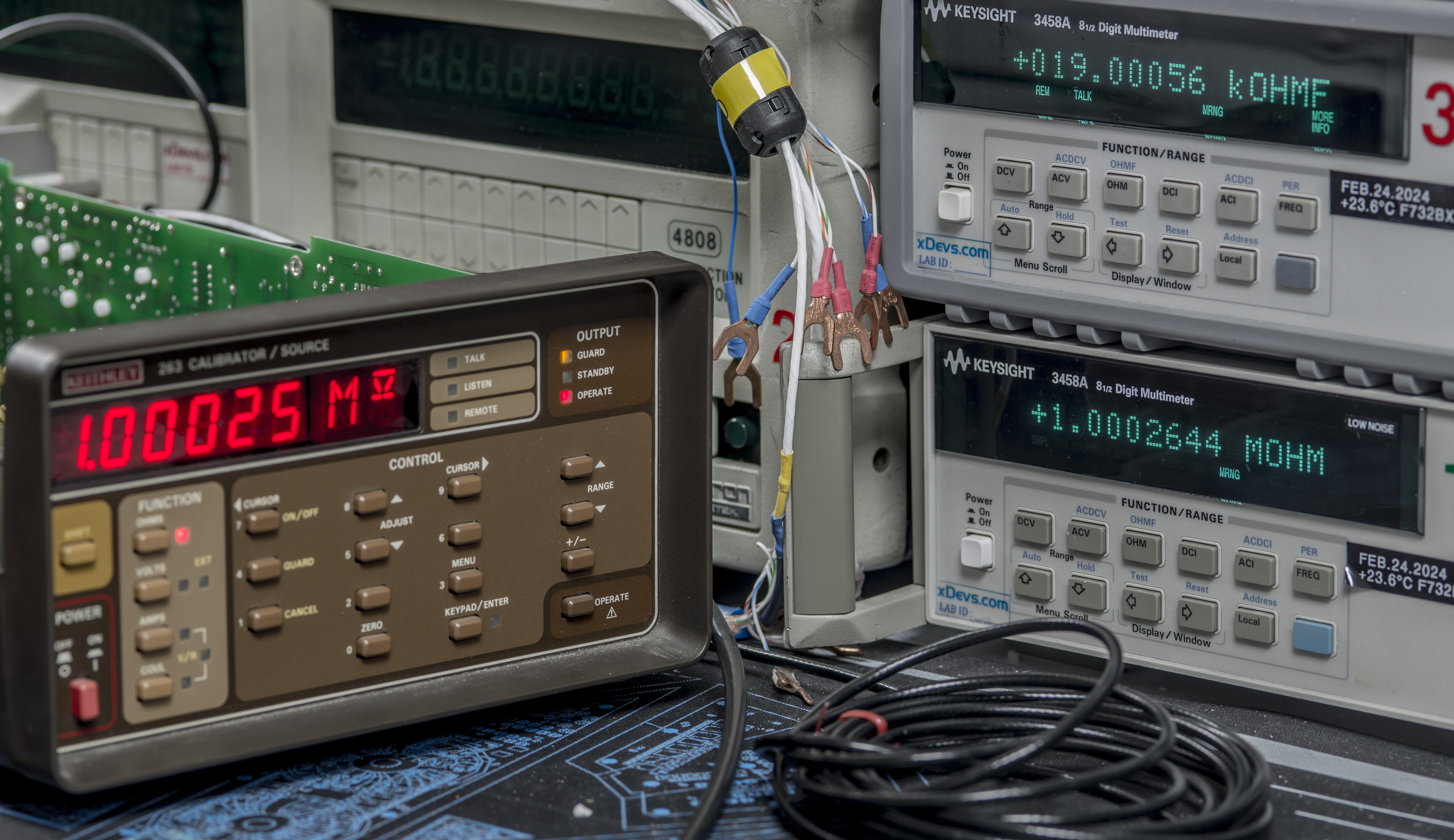
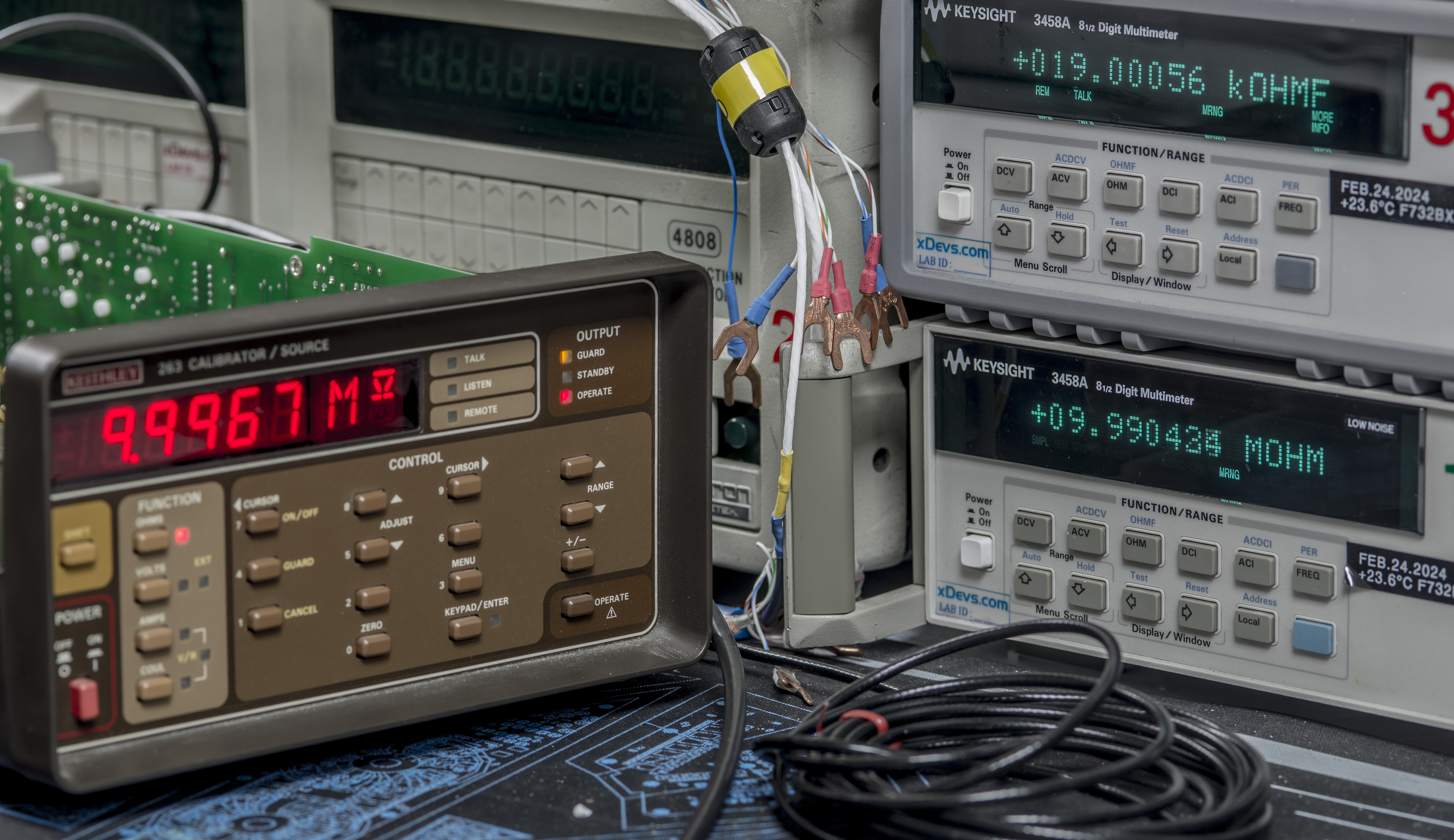
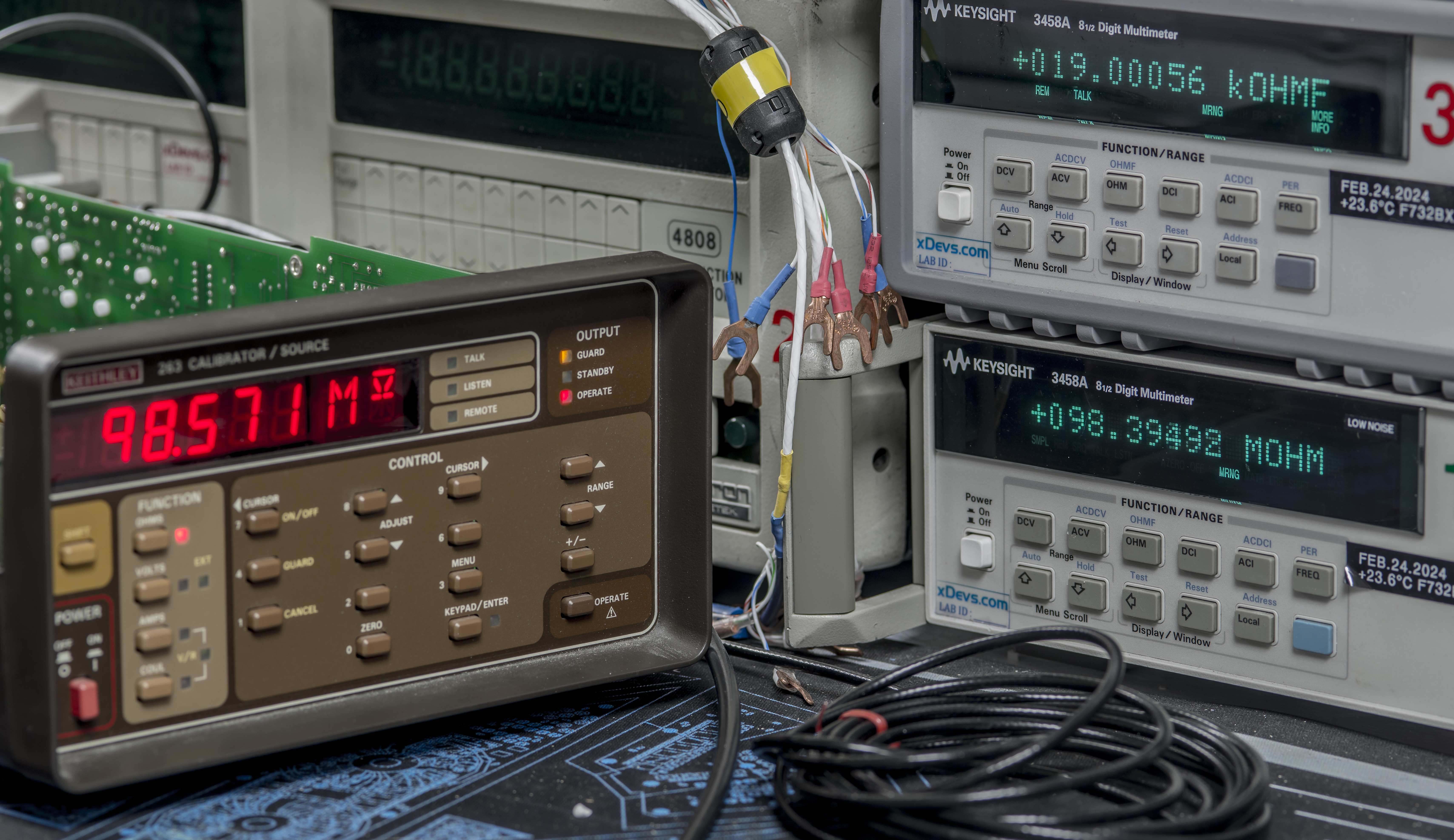
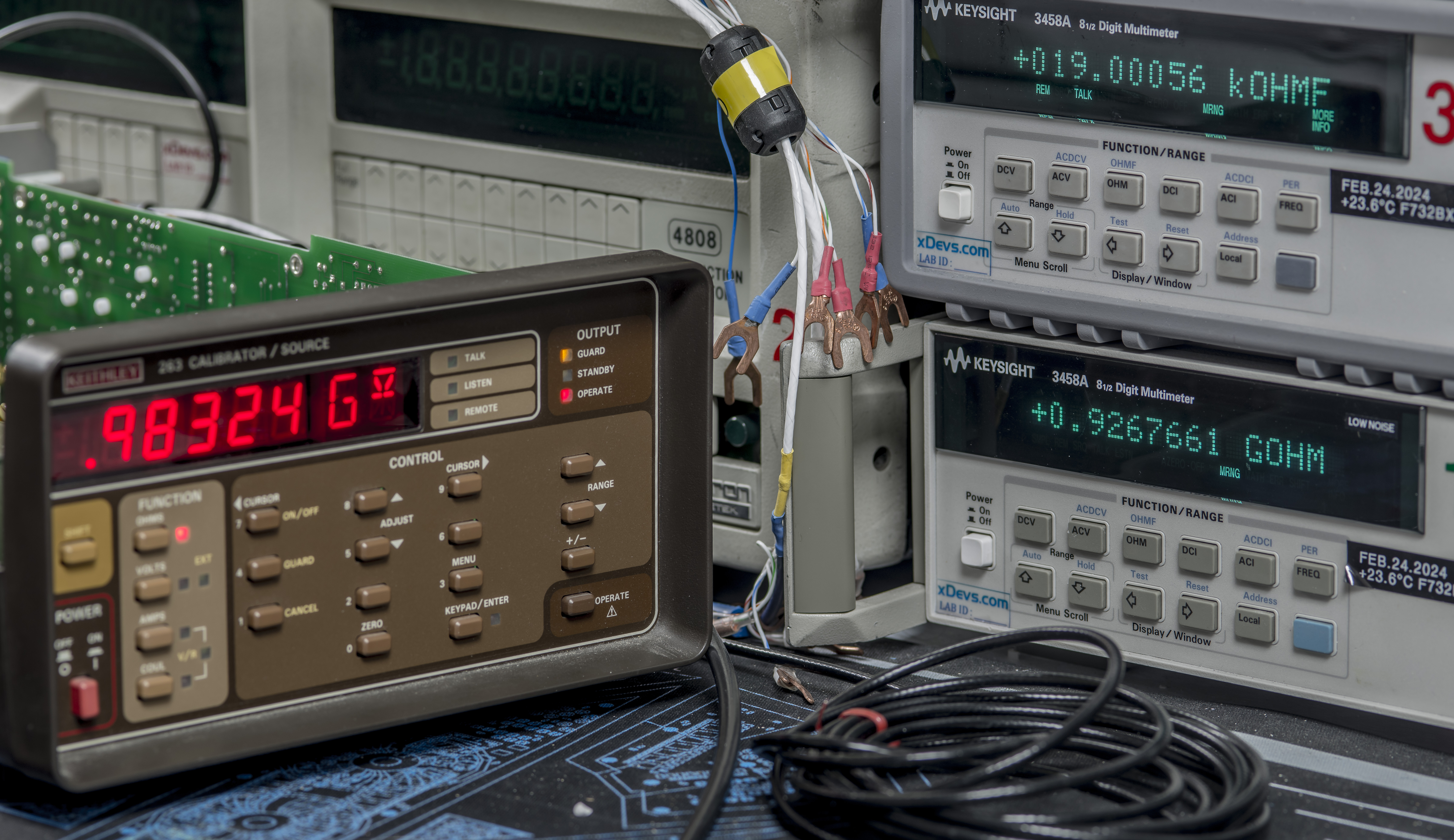
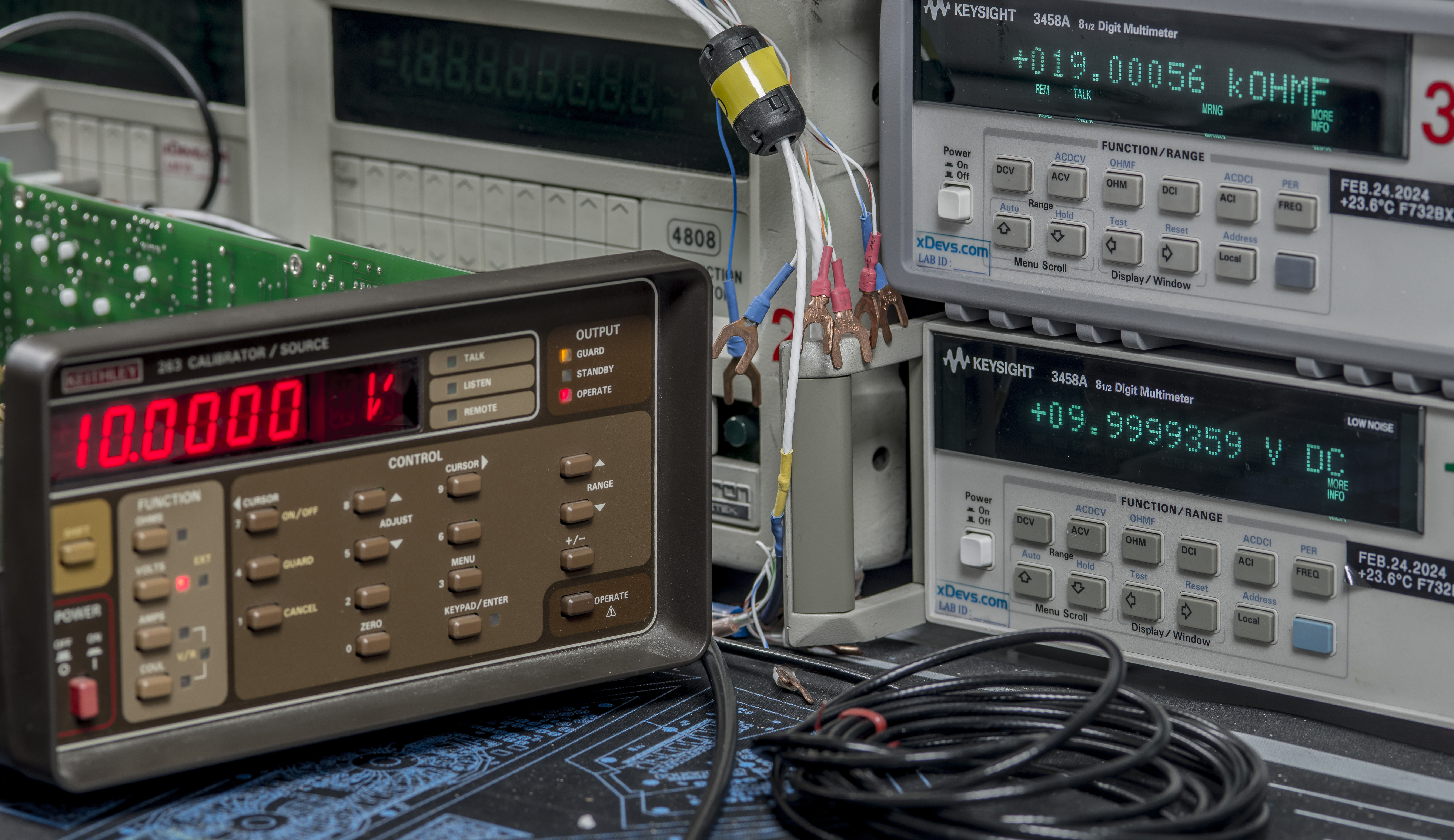
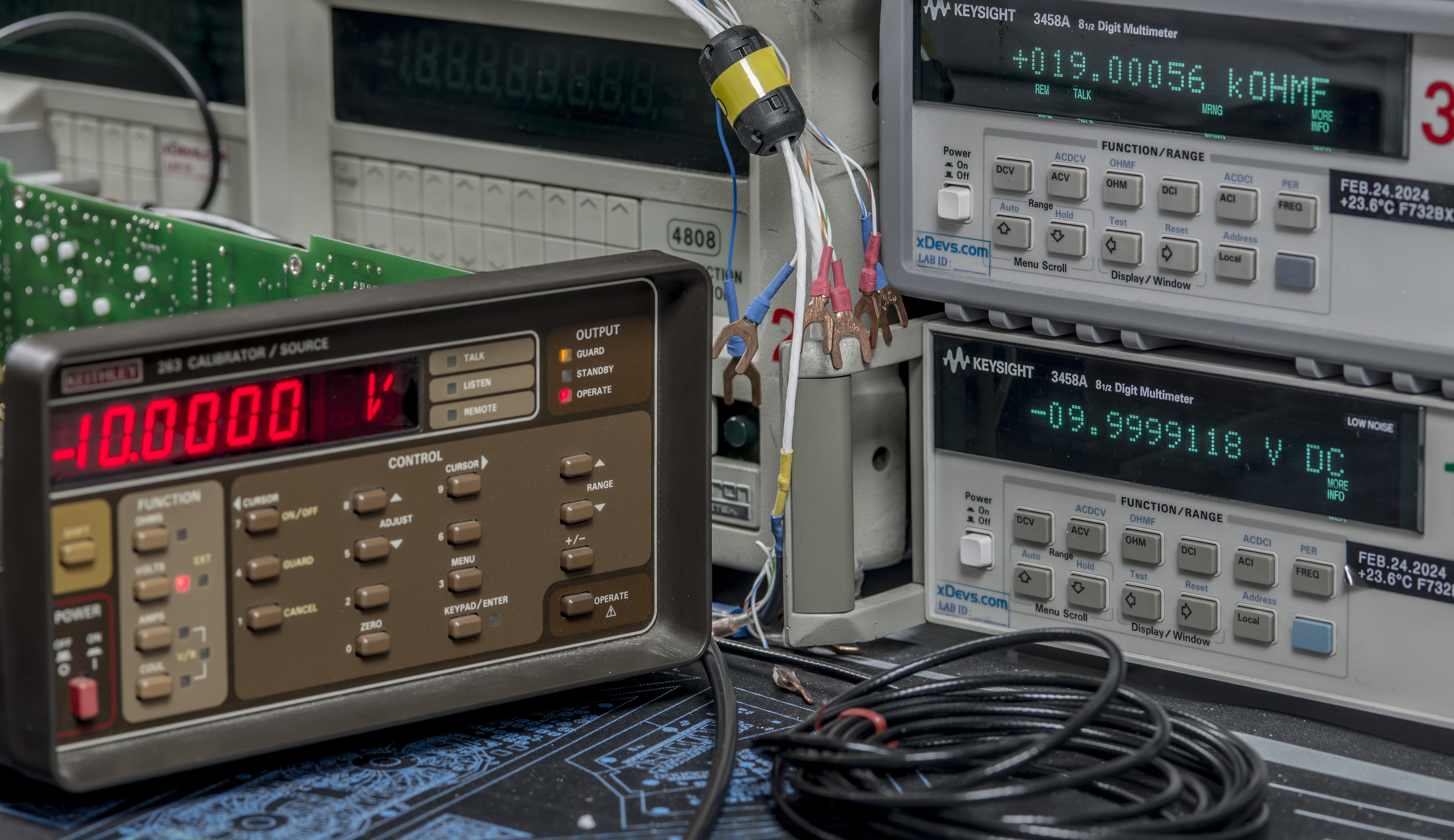
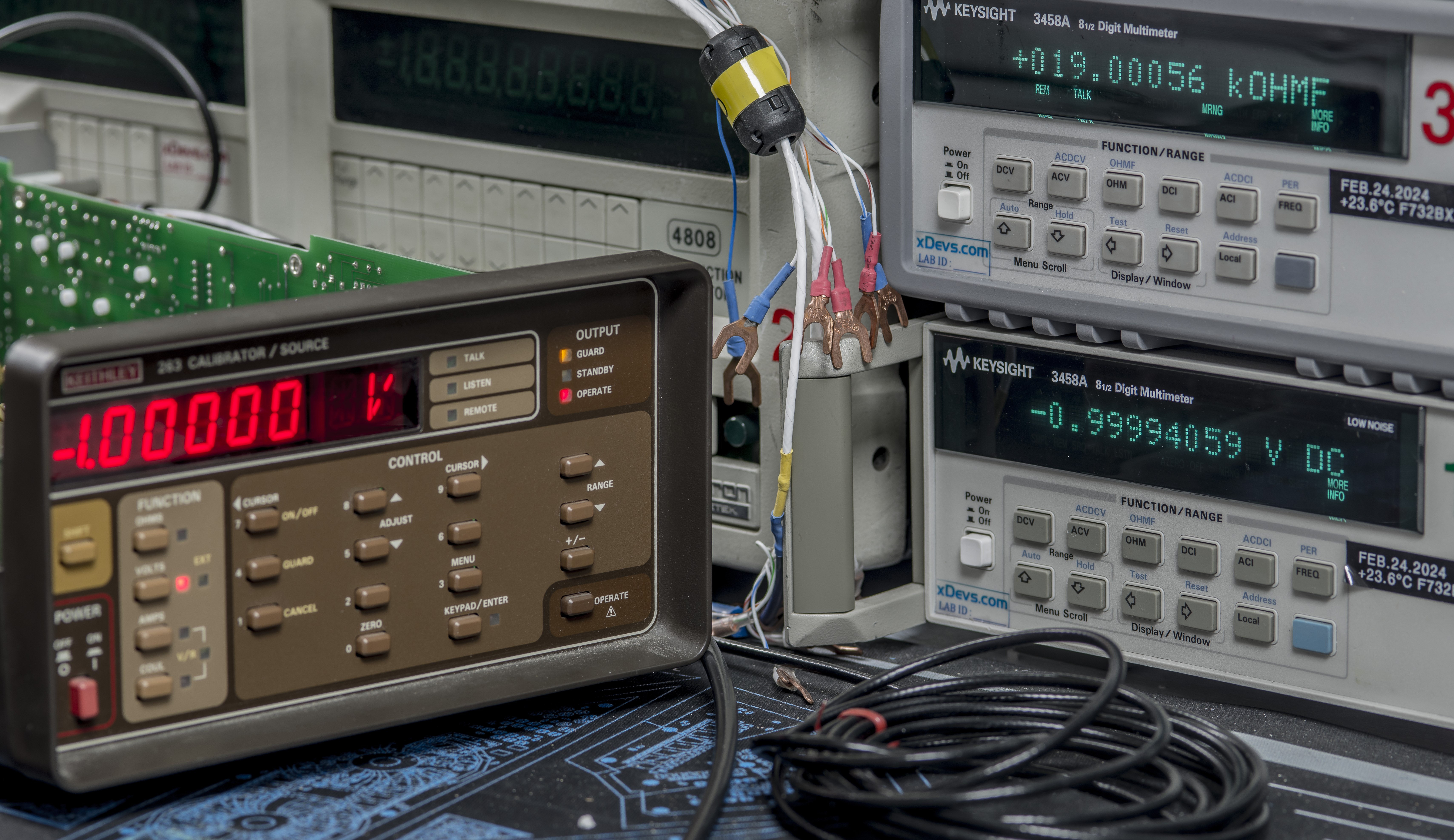
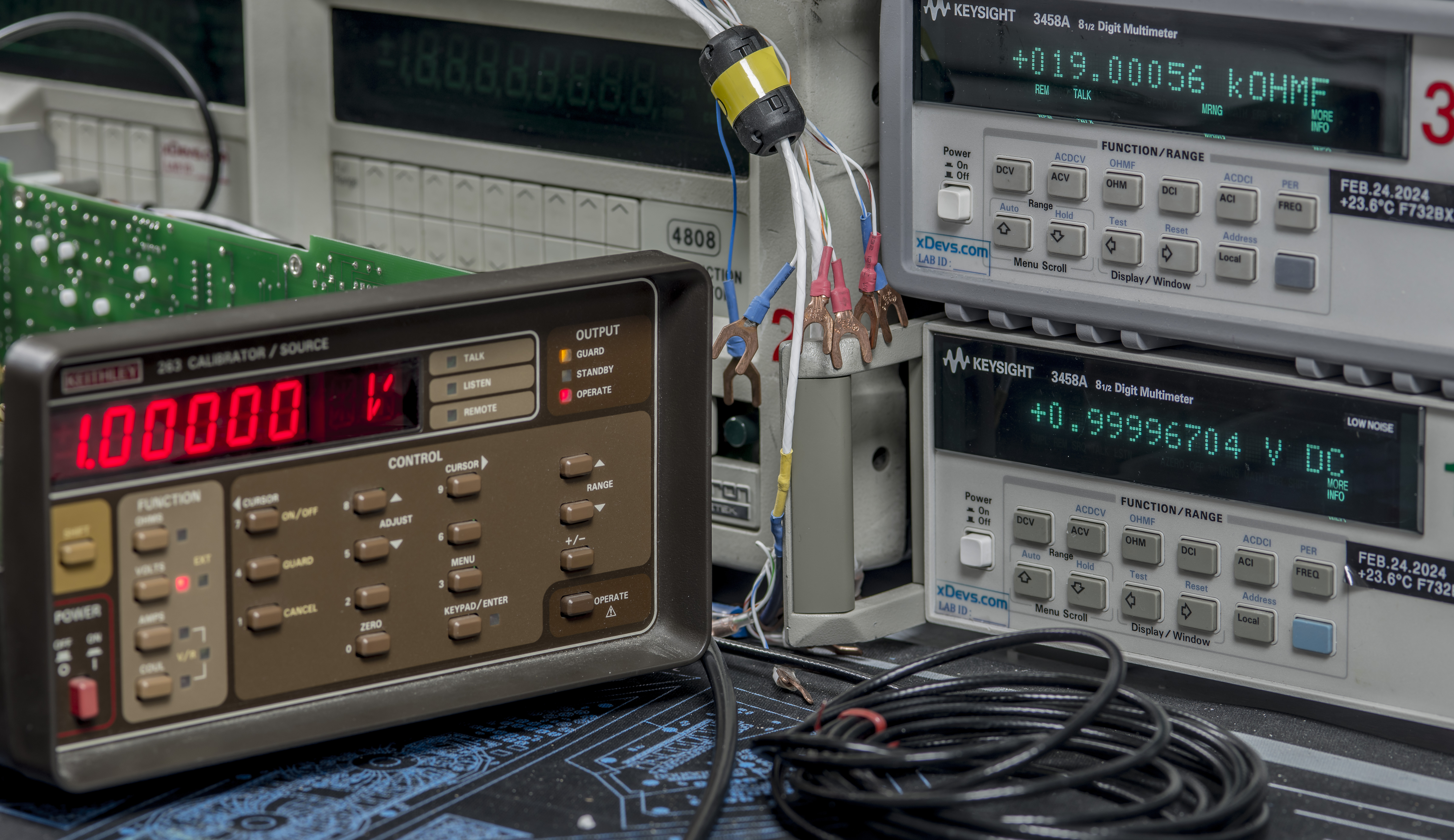
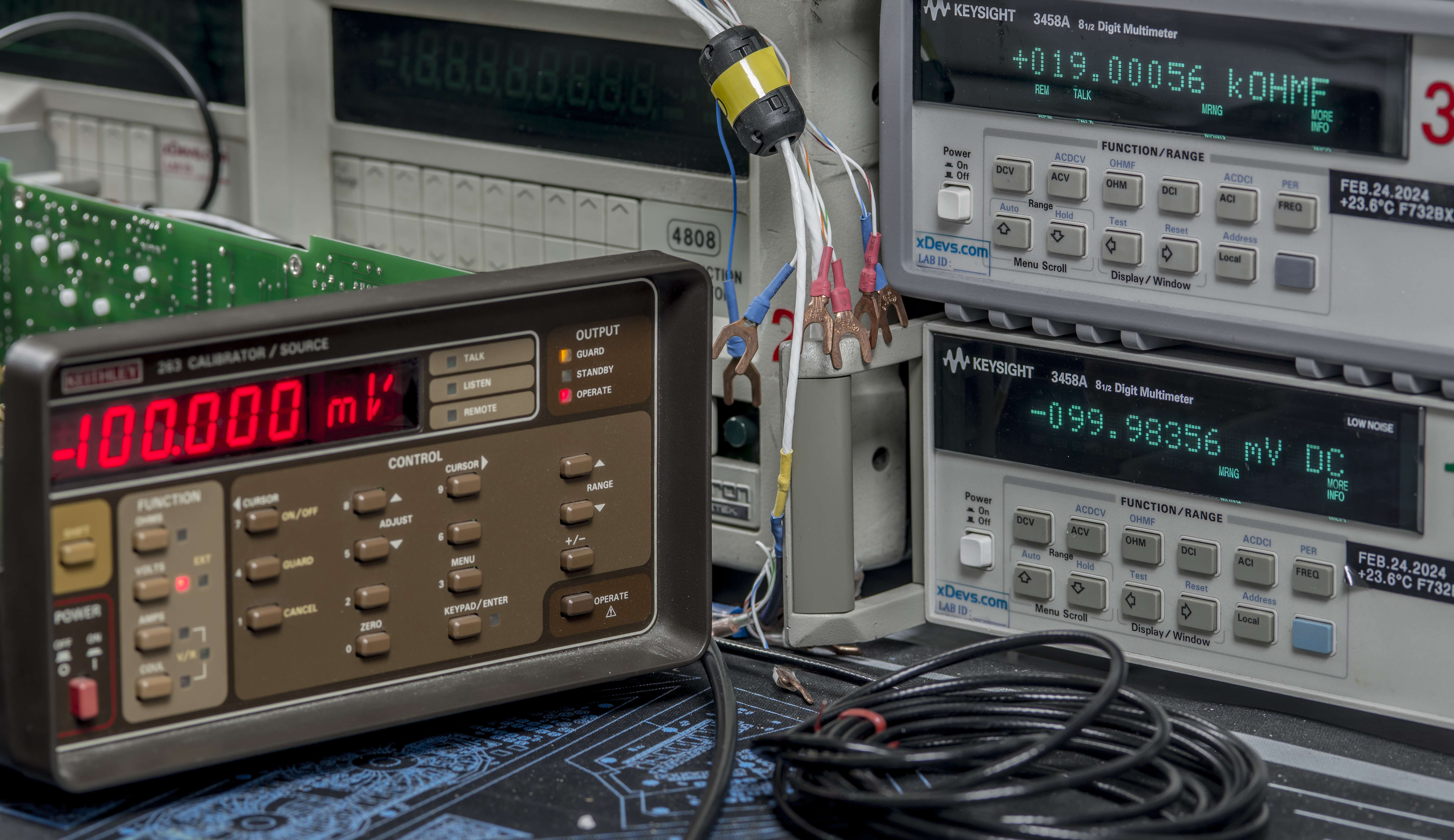
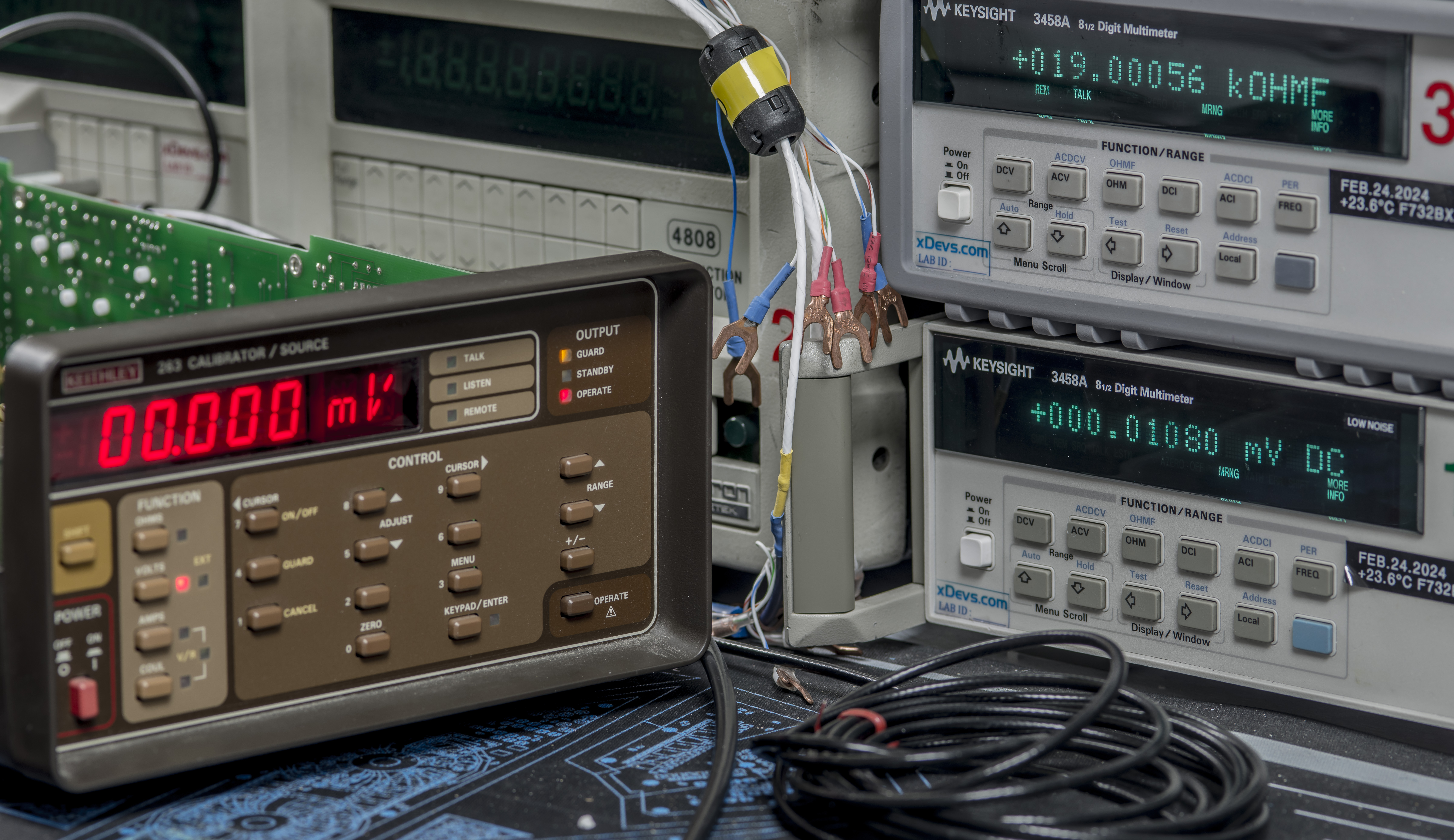
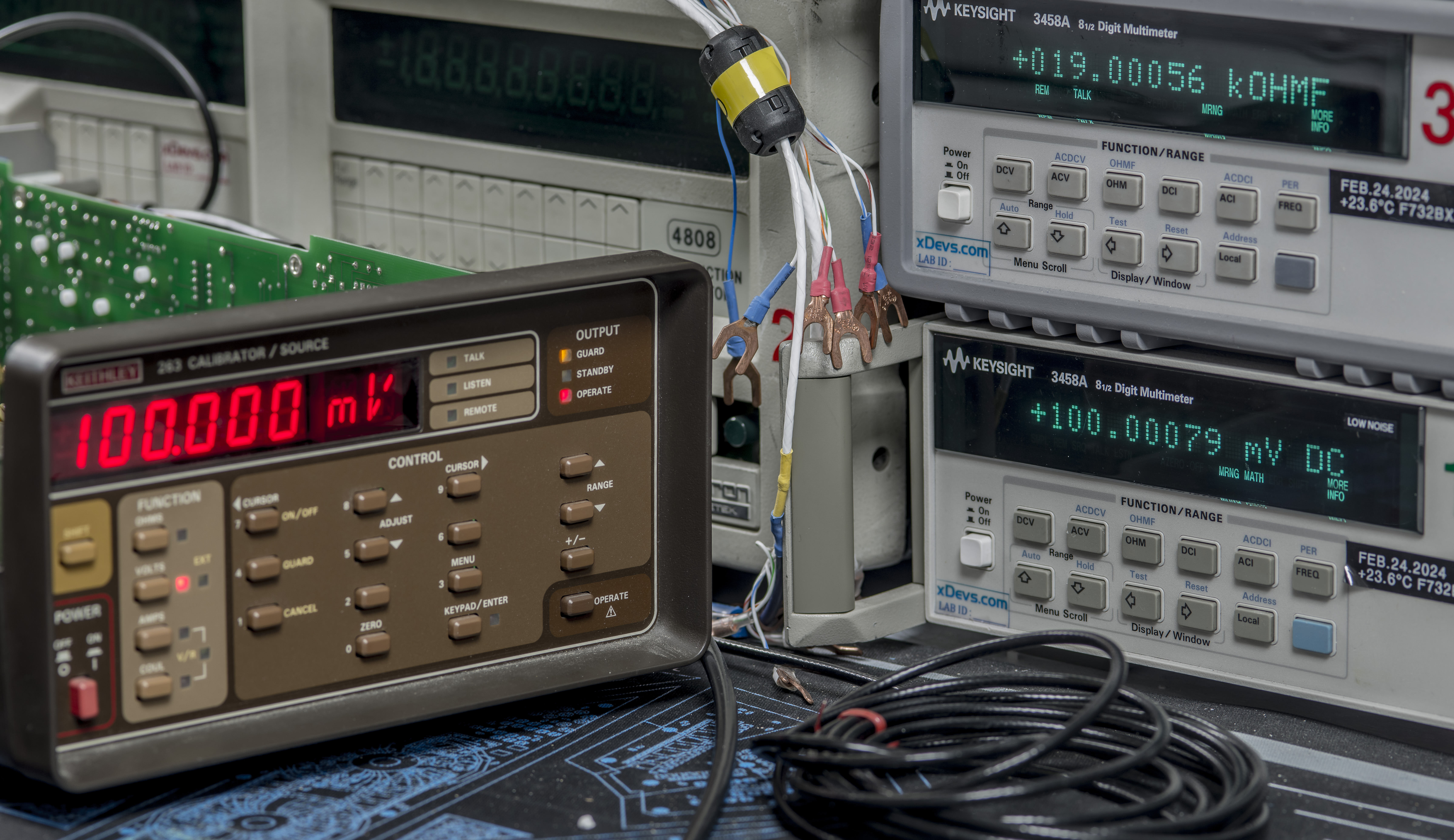
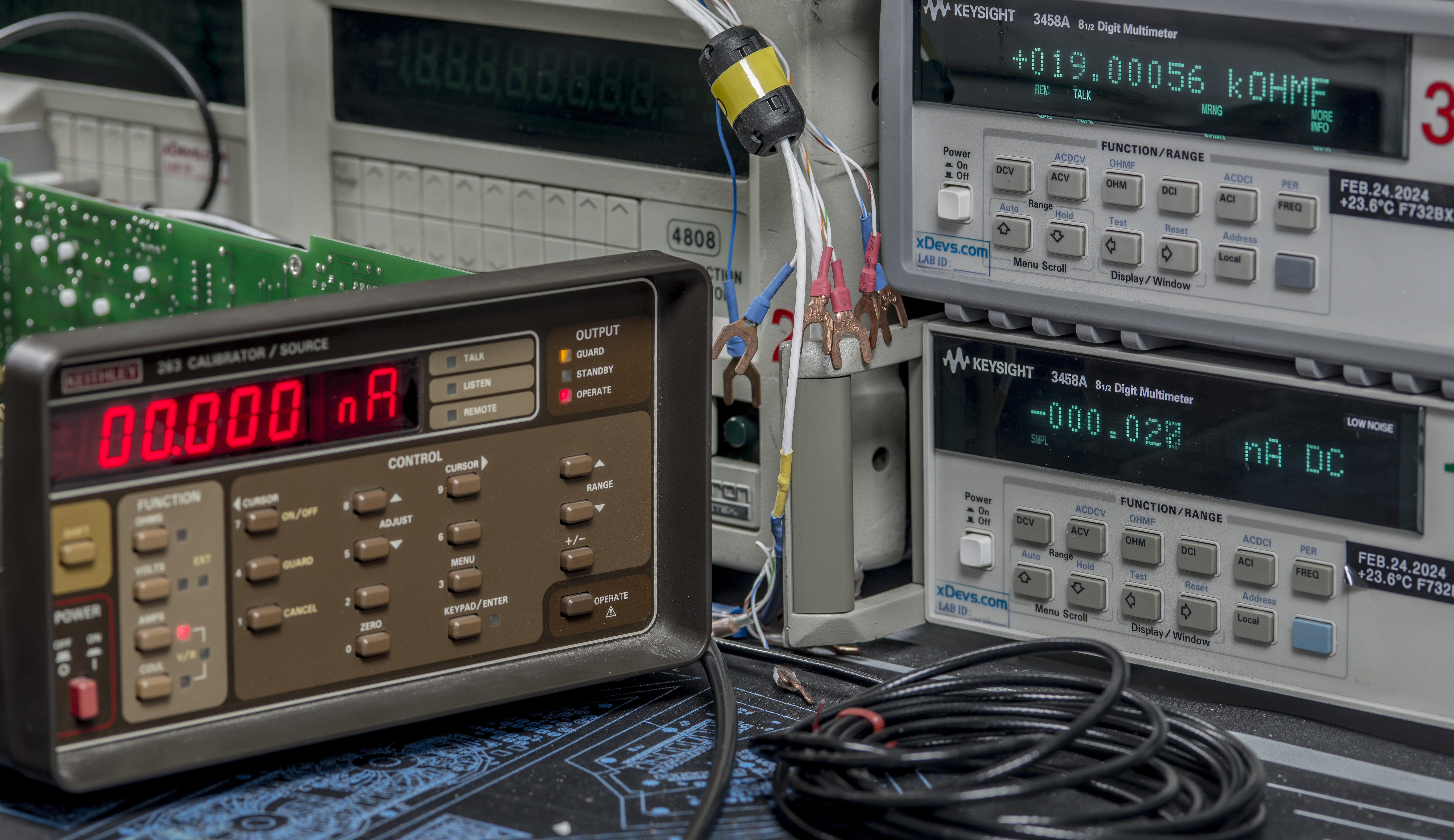
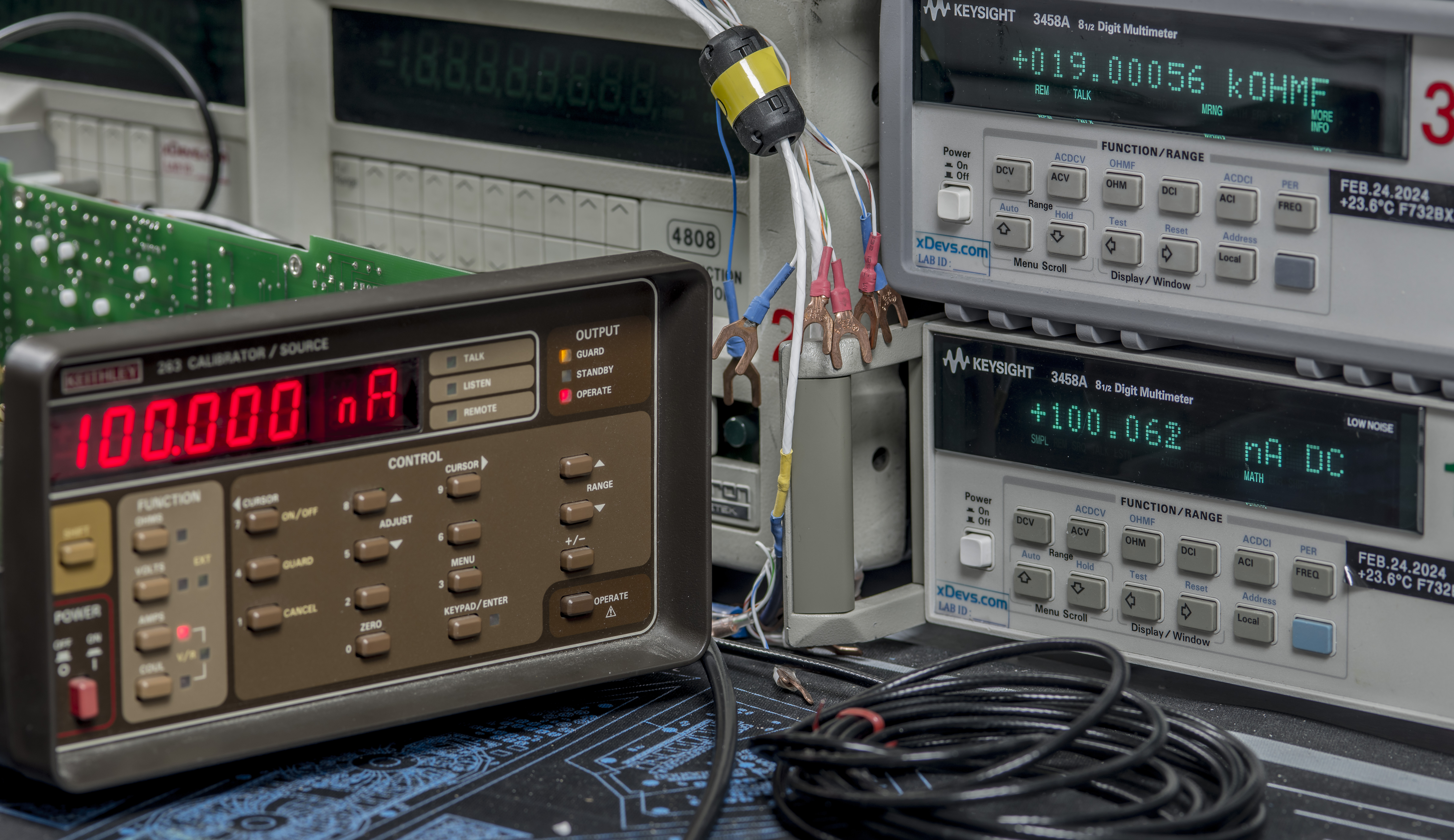
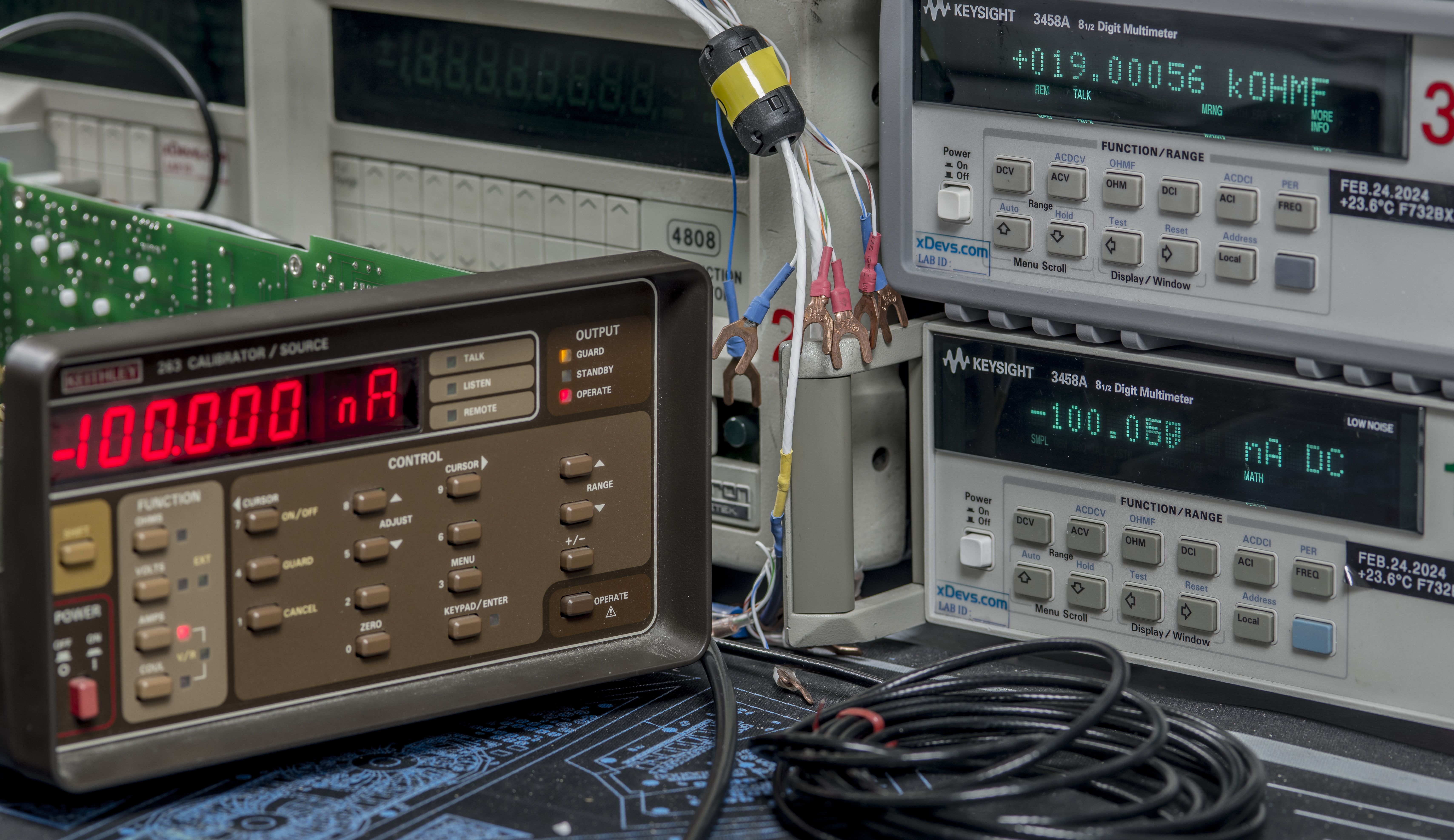
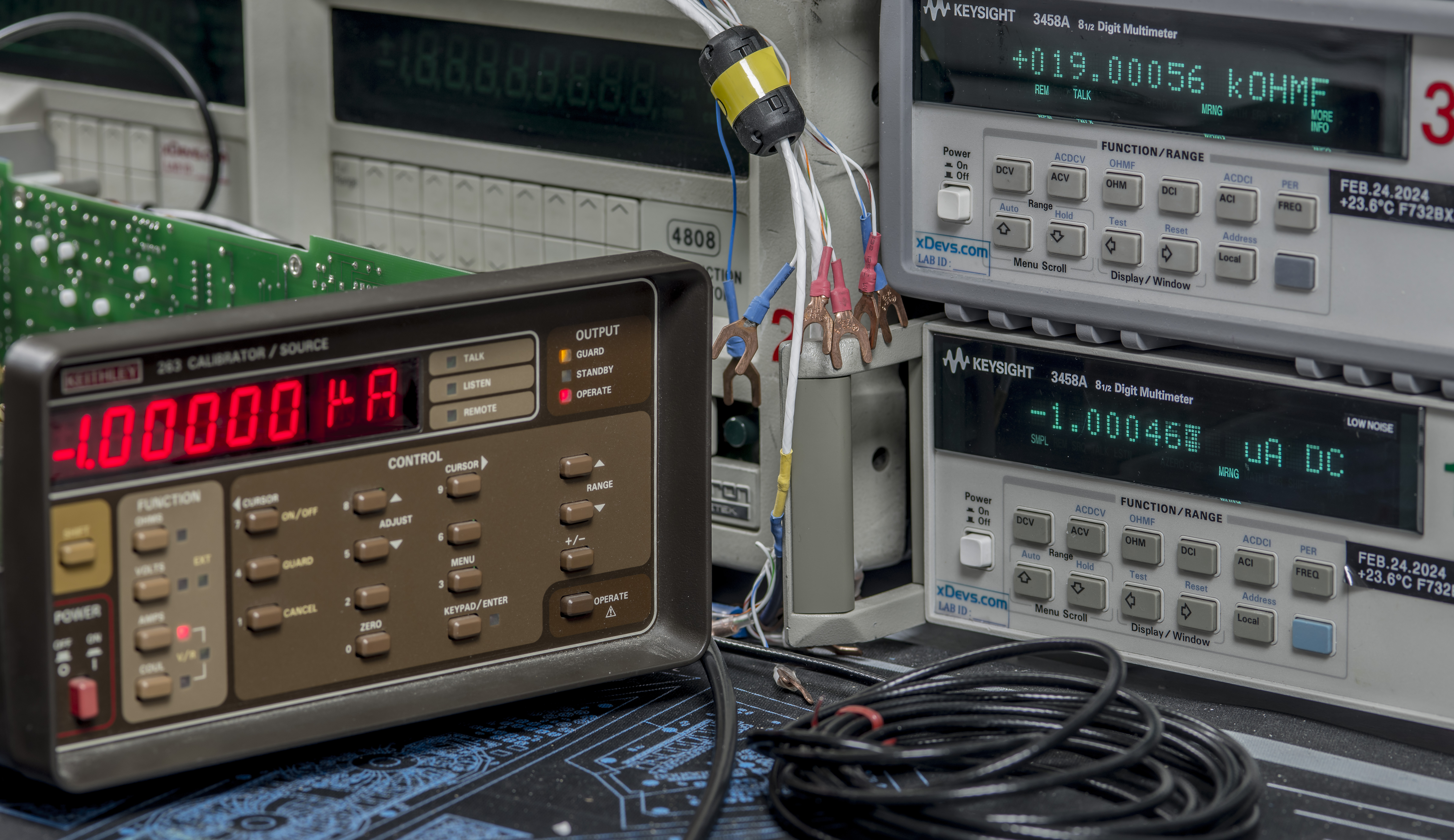
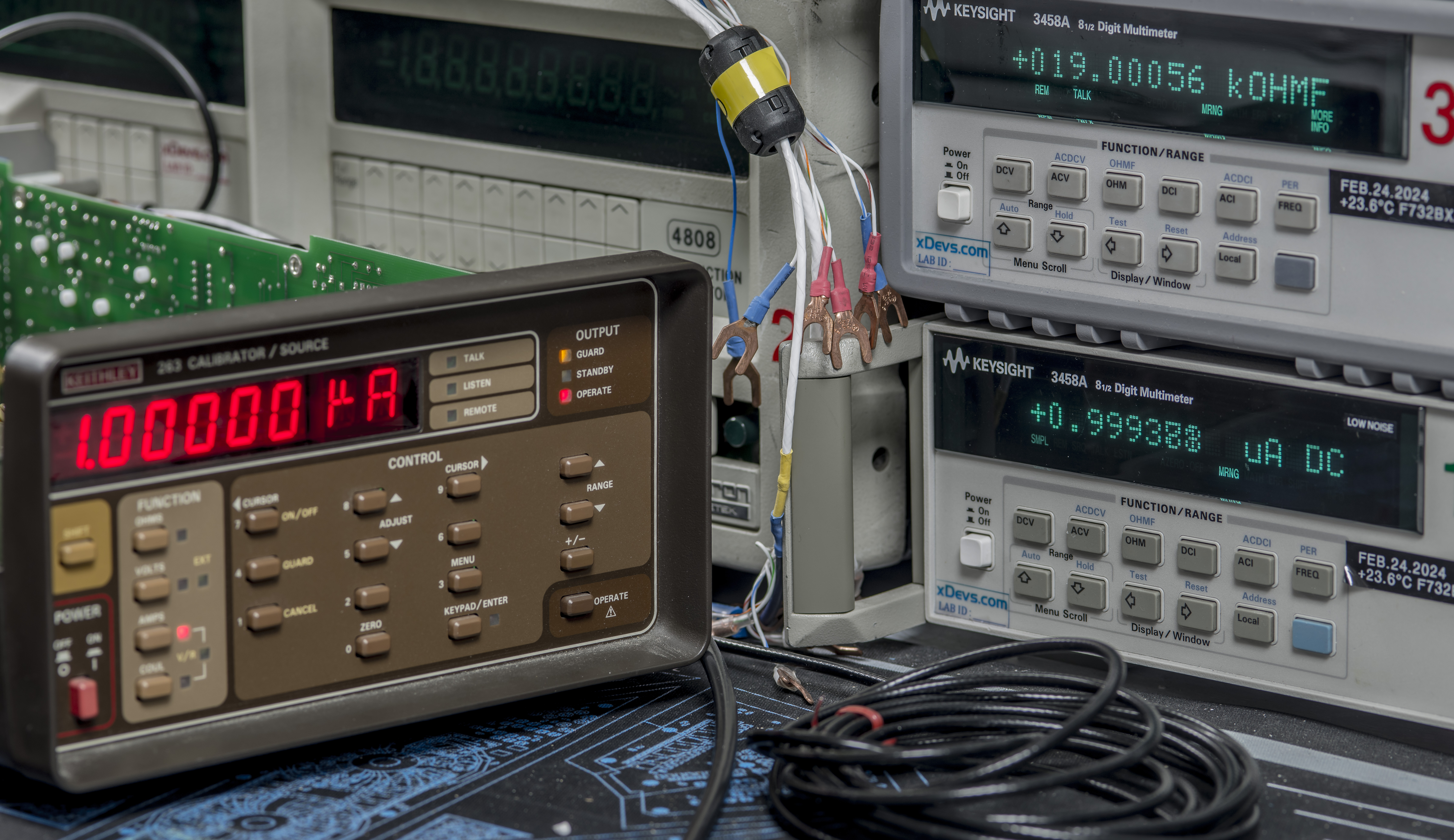
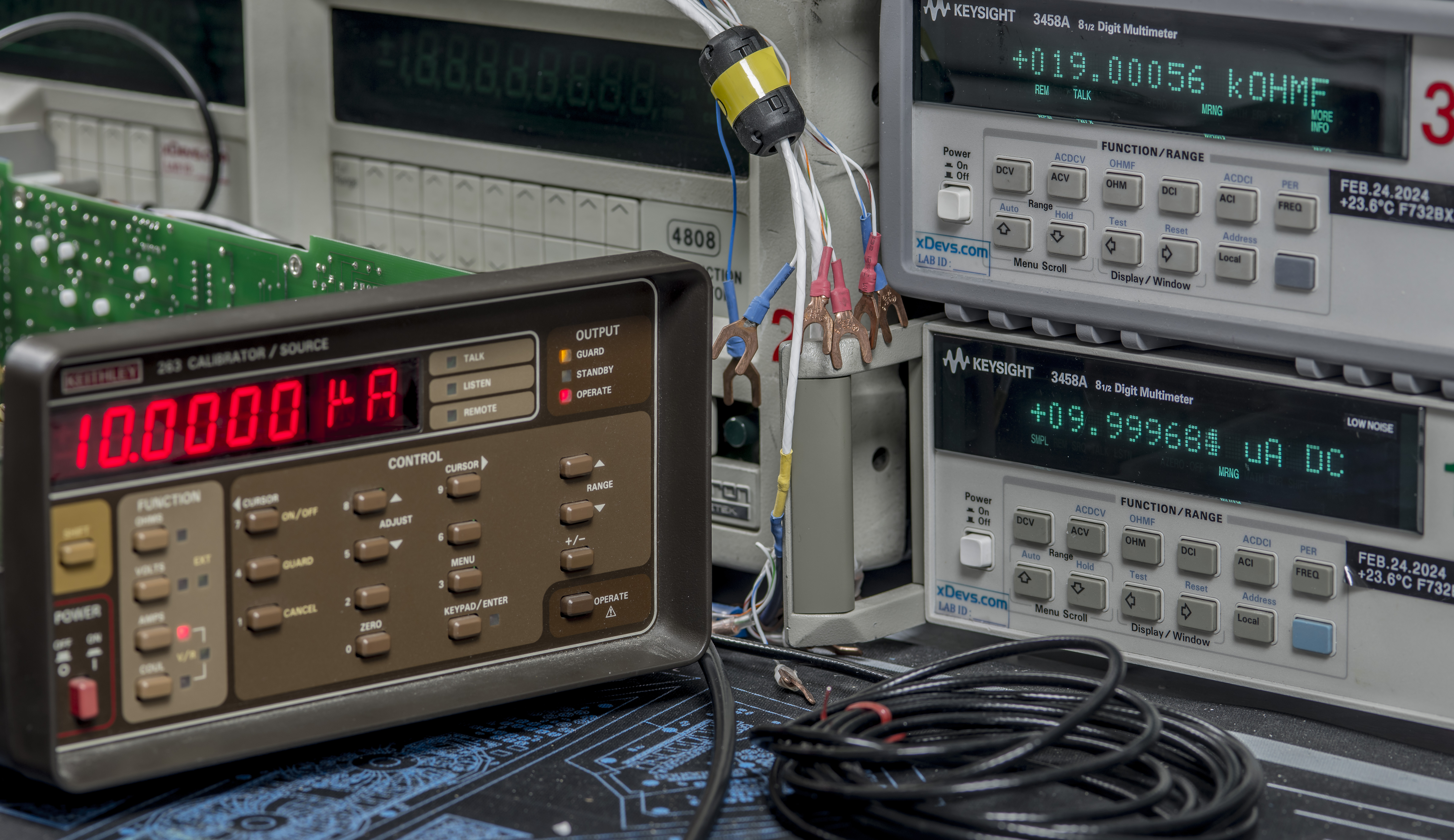
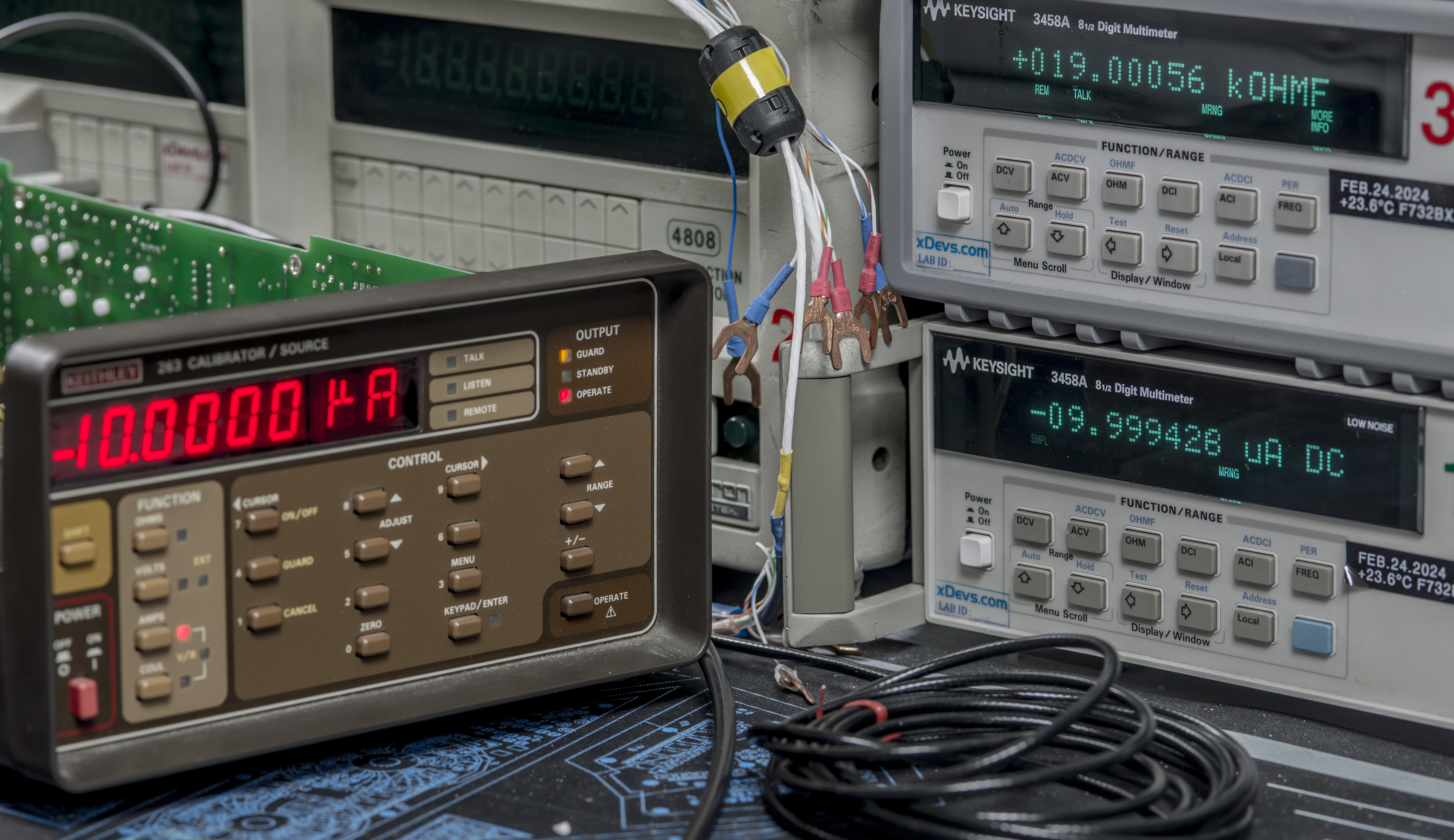
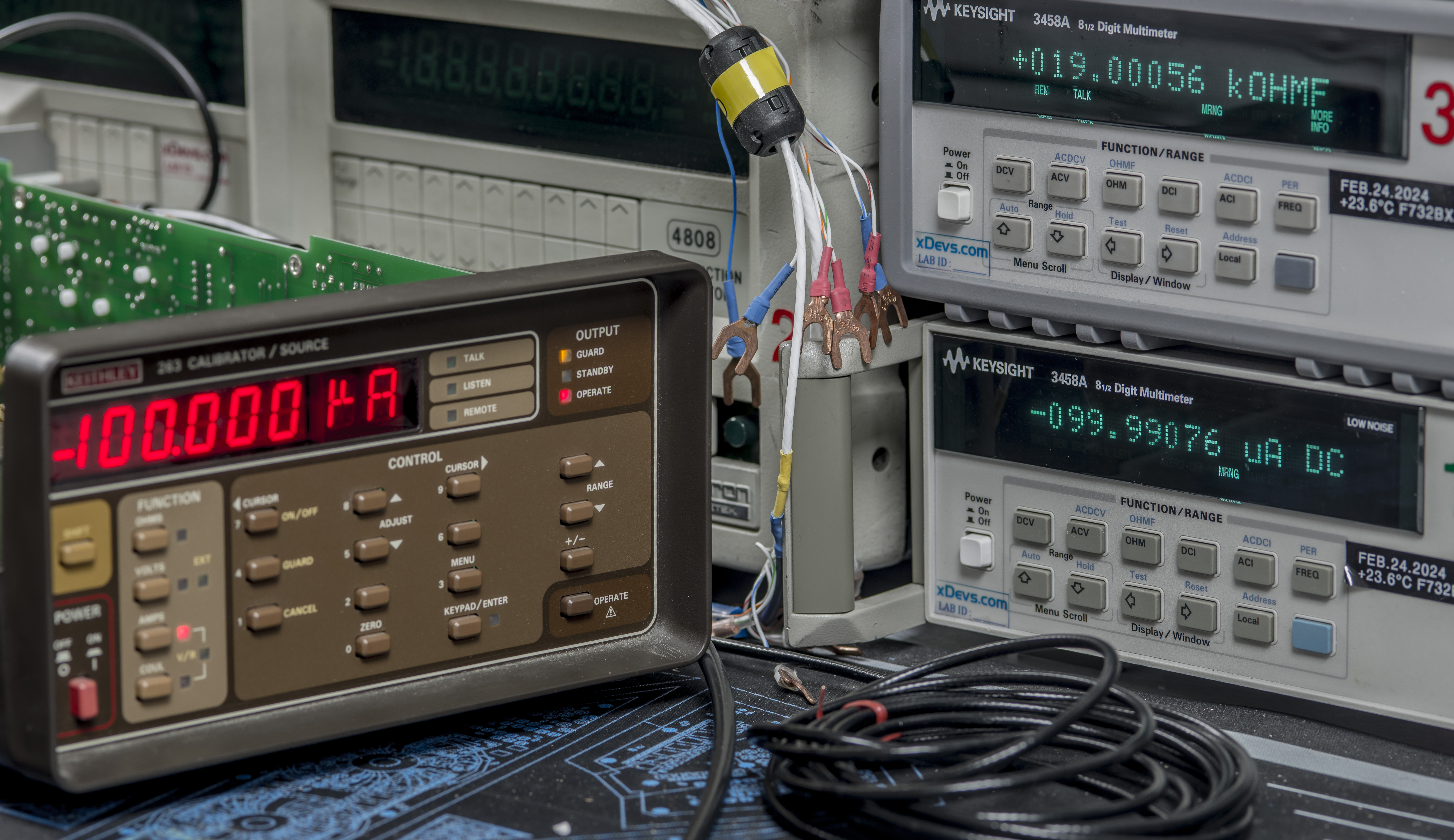
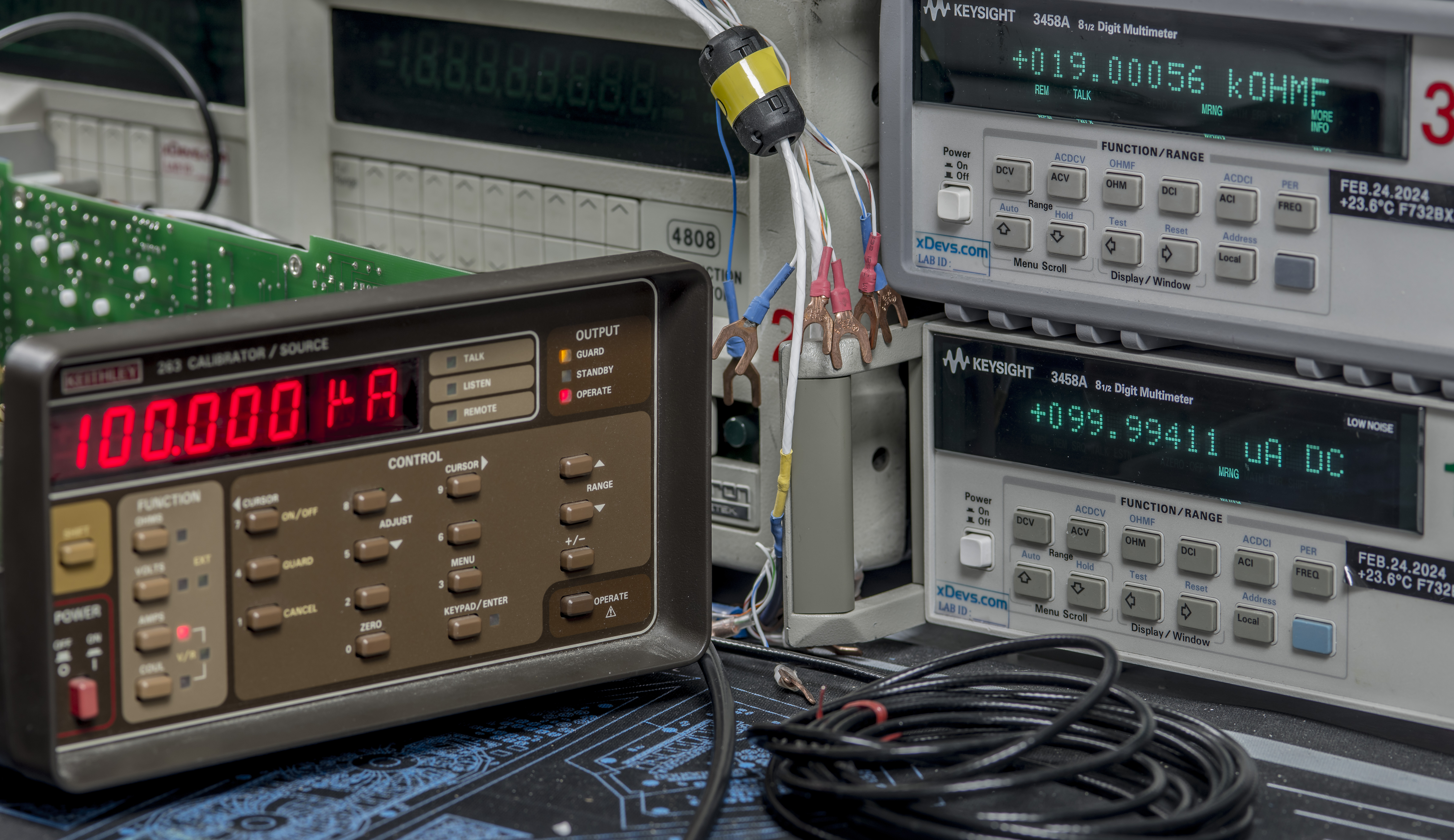
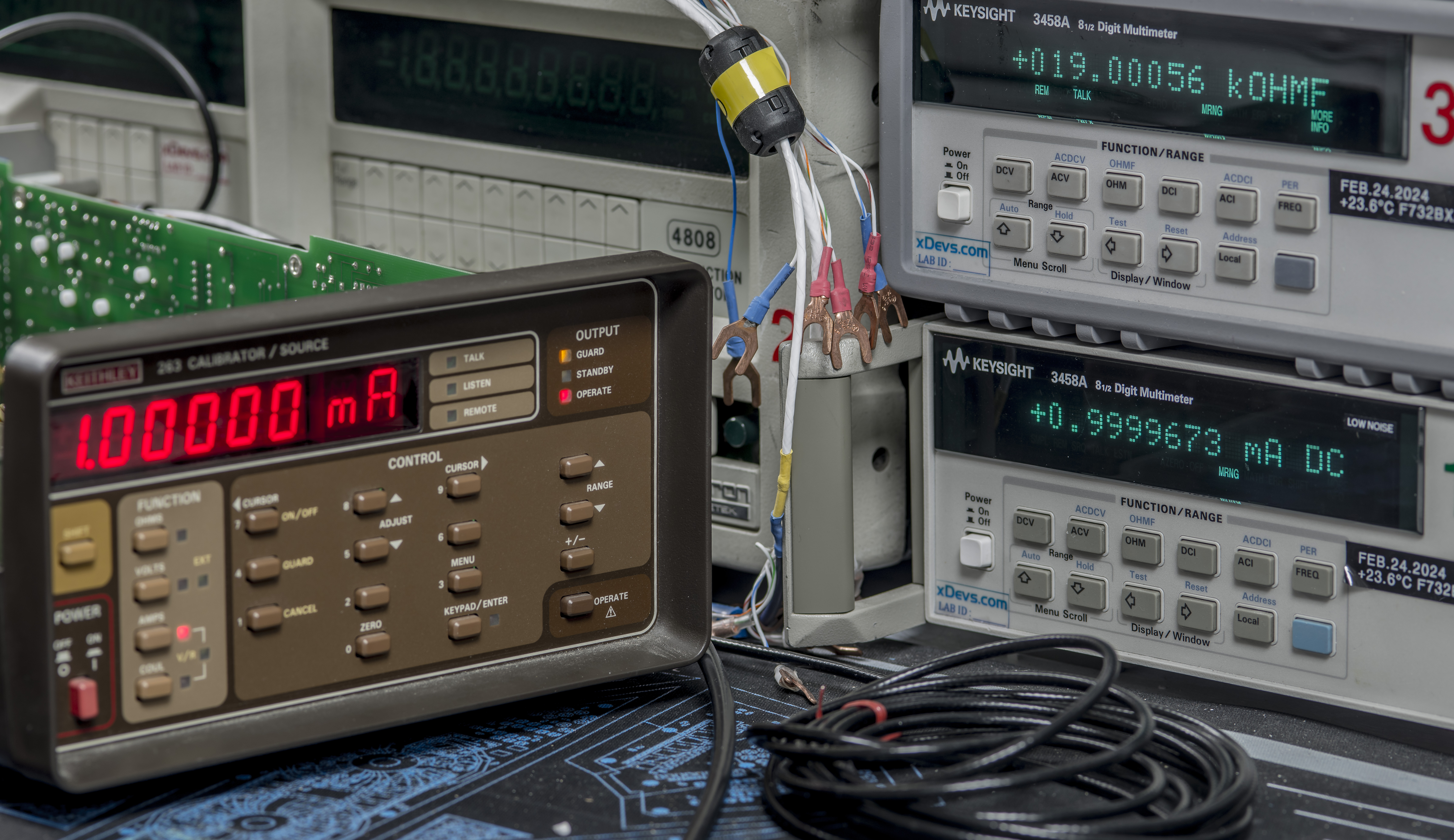
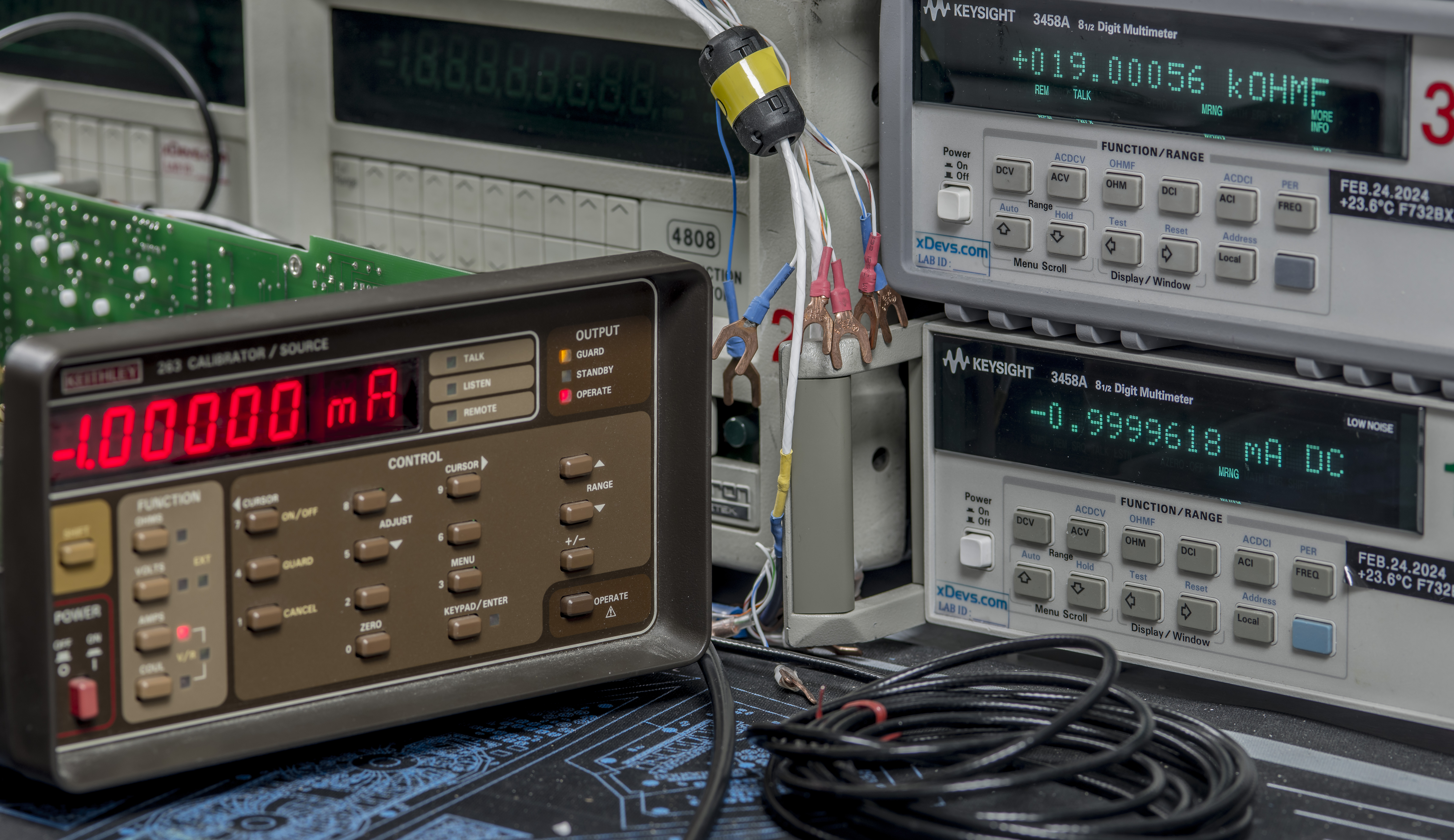
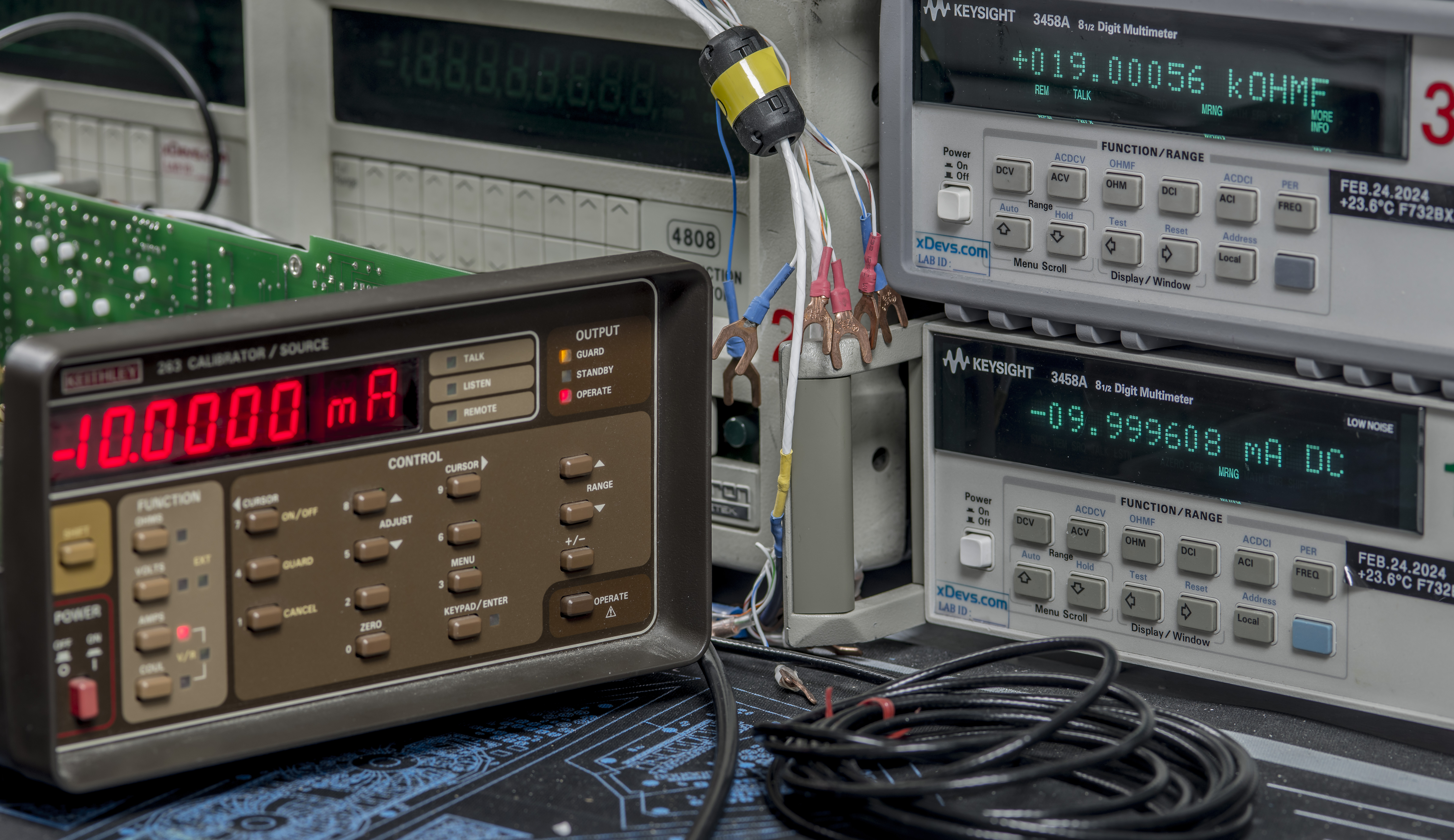
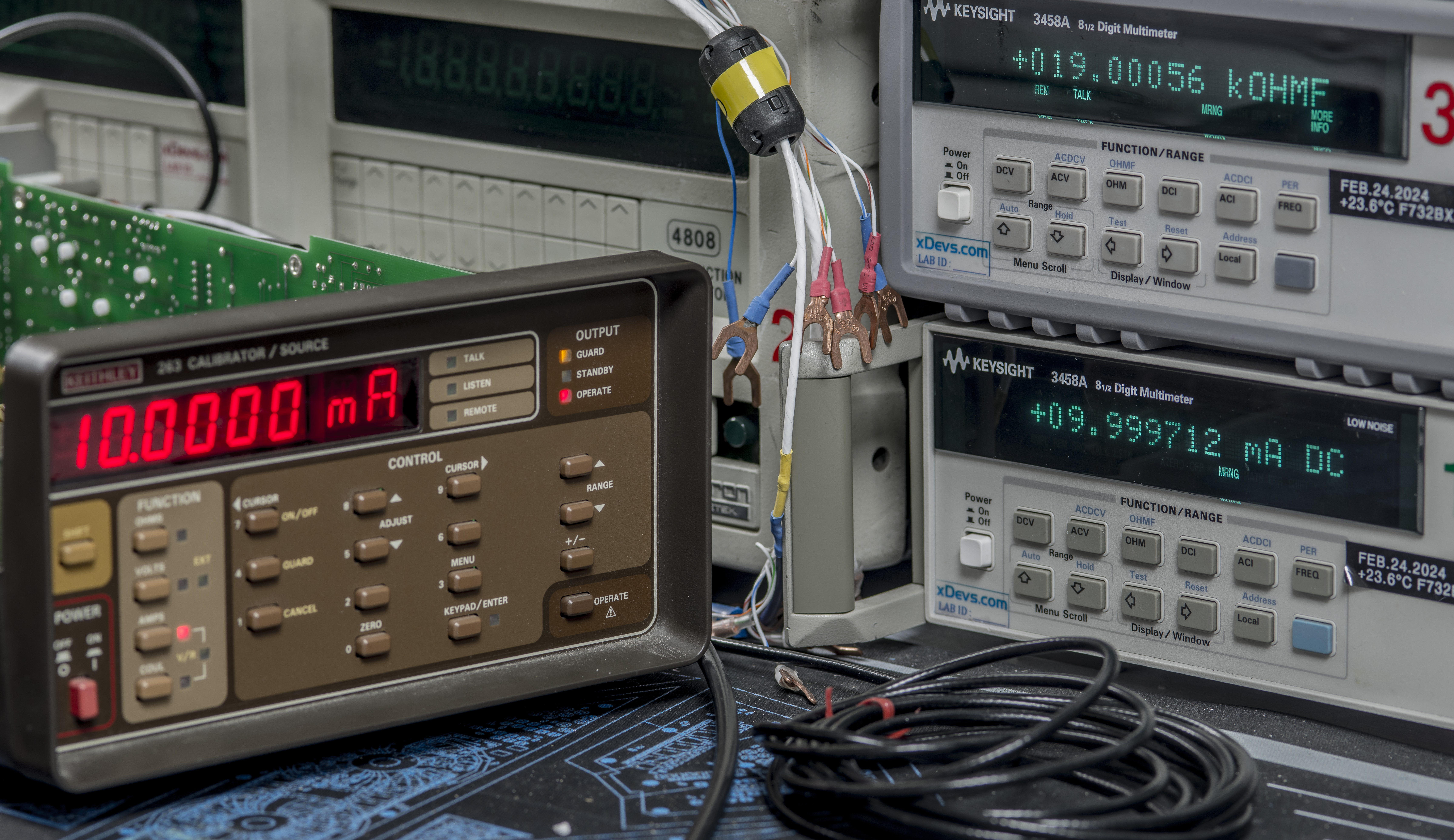
Keysight 3458A connection to the triaxial output is done with Triax-BNC adapter and single terminal BNC to Banana adapter.
Post-repair calibration tests
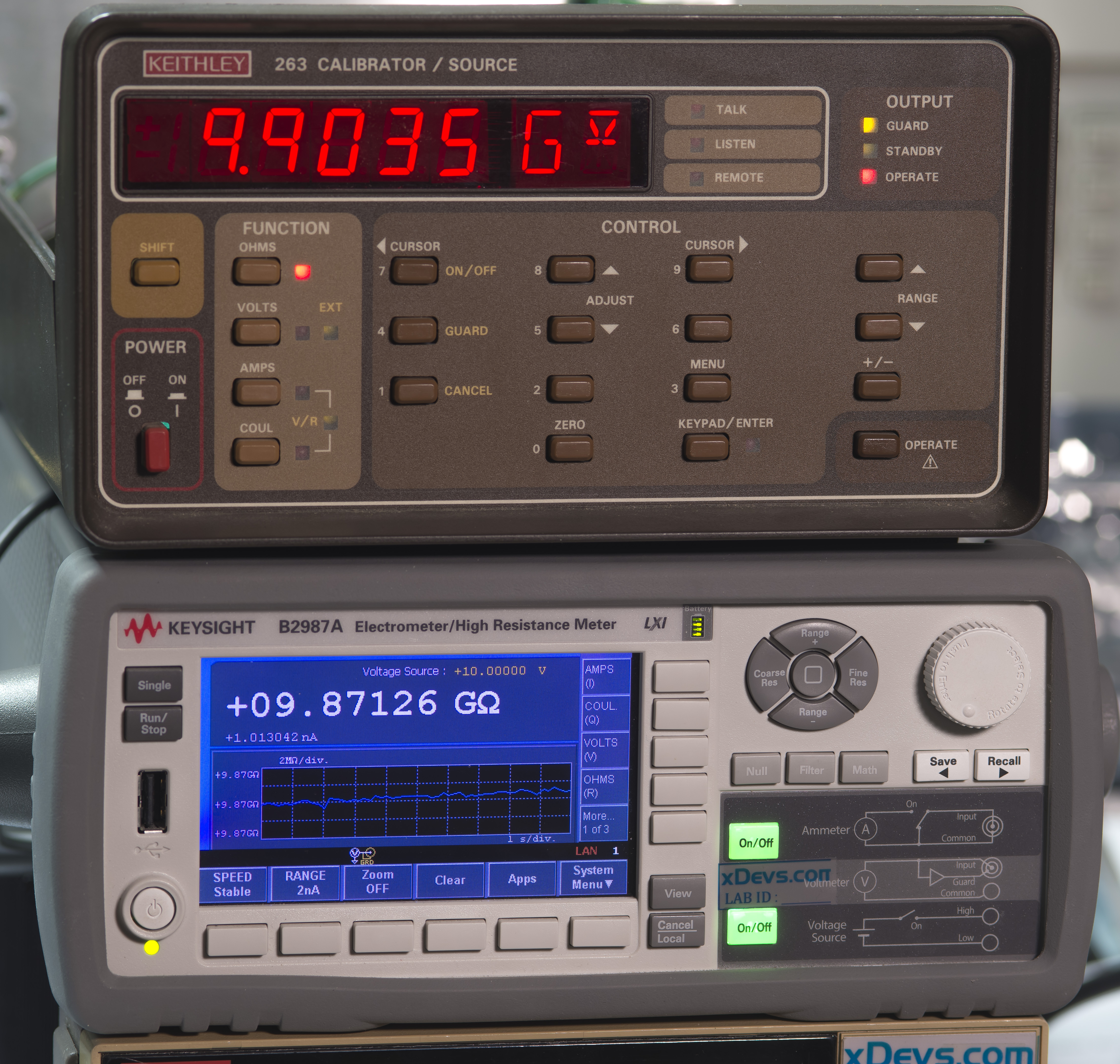
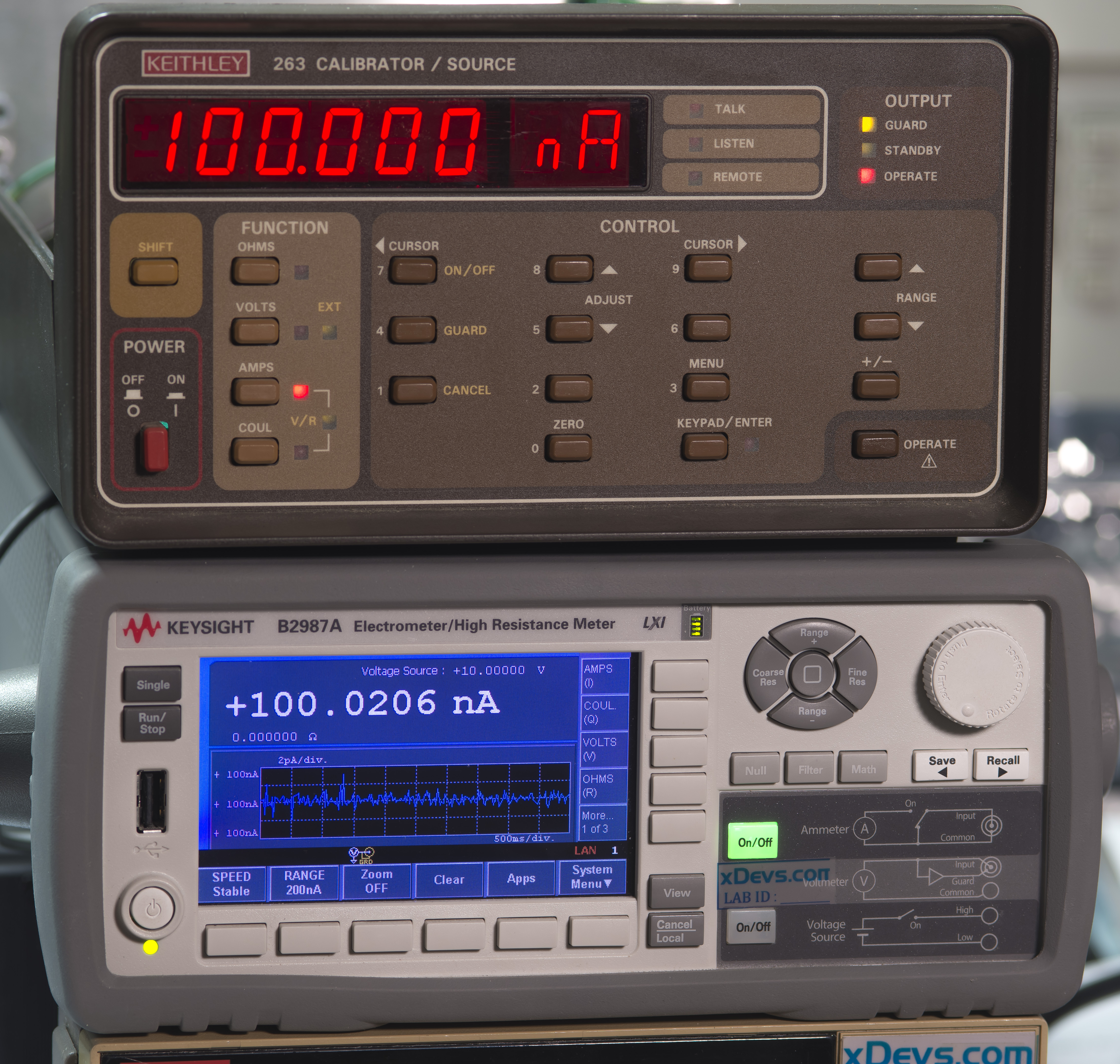
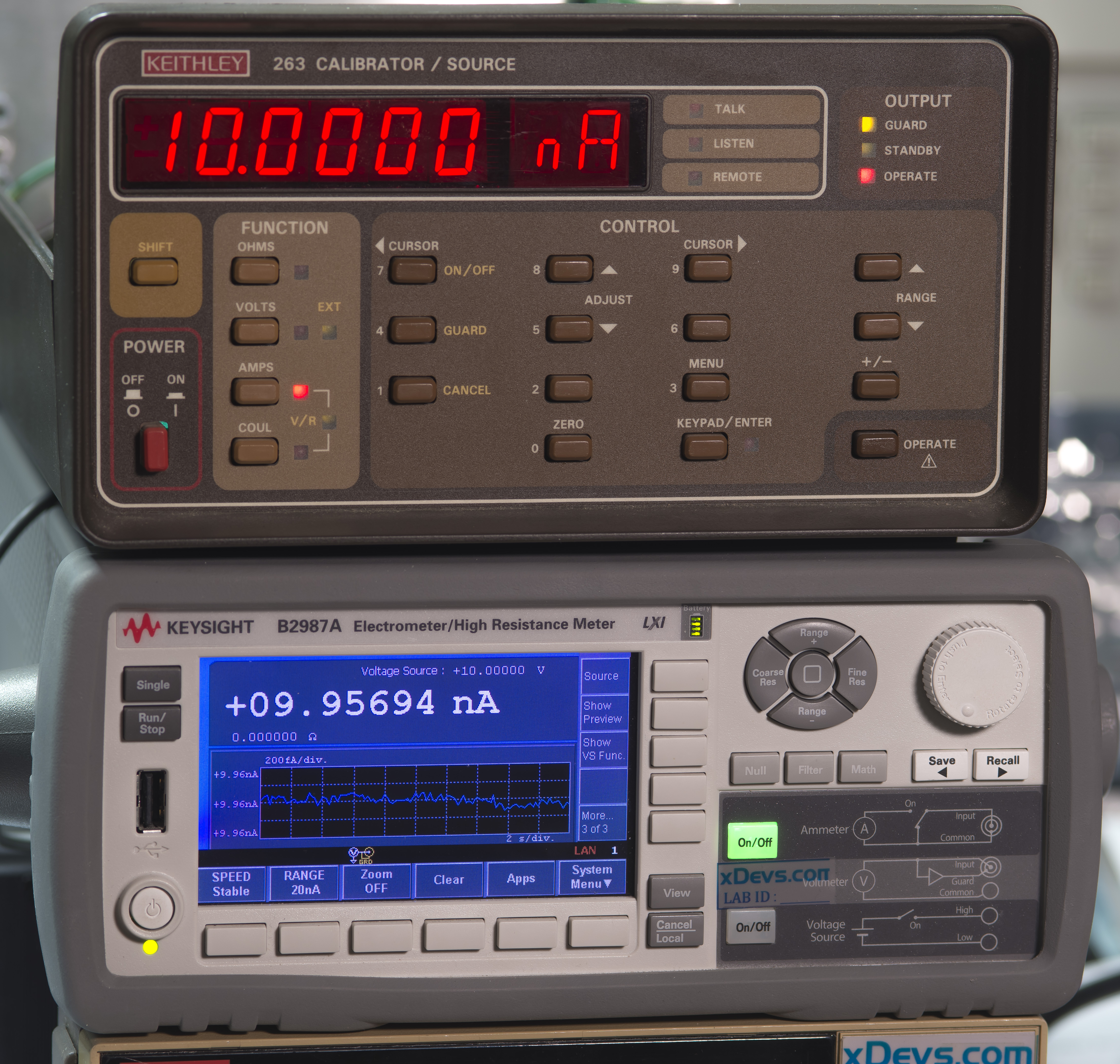
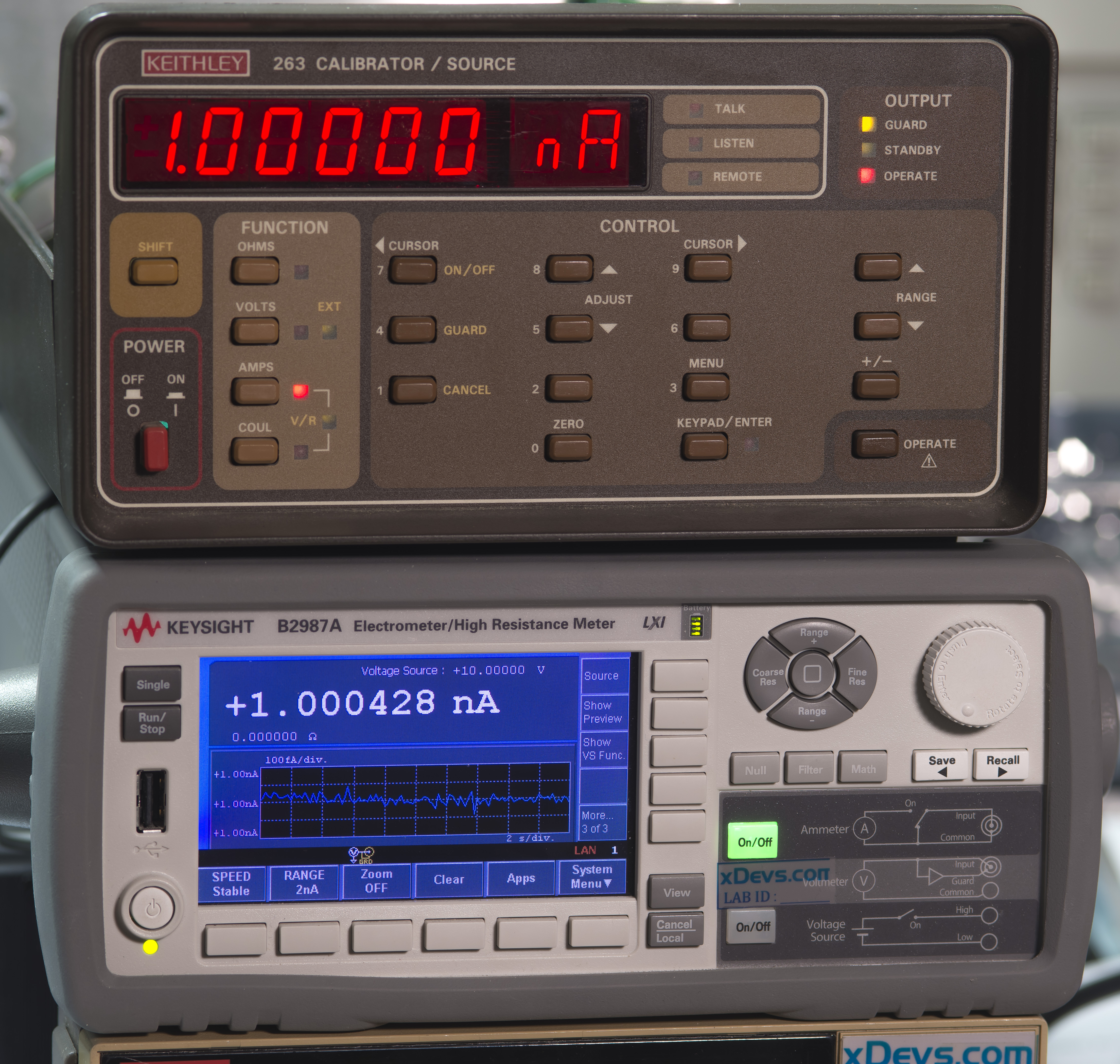
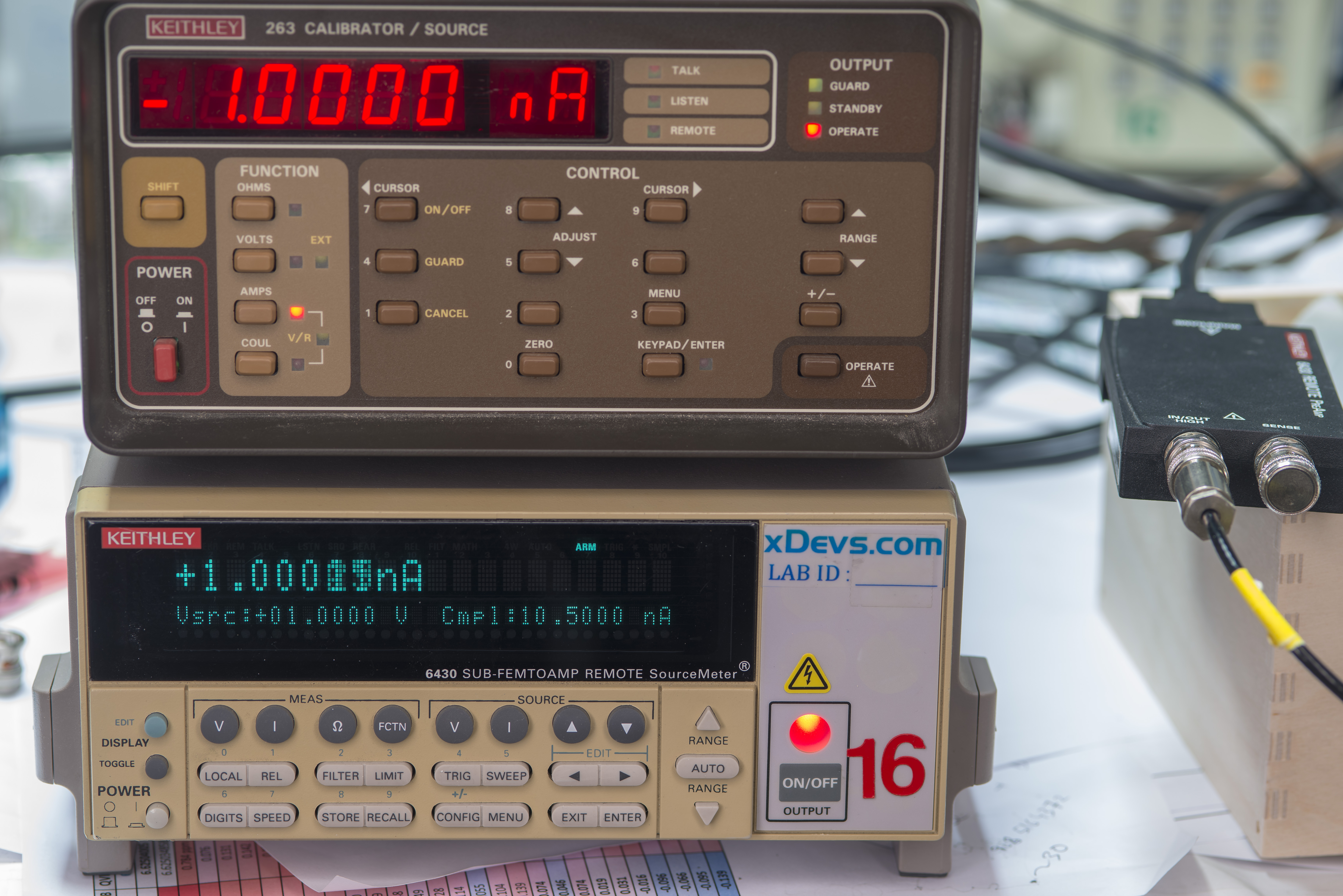
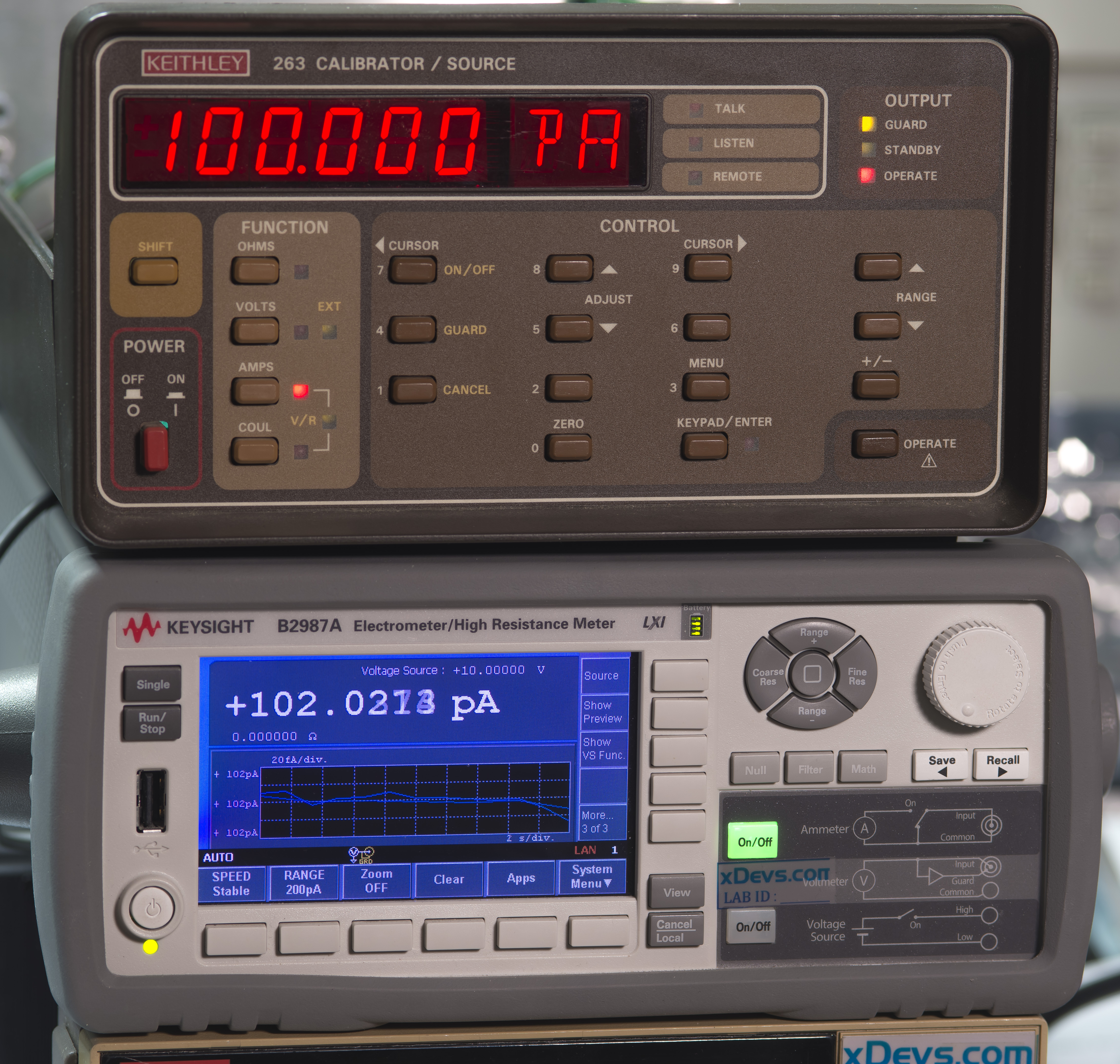
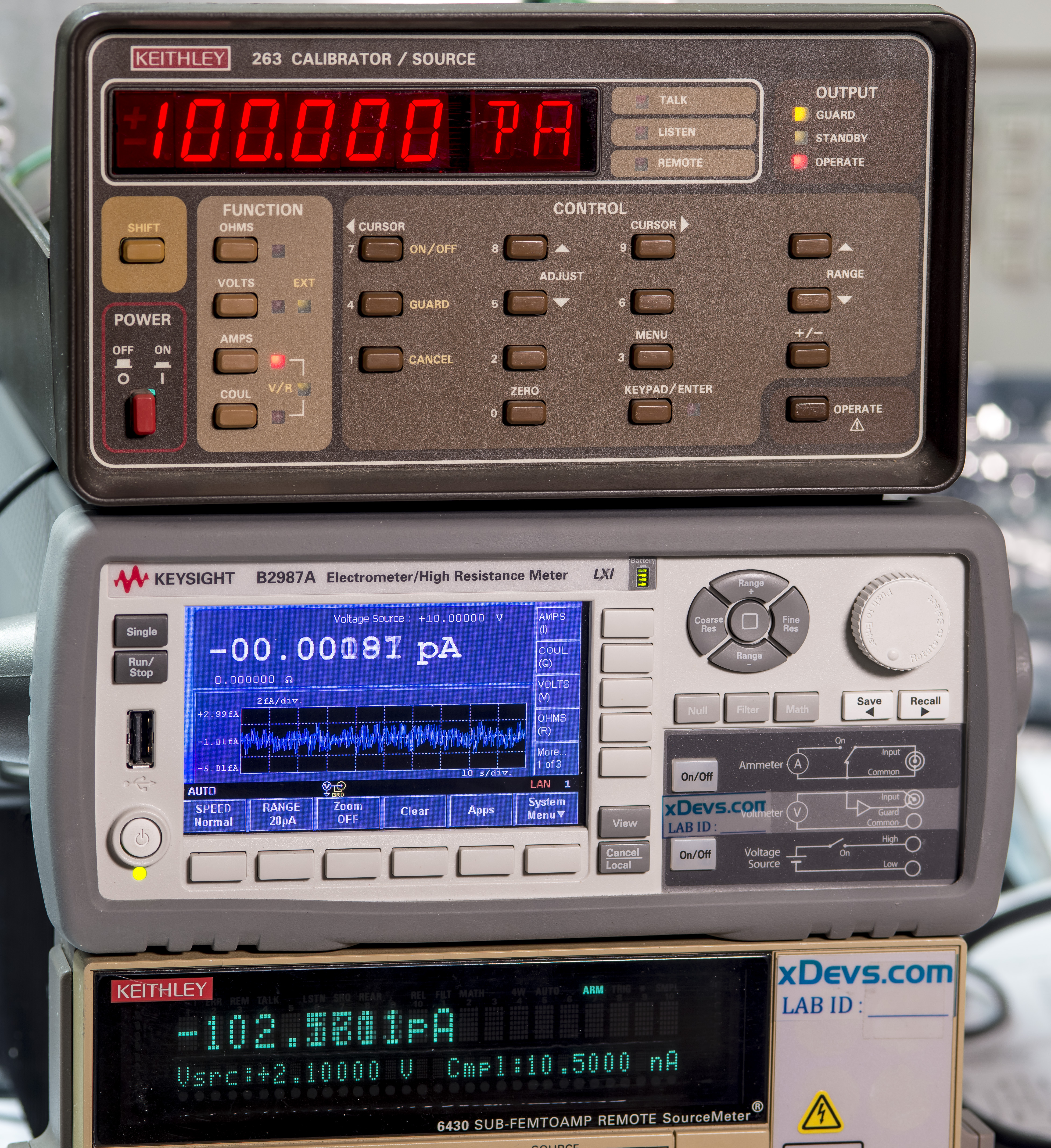
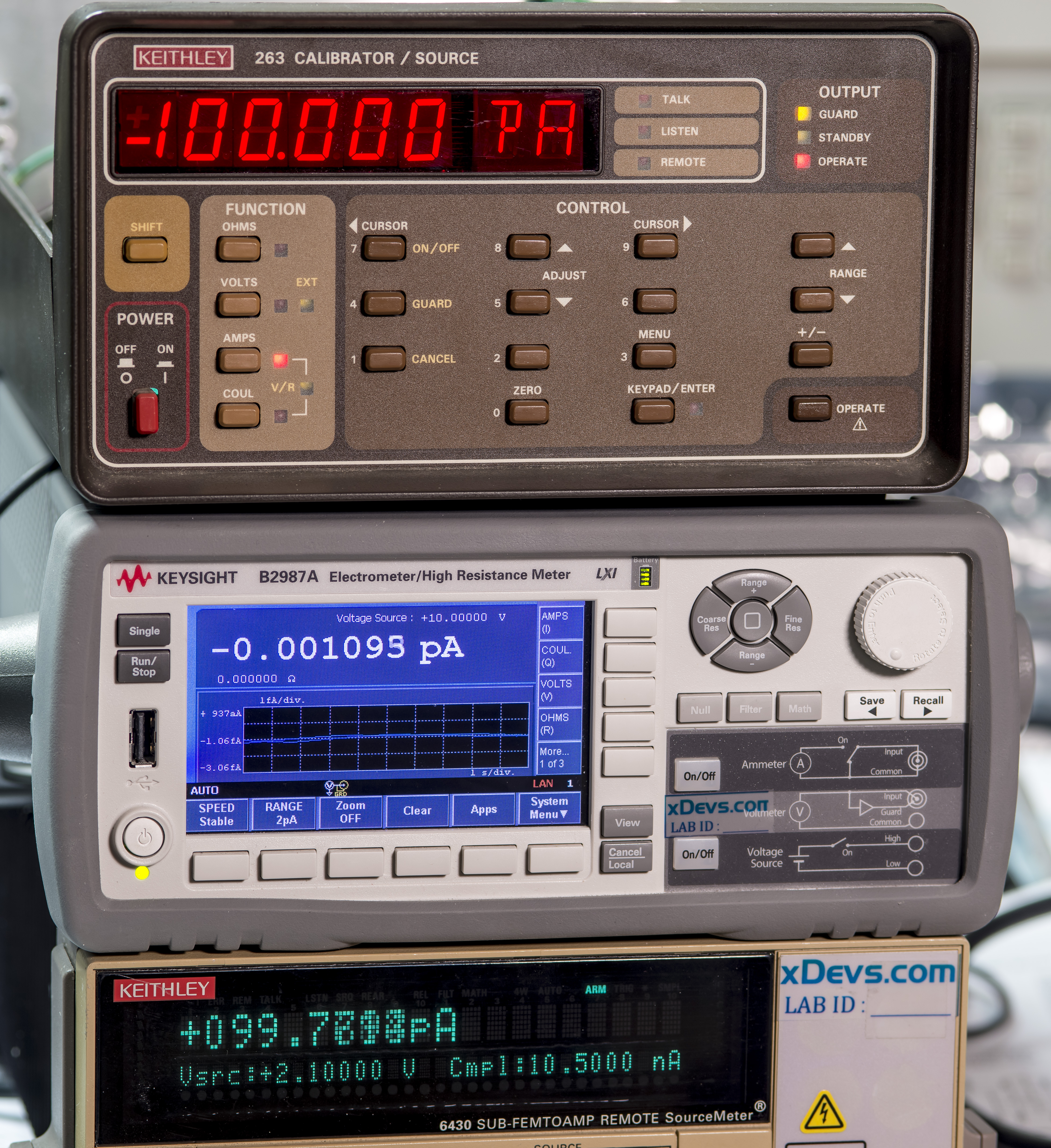
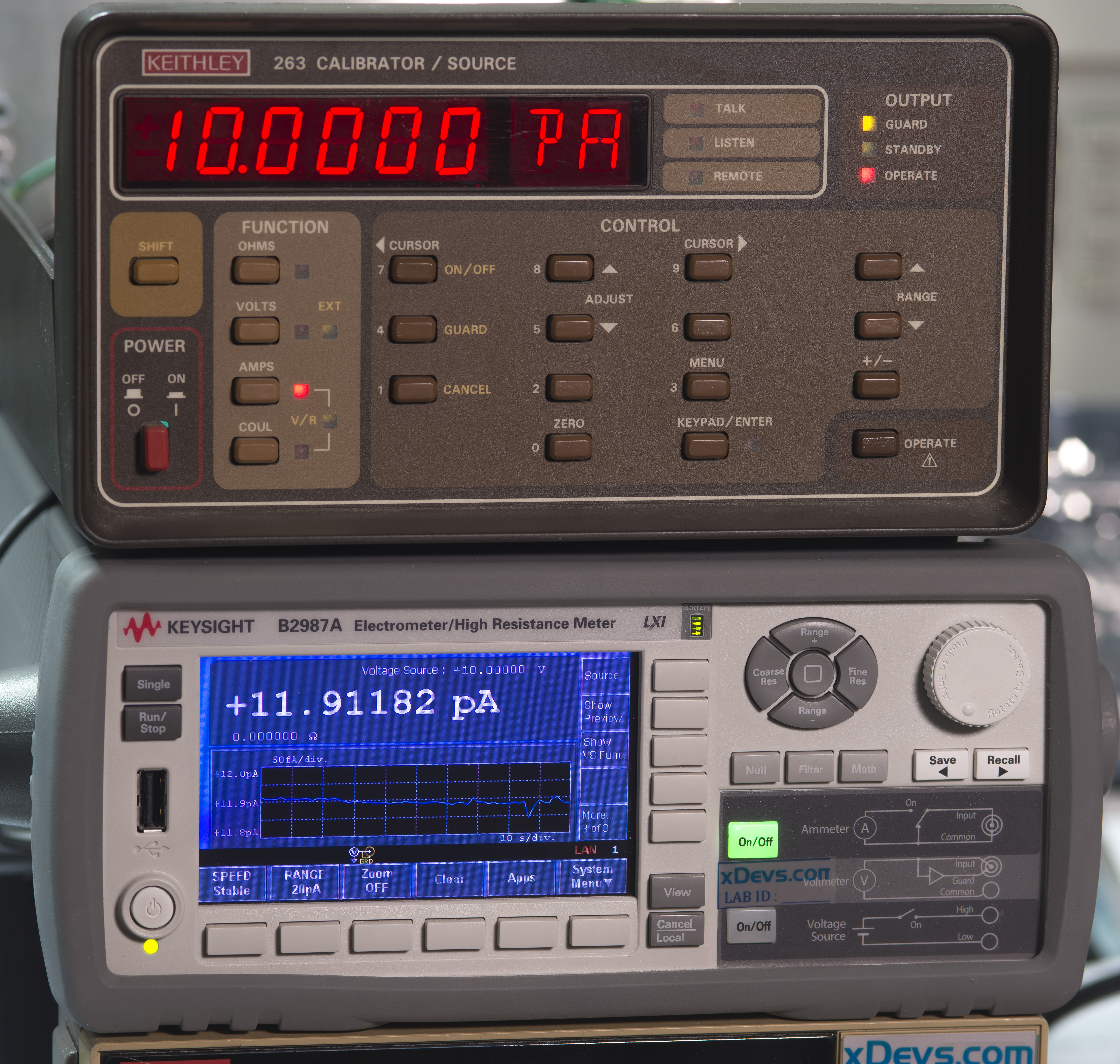
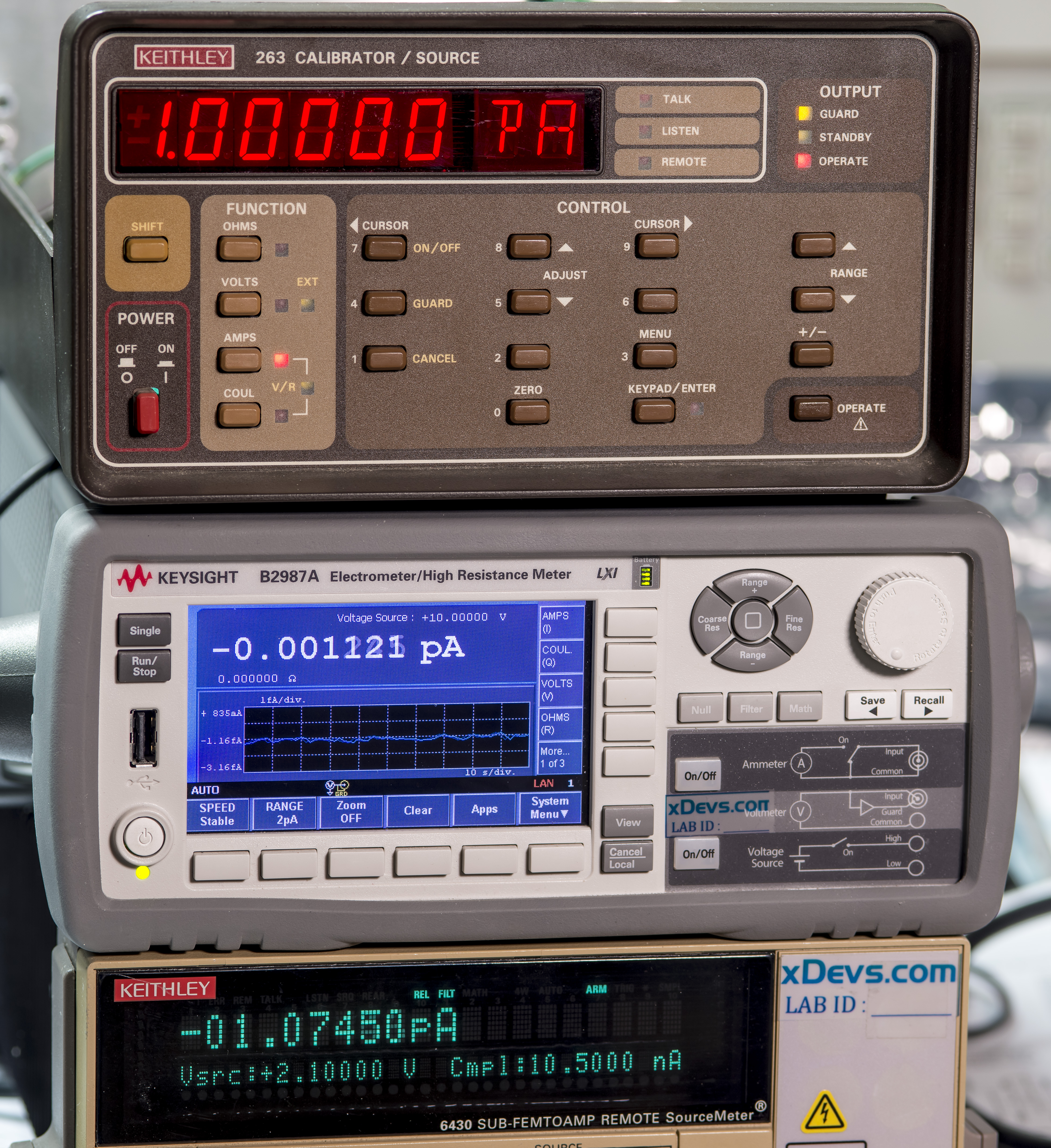
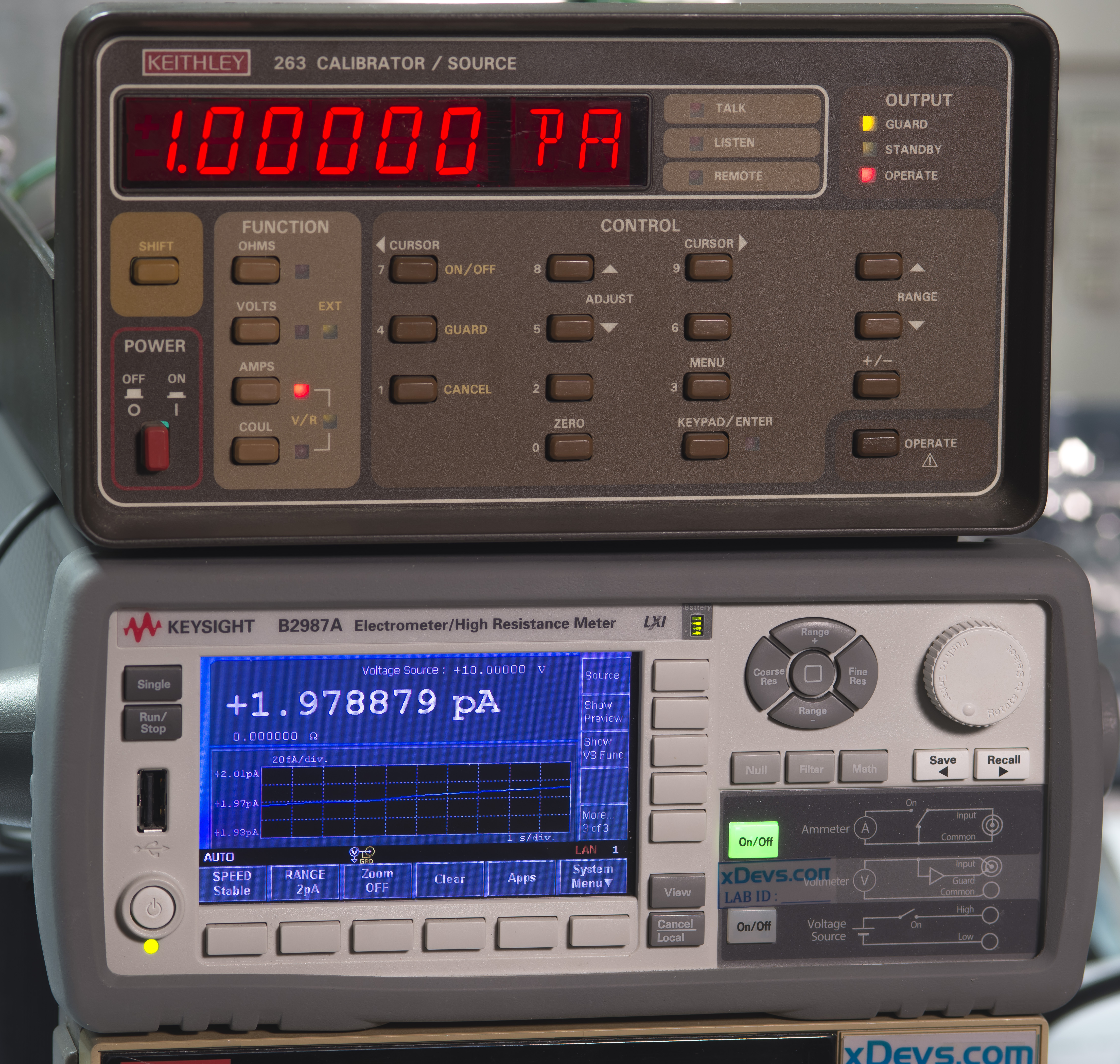
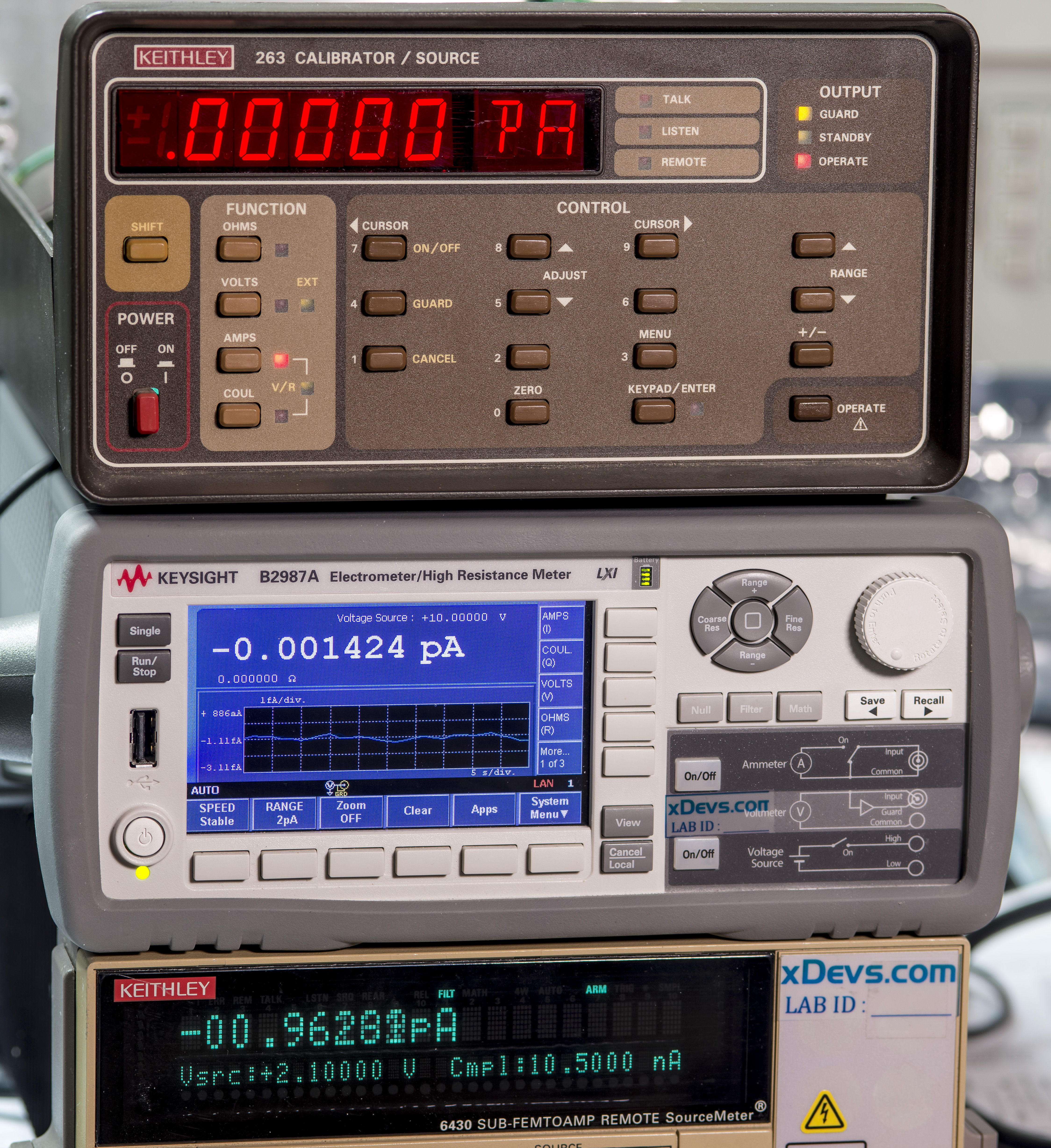
Now let’s repeat the calibration tests after the repair. First set of tests are just manual with entry from front panel, to check that everything works as expected.
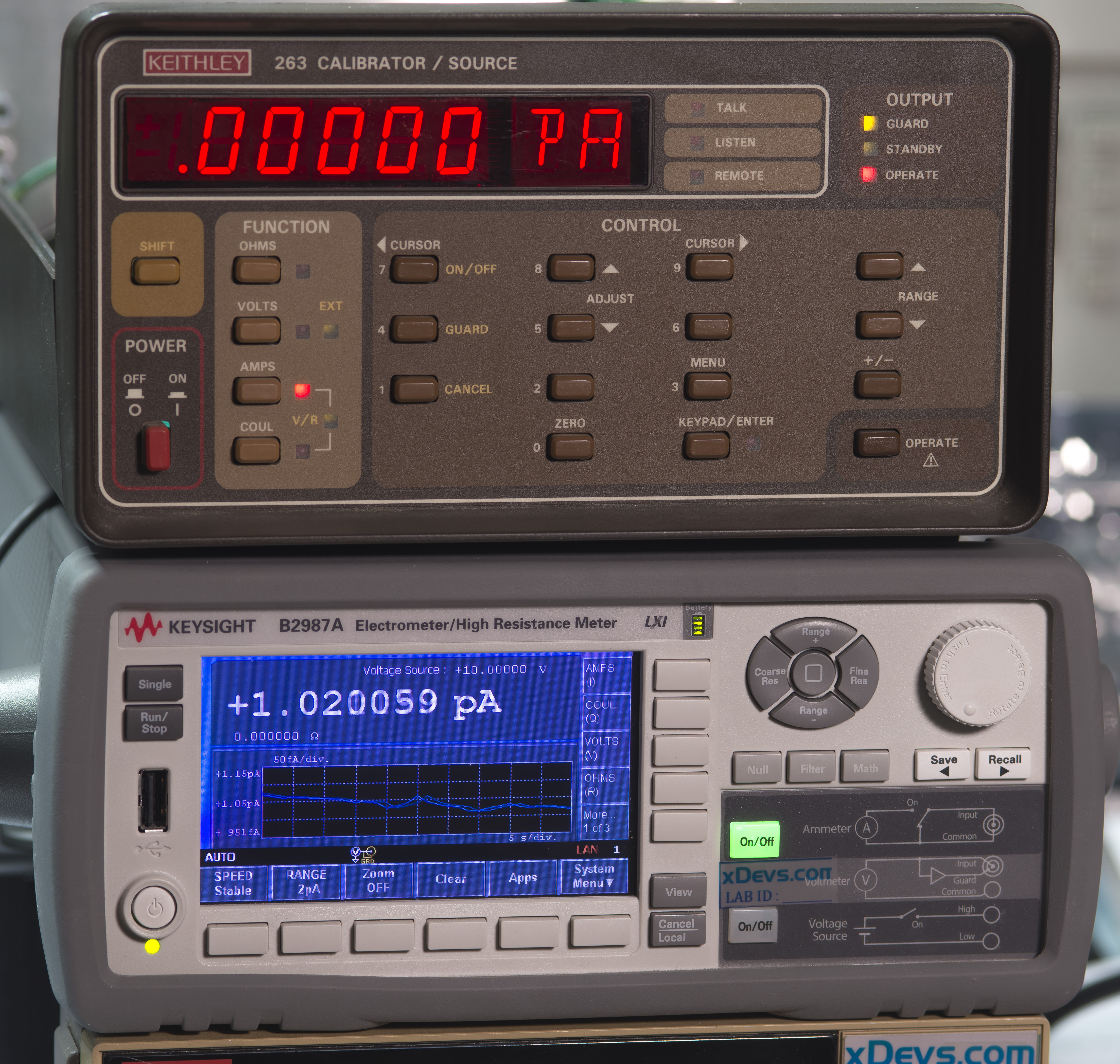
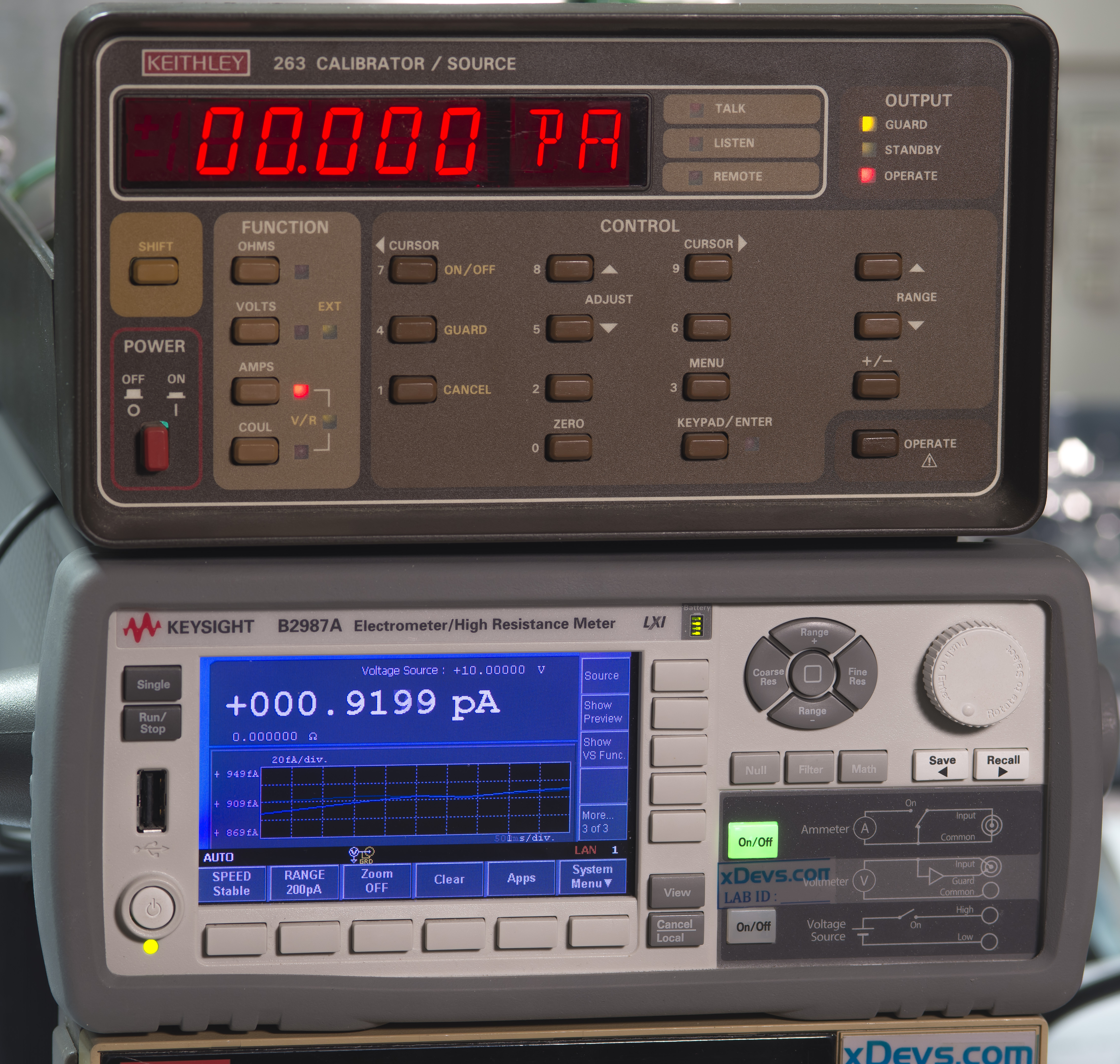
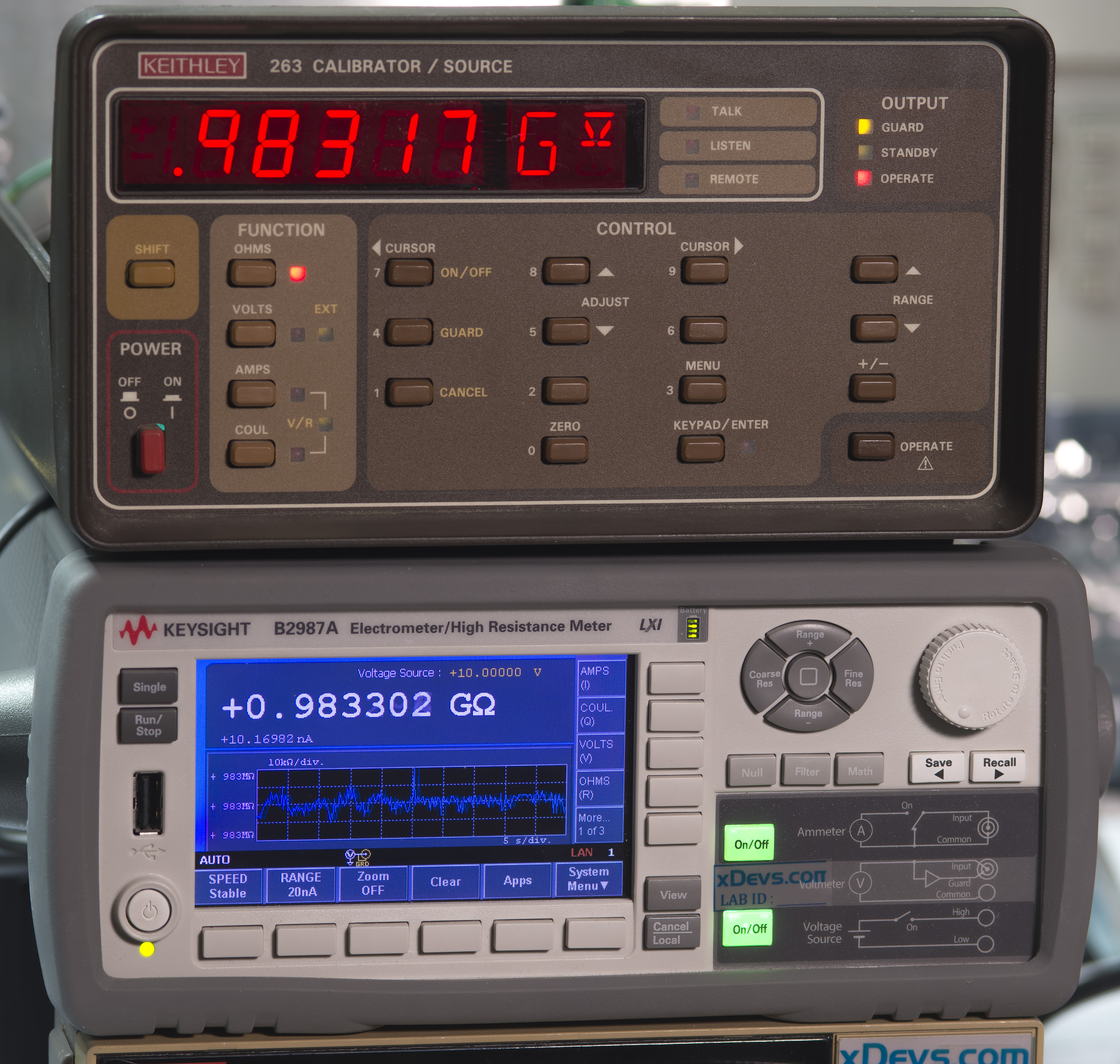
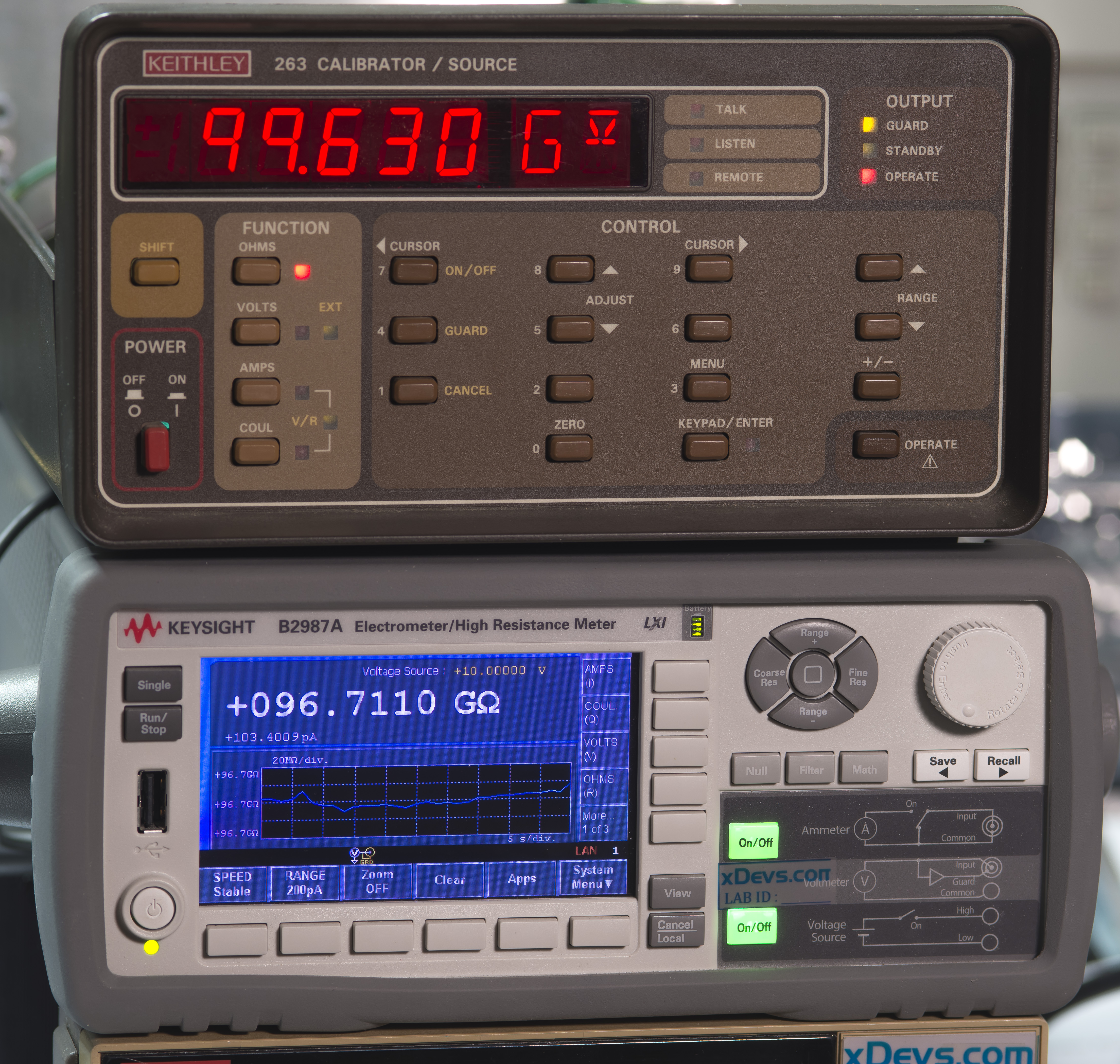
No problem anymore with 100 GΩ resistance output range, which reads the correct looking value.. Interesting observation – K263 output resistance stays at 100 GΩ even when output is configured in standby and not active. Not sure if that is normal behaviour or not for 263.
Summary
The author would like to express our appreciation to owner of the insturment for this opportunity to look inside of 263 and learn it’s features. Discussion is also very welcome via our own IRC chat server: xdevs.com (port 4808, channel: #xDevs.com). If you have information and interesting ideas on low current measurements or experiments not mentioned or listed in this article, feel free to provide them and xDevs will test and we might add them with next article update.
Projects like this are born from passion and a desire to share how things work. Education is the foundation of a healthy society - especially important in today's volatile world. xDevs began as a personal project notepad in Kherson, Ukraine back in 2008 and has grown with support of passionate readers just like you. There are no (and never will be) any ads, sponsors or shareholders behind xDevs.com, just a commitment to inspire and help learning. If you are in a position to help others like us, please consider supporting xDevs.com’s home-country Ukraine in its defense of freedom to speak, freedom to live in peace and freedom to choose their way. You can use official site to support Ukraine – United24 or Help99. Every cent counts.
Modified: Oct. 14, 2025, 11:34 p.m.